
Steroid & NSAID Ulcer Risk Calculator
Assess Your Gastric Ulcer Risk
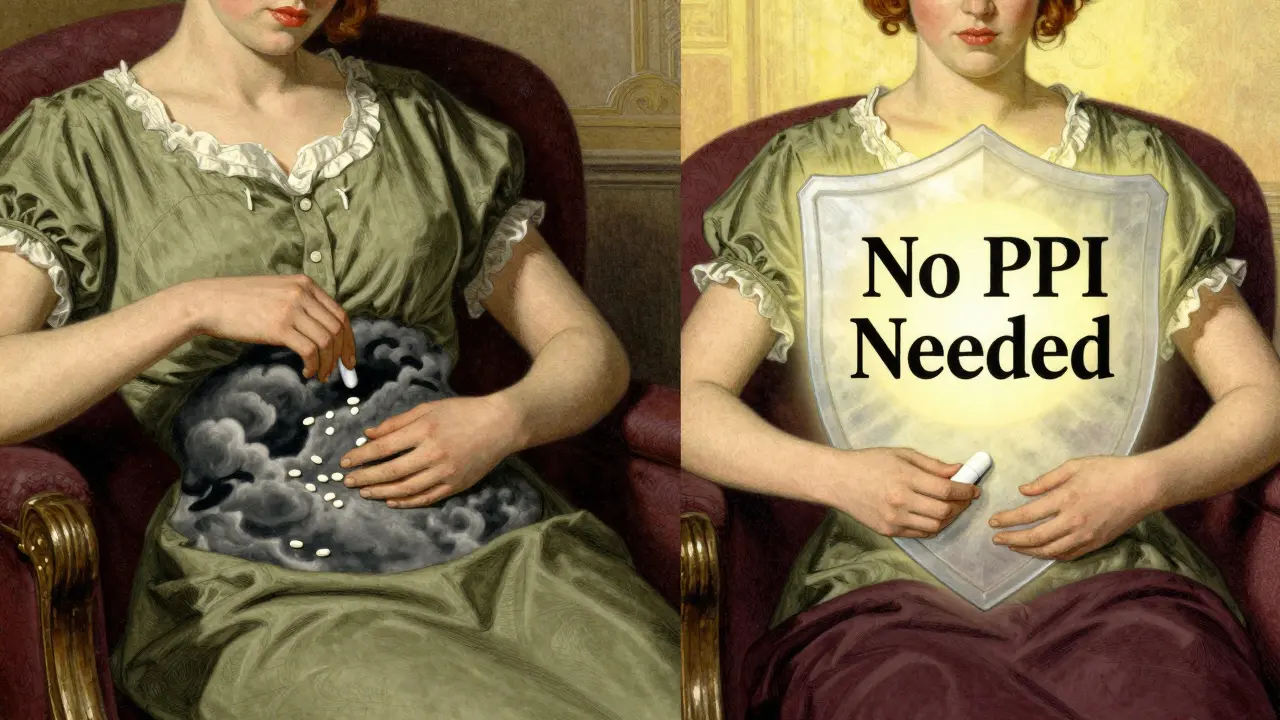
Based on evidence from Johns Hopkins and University of Wisconsin studies, PPIs are only needed for specific high-risk scenarios when taking corticosteroids.
For years, doctors have been told to give proton pump inhibitors (PPIs) to anyone on corticosteroids - just in case. It became routine. But what if that habit is doing more harm than good? The truth is, corticosteroids alone don’t reliably cause gastric ulcers. Yet, many patients still get PPIs they don’t need, adding cost, confusion, and potential side effects to their treatment. The real risk isn’t the steroid itself - it’s what you take with it.
Why the confusion exists
Corticosteroids like prednisone have been used since the 1950s. They’re powerful. They reduce inflammation, suppress immune responses, and save lives in conditions like rheumatoid arthritis, lupus, and severe asthma. But they’ve also been blamed for stomach ulcers for decades. The idea was simple: steroids irritate the stomach lining. So, give a PPI to protect it. But here’s the problem: the data doesn’t back it up. A 2013 review in Allergy, Asthma & Clinical Immunology looked at dozens of studies and found no increased risk of peptic ulcer disease in people taking corticosteroids alone. Even at high doses - 60 mg of prednisone or more - the rate of ulcers stayed below 2%. That’s not zero. But it’s not high enough to justify giving every patient a daily acid blocker. What changed the conversation was a 2023 article in the Journal of Hospital Medicine called “Things We Do for No Reason™.” It pointed out that giving PPIs to patients on steroids alone is a classic example of over-treatment. No randomized trial has ever shown that it prevents ulcers in this group. Yet, a 2022 survey of hospitalists found that nearly 80% still prescribed them anyway - mostly out of habit, fear, or pressure from patients.The real danger: combining steroids with NSAIDs
The real story isn’t about steroids alone. It’s about what they’re paired with. When corticosteroids are taken with NSAIDs - like ibuprofen, naproxen, or even low-dose aspirin - the risk of bleeding or perforation jumps dramatically. One study of Medicaid patients found a 4.4-fold increase in ulcer complications when both drugs were used together. That’s not a small risk. That’s a red flag. Why? NSAIDs block protective prostaglandins in the stomach lining. Steroids slow down tissue repair. Together, they create a perfect storm: less protection, slower healing. The result? Ulcers form faster, bleed more, and heal slower. If you’re on a steroid and also taking an NSAID, you absolutely need gastroprotection. A PPI is the best choice here - proven, effective, and well-tolerated. Misoprostol works too, but it causes diarrhea and cramping in many people, so it’s not first-line.Who actually needs a PPI with steroids?
Not everyone. But some people do. Here’s who:- Patients taking both corticosteroids and NSAIDs
- Those with a history of peptic ulcer or GI bleeding
- People on anticoagulants like warfarin or apixaban
- Patients over 65 with multiple risk factors
- Hospitalized patients - especially those on high-dose steroids
Monitoring: What to watch for, and when
Even if you’re not on a PPI, you still need to monitor. Steroids don’t cause ulcers often - but when they do, they hide them. Steroids blunt inflammation. That means pain, the usual warning sign of an ulcer, might be absent. A patient could be bleeding internally with no stomach ache. That’s dangerous. Watch for these red flags:- Black, tarry stools (melena)
- Vomiting blood or coffee-ground material
- Unexplained fatigue or dizziness (signs of anemia from slow bleeding)
- Persistent upper abdominal pain that doesn’t go away
What about other side effects?
Steroids affect more than your stomach. That’s why monitoring isn’t just about ulcers.- Check blood sugar regularly. Steroids cause insulin resistance. Post-meal spikes are more common than fasting highs.
- Monitor blood pressure. Fluid retention and sodium retention can push it up.
- Watch for mood changes, insomnia, or weight gain. These are common and often under-discussed.
- Assess bone density in long-term users. Steroids increase fracture risk.

The future: guidelines are catching up
The American College of Gastroenterology hasn’t issued specific rules for steroid-related ulcers. But they’re working on it. A 2025 guideline update is including a dedicated working group to review the evidence. Meanwhile, clinical trials are underway. One registered on ClinicalTrials.gov (NCT05214345) is tracking GI outcomes in patients on high-dose steroids with and without PPIs. Results are due in late 2024. They could finally settle the debate. For now, the best approach is simple: don’t give PPIs just because someone is on steroids. Give them only if there’s a clear reason - NSAID use, prior bleeding, or other high-risk factors.What patients should ask their doctor
If you’re prescribed a PPI with your steroid, ask:- “Am I at real risk for an ulcer?”
- “Am I taking an NSAID or aspirin?”
- “Have I had a stomach ulcer before?”
- “Is this PPI really necessary, or is it just habit?”
Bottom line
Corticosteroids aren’t the villain they’re made out to be when it comes to stomach ulcers. The real threat is the combo with NSAIDs. Routine PPIs for steroid-only patients are unnecessary, costly, and potentially harmful. The data supports a smarter, more targeted approach: screen for risk factors, treat only when needed, and monitor for symptoms - not just pills. The medical community is slowly waking up. Hospitals are cutting back. Guidelines are being updated. It’s time for every prescriber - and every patient - to stop doing things for no reason.Do corticosteroids cause gastric ulcers on their own?
No, not reliably. Multiple large studies, including a 2013 meta-analysis and a 2014 review of over a million patients, show no significant increase in peptic ulcer disease from corticosteroid monotherapy. The risk is very low - around 0.4% to 1.8% - and doesn’t justify routine preventive treatment with PPIs.
When should I take a PPI with corticosteroids?
Only if you’re also taking NSAIDs (like ibuprofen or naproxen), have a history of ulcers or GI bleeding, are on anticoagulants, or are hospitalized. The combination of steroids and NSAIDs increases ulcer risk by more than four times. In those cases, a PPI is strongly recommended.
Can I stop my PPI if I’m only on steroids?
Yes - if you’re not taking NSAIDs, have no prior GI bleeding, and aren’t hospitalized. Several hospitals have successfully stopped routine PPIs for steroid-only patients without increasing complications. Always discuss this with your doctor before stopping any medication.
What symptoms should I watch for while on steroids?
Watch for black or tarry stools, vomiting blood, unexplained fatigue, dizziness, or persistent upper abdominal pain. Steroids can mask pain, so bleeding might happen without warning. If you notice any of these, contact your doctor immediately - don’t wait.
Are there alternatives to PPIs for protecting the stomach?
Misoprostol is an alternative, but it often causes diarrhea and cramps, so it’s less preferred. The best protection is avoiding NSAIDs and managing other risk factors like H. pylori infection. For most people on steroids alone, no medication is needed - just awareness and monitoring.





Erika Putri Aldana
December 21 2025PPIs for steroids? Lol. My grandma takes prednisone and a PPI like it's candy. She's fine, but also has the digestive system of a wet paper towel. 😅