Warfarin OTC Safety Checker
Select the symptom you want to treat OR search for a specific ingredient below. This tool provides general guidance based on current medical literature, but always confirm with your pharmacist or doctor.
Ready to Check
Select a symptom or ingredient from the left panel to view safety details.
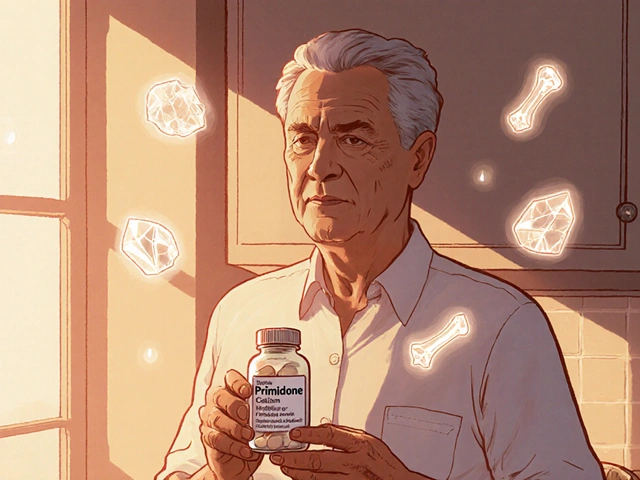
You're running a fever, your head is pounding, and you grab the first box of cold relief from the shelf. If you take Warfarin (often known as Coumadin), that simple act could send your INR skyrocketing or plummeting within days. Warfarin is a vitamin K antagonist anticoagulant used to prevent clots in conditions like atrial fibrillation or deep vein thrombosis. Because it has such a narrow therapeutic window, even common over-the-counter (OTC) ingredients can tip the balance between protection and dangerous bleeding.
The stakes are high. Research indicates that major bleeding events increase by 2.3-fold when warfarin is combined with certain OTC products. For the millions of people managing this medication chronically, knowing what’s safe during cold and flu season isn't just helpful-it's essential for staying out of the hospital.
Why Warfarin Makes OTC Meds Risky
Warfarin works by inhibiting an enzyme called VKORC1, which stops your body from making clotting factors. To keep you safe, doctors monitor your blood's clotting time using the International Normalized Ratio, or INR. For most patients, the target range is 2.0 to 3.0. If your INR goes too high, you bleed easily; if it drops too low, you risk forming a clot.
The problem is that many OTC cold medicines contain ingredients that either boost warfarin's effect (raising INR) or compete with it (lowering INR). Unlike prescription drugs, OTC products aren't always reviewed by your doctor before you buy them. This gap creates a perfect storm for accidental interactions. According to data from the American College of Chest Physicians, OTC medications account for nearly 18% of adverse events in warfarin patients. The key takeaway? Treat every new pill, powder, or spray as potentially dangerous until you've checked it against your specific regimen.
The Dangerous Ingredients to Avoid
Not all cold remedies are created equal. Some ingredients are red flags that should stop you in your tracks. Here are the big ones:
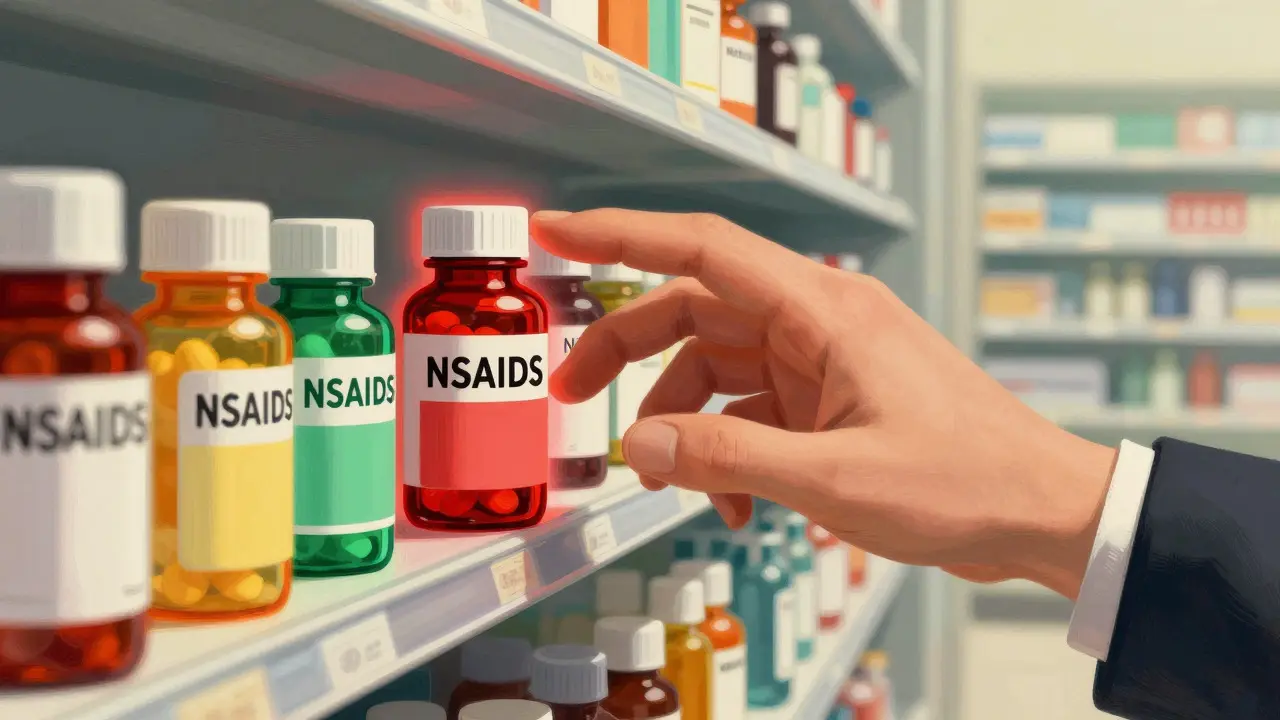
- NSAIDs (Non-Steroidal Anti-Inflammatory Drugs): This group includes ibuprofen (Advil, Motrin), naproxen (Aleve), and aspirin (Bayer, Excedrin). These drugs don't just affect your INR; they also damage the stomach lining and inhibit platelet function. When combined with warfarin, the risk of gastrointestinal bleeding increases by 4.5-fold. Even "aspirin-free" headache pills containing magnesium salicylate can impair platelets and cause issues.
- High-Dose Acetaminophen: While often recommended as a safer alternative, acetaminophen (Tylenol, Paracetamol) becomes risky at high doses. The NHS suggests keeping daily intake under 2,000 mg. Exceeding this limit for more than three consecutive days can impair platelet function and raise bleeding risk.
- Certain Supplements: St. John's Wort can reduce warfarin efficacy by 30-50%, while Ginkgo Biloba and high-dose fish oil supplements can increase bleeding risk by more than double. Always check herbal supplements, as they are not regulated like pharmaceuticals.
A 2021 FDA Drug Safety Communication highlighted that 42% of warfarin-related emergency department visits involved concomitant use of NSAIDs. This statistic underscores why reading labels carefully is non-negotiable.
Safe Alternatives for Cold Symptoms
So, how do you treat a nasty cold without endangering your health? There are plenty of safe options if you know what to look for. Your goal is to manage symptoms without touching your INR.
| Symptom | Dangerous Ingredient | Safe Alternative | Key Limitation/Note |
|---|---|---|---|
| Pain/Fever | Ibuprofen, Naproxen, Aspirin | Acetaminophen (Paracetamol) | Max 2,000 mg/day; avoid >3 days consecutively |
| Nasal Congestion | None significant | Pseudoephedrine, Phenylephrine | Monitor blood pressure if hypertensive |
| Cough (Dry) | Quinidine-containing combos | Dextromethorphan (standard dose) | Avoid products with quinidine |
| Cough (Wet) | None significant | Guaifenesin | Drink plenty of water |
| Allergy/Sinus | Cimetidine | Cetirizine, Loratadine, Diphenhydramine | First-gen antihistamines may cause drowsiness |
For congestion, decongestants like pseudoephedrine (Sudafed) are generally considered safe at standard doses. For coughs, guaifenesin (found in Robitussin) is an expectorant that helps thin mucus without interacting significantly with warfarin. Antihistamines like cetirizine (Zyrtec) or loratadine (Claritin) are good choices for runny noses or sinus pressure. Just be mindful that older antihistamines like diphenhydramine (Benadryl) can make you drowsy, which might compound any fatigue from the illness itself.
How to Read Labels Like a Pro
Most dangerous interactions happen through multi-symptom products. You think you're buying a "cold and flu" remedy, but inside, there's a hidden dose of ibuprofen or aspirin. To stay safe, follow this two-step label check:
- Check Active Ingredients: Look for the words "Active Ingredients" on the back panel. Scan for ibuprofen, naproxen, aspirin, or acetylsalicylic acid. If you see them, put the box back.
- Check Warnings: Since 2022, the FDA has required OTC products containing NSAIDs to display a bold warning: "WARNING: Do not use if taking blood thinners." If you don't see this warning, it doesn't mean the product is safe-just that it might not contain NSAIDs. Always verify the active ingredients list.
Keep a personal "Medication Safety Card" in your wallet or phone. List your approved OTC options. Many anticoagulation clinics provide these cards, and studies show that patients who use them have up to 63% fewer adverse events. It’s a simple tool that prevents costly mistakes.
When to Call Your Doctor
Even with the best precautions, accidents happen. You might accidentally take a pill meant for a family member, or a pharmacist might dispense a combination drug without realizing you're on warfarin. Here’s how to handle it:
- Mild Bleeding: Small bruises or slight nosebleeds are common, but if they persist for more than 10 minutes, call your anticoagulation clinic.
- Signs of High INR: Unusual bruising, pink or dark urine, black tarry stools, or vomiting blood indicate serious bleeding. Seek immediate medical attention.
- Signs of Low INR: Swelling in a leg (DVT) or shortness of breath (PE) suggest a clot. Go to the ER.
Don't wait for your next scheduled INR test if you suspect an interaction. A quick phone call to your healthcare provider can save you a trip to the emergency room. They may ask you to come in for an early blood test or adjust your dose temporarily.

Emerging Tools and Future Trends
Technology is starting to help close the gap in patient education. In 2024, the FDA issued draft guidance encouraging digital interaction checkers at pharmacy point-of-sale systems. Early pilots showed an 89% reduction in warfarin-NSAID dispensing errors. Apps like "Warfarin Watch" now allow users to scan OTC barcodes to instantly check for interactions, with accuracy rates exceeding 90%.
There’s also growing interest in pharmacogenetic testing. By analyzing genes like CYP2C9 and VKORC1, doctors can predict how strongly you’ll react to certain medications. A 2023 study found that genetically guided dosing led to 37% fewer INR fluctuations during cold season. While only 18% of patients currently access this due to insurance limits, it represents the future of personalized anticoagulation care.
Until these tools become universal, the most effective intervention remains knowledge. Patient education programs have reduced OTC-related complications from 14.2 to 5.3 per 100 patient-years across multiple clinics. You don’t need to be a pharmacist to protect yourself-you just need to be vigilant.
Frequently Asked Questions
Can I take Tylenol (acetaminophen) while on warfarin?
Yes, but with limits. Keep your daily dose below 2,000 mg and avoid taking it for more than three consecutive days. Higher doses can impair platelet function and increase bleeding risk. Always inform your doctor if you plan to use it regularly.
Are all cold and flu capsules dangerous for warfarin users?
No, but many are. Multi-symptom products often hide NSAIDs like ibuprofen or aspirin. Check the active ingredient list carefully. Single-ingredient products like plain guaifenesin or pseudoephedrine are generally safer choices.
What should I do if I accidentally took an NSAID?
Call your anticoagulation clinic immediately. Don't panic, but don't ignore it either. They may schedule an early INR test to monitor your levels. Avoid taking any more NSAIDs until you've spoken with a professional.
Is St. John's Wort safe with warfarin?
Generally, no. St. John's Wort can induce liver enzymes that break down warfarin faster, reducing its effectiveness by 30-50%. This can lead to dangerously low INR levels and increased clot risk. Consult your doctor before using any herbal supplements.
Do I need to change my diet when taking OTC cold meds?
Your regular vitamin K intake should remain consistent, as usual. However, some OTC supplements contain added vitamins or minerals that might interact. Stick to your normal diet and avoid starting new multivitamins or high-dose supplements without checking with your pharmacist.