Have you ever found a bottle of painkillers in your cabinet that expired two years ago? You’re not alone. Most of us toss out expired over-the-counter (OTC) medications without a second thought, driven by fear and official warnings. But what if I told you that for many common drugs, that expiration date is more of a manufacturer’s guarantee than a hard deadline for safety?
The truth about OTC medication expiration dates is labels indicating the final day manufacturers guarantee full potency and safety based on stability testing is complicated. While regulatory bodies like the U.S. Food and Drug Administration (FDA) advise against using expired drugs, scientific evidence suggests that many solid formulations remain stable and effective long after the printed date. Understanding the difference between what matters and what doesn’t can save you money, reduce waste, and keep your medicine cabinet practical rather than wasteful.
The Origin of Expiration Dates: Guarantee vs. Reality
To understand why we trust these dates so blindly, we have to look at where they come from. The current system stems from the 1979 Drug Quality Assurance Act, which mandated that pharmaceutical manufacturers establish expiration dates based on stability testing data. Under FDA regulations (21 CFR 211.166), companies must prove their product retains its strength, quality, and purity until that specific date.
Here is the catch: the expiration date represents the last day the manufacturer guarantees 100% potency. It does not necessarily mean the drug turns into poison the next day. In fact, most OTC products are given conservative shelf lives ranging from one to five years from the date of manufacture. This buffer protects companies from liability and accounts for worst-case storage scenarios, not just ideal conditions.
Consider this: if a tablet has 95% potency on its expiration date, it might still be fully therapeutic six months later. The label doesn't change; the chemistry does. This distinction is crucial when deciding whether to use an old bottle of ibuprofen or throw it away.
Solid vs. Liquid: The Stability Divide
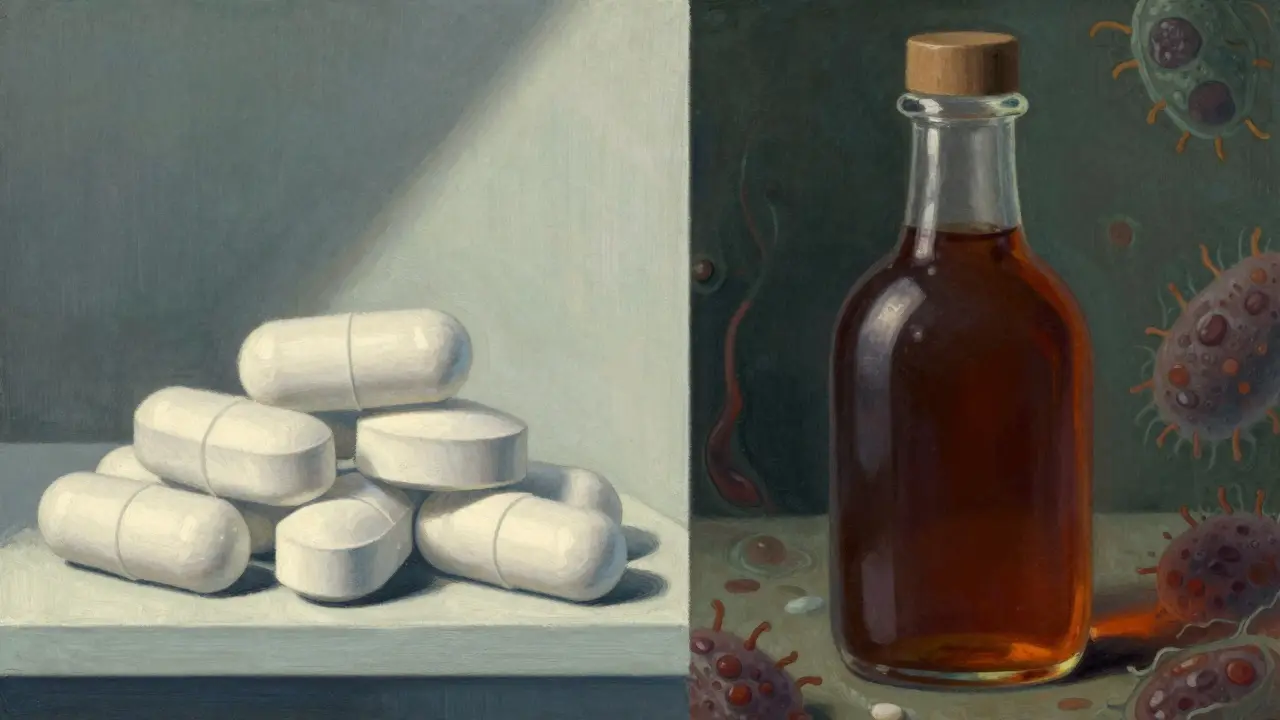
Not all medications degrade at the same rate. The form of the medication plays a massive role in how long it remains safe and effective. Generally, solid dosage forms-like tablets and capsules-are far more stable than liquids.
Solid oral formulations are tablets and capsules that demonstrate high chemical stability and retain potency for years past expiration when stored properly. Research from the FDA's Shelf Life Extension Program (SLEP), originally designed for military stockpiles, tested 122 drugs. They found that 90% of them maintained efficacy for an average of 5.5 years beyond their expiration dates. Some even lasted up to 15 years. Common OTC solids like acetaminophen and antihistamines often fall into this robust category.
Liquids, however, tell a different story. Syrups, suspensions, and eye drops are susceptible to bacterial contamination and chemical breakdown much faster. Once opened, liquid antibiotics can harbor bacteria within 30 days of expiration. Eye drops show a 67% contamination rate just 60 days post-expiration. If your liquid medication looks cloudy, smells off, or has changed color, discard it immediately. The risk here isn't just reduced effectiveness-it's infection.
| Medication Type | Average Stability Past Expiry | Risk Level | Key Concern |
|---|---|---|---|
| Solid Tablets/Capsules | 1-15 years | Low | Potency loss (gradual) |
| Liquid Suspensions/Syrups | Days to weeks | High | Bacterial growth |
| Eye Drops | Less than 1 month | Very High | Contamination/Infection |
| Topical Creams/Ointments | 6-12 months | Moderate | Separation/Degradation |
High-Risk Medications: When the Date Matters Most
While you might get away with using expired Tylenol, some medications demand strict adherence to expiration dates. These are typically drugs used for life-threatening conditions or those with narrow therapeutic windows.
Nitroglycerin is a critical cardiac medication that loses 40-50% potency within 6 months of expiration, posing severe risks during heart events. A study in the American Journal of Cardiology showed that expired nitroglycerin had a 34% treatment failure rate during cardiac emergencies. Relying on an expired dose could be fatal.
Similarly, Insulin is a hormone therapy that degrades 10-15% monthly after opening, leading to dangerous blood sugar fluctuations. Expired insulin is linked to 18% of emergency department visits for diabetic ketoacidosis. Precision matters here; a slight drop in potency can lead to severe health complications.
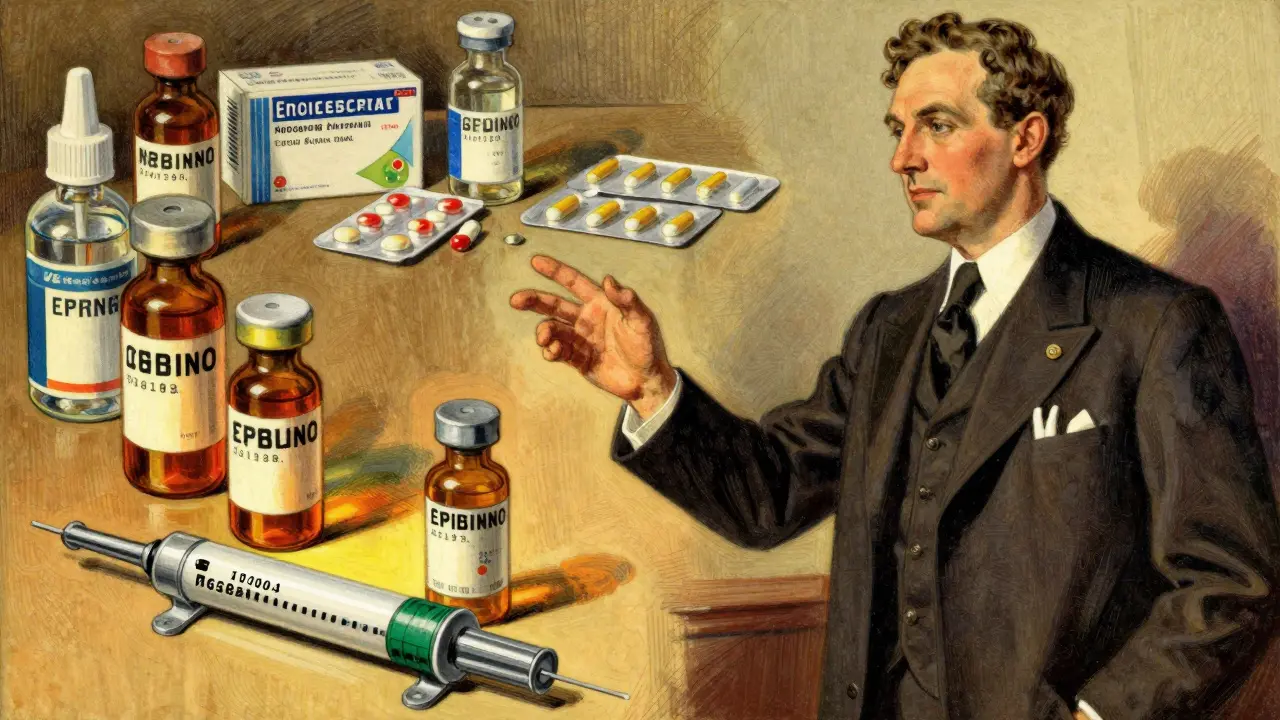
Epinephrine auto-injectors (like EpiPens) also require fresh supplies. Research indicates they show 25-50% reduced bioavailability one to ninety months post-expiration. In an allergic reaction, every milligram counts. Do not gamble with these three categories: always check the date, and replace them promptly.
Storage Conditions: The Hidden Variable
An expiration date assumes ideal storage conditions. But what is "ideal"? For most medications, it means a cool, dry place below 77°F (25°C) with humidity under 60%. Unfortunately, most of us store our meds in bathroom cabinets. Bathrooms are hot, humid environments due to showers and baths. This accelerates degradation significantly.
If you’ve been keeping your aspirin in the bathroom, it may have lost potency well before the printed date. Conversely, if you store solid pills in a dark, dry drawer in your bedroom, they likely retained their strength longer than expected. Heat, light, and moisture are the enemies of chemical stability. Always check the label for specific storage instructions, but generally, avoid kitchens and bathrooms.
Signs of Degradation: Trust Your Senses
Before tossing out an expired solid medication, inspect it. Visual and olfactory cues can tell you a lot. If pills are discolored, crumble easily, or have developed a strange smell, discard them. These signs indicate chemical breakdown. However, if they look and smell normal, and were stored properly, they may still be effective.
For liquids, check for cloudiness, separation that doesn't mix back together, or unusual odors. If anything seems off, do not use it. The risk of bacterial growth or toxic byproducts outweighs any potential benefit.
Disposal and Environmental Impact
Throwing medications in the trash or flushing them down the toilet harms the environment. Active ingredients can leach into water supplies, affecting wildlife and potentially human health. Instead, use take-back programs. Many pharmacies, including Walgreens, offer disposal kiosks. The DEA hosts National Prescription Drug Take Back Days twice a year. Proper disposal ensures safety for both you and the planet.
Navigating Conflicting Advice
You’ll hear conflicting advice from experts. The FDA officially warns against using expired medicines, citing potential risks. Yet, their own SLEP data shows most drugs remain stable for years. Pharmacists often take a pragmatic approach, advising patients that most solid OTC meds are safe for 1-2 years past expiration if stored correctly. The key is context. Use common sense: for minor ailments like headaches or allergies, an expired solid pill is likely fine. For critical conditions, never compromise.
Is it safe to take expired OTC painkillers?
Generally, yes. Solid painkillers like acetaminophen and ibuprofen often retain 90%+ potency for years past expiration if stored in a cool, dry place. However, effectiveness may decrease slightly over time. If the pills look or smell normal, they are likely safe for occasional use.
What happens if you take expired medication?
Most people experience no adverse effects. The primary risk is reduced potency, meaning the medication might not work as well. In rare cases, especially with liquids or improperly stored drugs, chemical degradation could cause irritation or toxicity. Never take expired insulin, nitroglycerin, or epinephrine.
How should I store OTC medications to extend their life?
Store medications in a cool, dry place away from direct sunlight and humidity. Avoid bathrooms and kitchens. Keep them in their original containers with lids tightly closed. Ideal temperatures are between 59-77°F (15-25°C).
Can I use expired liquid antibiotics?
No. Liquid antibiotics are highly susceptible to bacterial growth and chemical degradation. They should be discarded shortly after expiration or according to the pharmacist's instructions upon opening. Using them can lead to ineffective treatment or infection.
Why do expiration dates vary so much between brands?
Manufacturers set expiration dates based on stability testing and legal liability concerns. Many choose conservative dates (2-3 years) regardless of actual stability to ensure guaranteed potency and protect against lawsuits. Packaging and formulation also influence shelf life.