
Missing a pill isn’t just a slip-up-it’s a health risk. Half of people with chronic conditions don’t take their meds as prescribed. That’s not laziness. It’s forgetfulness, confusion, or an alarm that doesn’t actually work. Setting up medication reminders that actually stick isn’t about buying the fanciest app. It’s about building a system that fits your life, not the other way around.
Why Most Medication Alarms Fail
You set an alarm. It goes off. You hit snooze. Later, you forget it even happened. Sound familiar? That’s because most reminders are too simple. They don’t adapt. They don’t check if you took the pill. They don’t talk to your pharmacy. And they definitely don’t care if you’re in a meeting, asleep, or just annoyed by another beep. Real failure comes from three things: wrong timing, wrong channel, and no backup. If your alarm goes off at 8 a.m. but you don’t wake up until 9, it’s useless. If it’s only a silent vibration and you’re hard of hearing, you’ll miss it. If there’s no one else who knows you missed your dose, no one steps in. The best systems don’t just remind you-they help you build a habit. And that means layering tools, not just one alarm.Choose the Right Tool for Your Life
Not all apps are made equal. Here’s what actually works, based on real user data and clinical studies.- Medisafe is the most popular for complex regimens. It uses AI to learn your patterns-if you keep snoozing your evening blood pressure pill, it suggests moving it to breakfast. It also sends SMS backups if your phone dies. Free version works fine; $30/year unlocks caregiver alerts and refill tracking.
- Mango Health links directly to 65,000 U.S. pharmacies. When your prescription runs low, it texts you: “Your metformin refill is ready at CVS. Pick up by Friday?” No more guessing. Free, no subscription.
- MedAdvisor is huge in Australia and New Zealand. If you get prescriptions from a pharmacy that uses it, your schedule auto-updates when your doctor changes your dose. Great if you’re not tech-savvy.
- Round Health only works on iPhone, but if you use Apple Health, it shows your meds alongside your heart rate and sleep. Perfect if you already track vitals.
- CareZone is the family manager. You can add your mom, dad, or sibling. They get alerts if you miss a dose. Ideal for caregivers.
Avoid apps that don’t let you verify you took the pill. If you just tap “taken,” you’re lying to yourself. The best apps make you take a photo of your pill bottle or scan the barcode. Stanford studies show this cuts false reports by 89%.
Set Up Alarms That Actually Get Heard
Don’t just pick a time. Think about your day.- If you take a pill with breakfast, set the alarm for 7:30 a.m., not 8 a.m. That gives you time to eat, not scramble.
- If you’re a light sleeper, use a loud, repeating alarm-not a gentle chime. Try the “Siren” tone on Android or “Radar” on iPhone.
- Enable both push notifications and SMS. Studies show 87% more people stick to their schedule when they get two types of alerts. If your phone is on silent, SMS still comes through.
- Turn off notifications during meetings or sleep. Good apps like Medisafe sync with your calendar. If you’re in a Zoom call at 2 p.m., it delays the reminder until after.
Set up a staggered escalation:
- First alert: Silent vibration at scheduled time.
- Second alert: Loud sound 15 minutes later.
- Third alert: Text to a caregiver 45 minutes after the first missed dose.
This is how Mayo Clinic reduced missed doses by 63%. No one gets bombarded. But no one gets forgotten either.
Link Your Meds to Your Pharmacy
One of the biggest reasons people miss doses? They run out. And they don’t know until it’s too late. If your pharmacy supports it (CVS, Walgreens, Rite Aid, and many others do), connect your app to them. Mango Health and MedAdvisor do this automatically. You’ll get a text: “Your lisinopril is ready. Pick up in 2 hours.” No pharmacy integration? Do this manually:- Write down your refill date on your calendar.
- Set a reminder 7 days before it runs out.
- Call your pharmacy every month to check stock.
Pro tip: Use barcode scanning. Instead of typing “Metformin 500mg,” scan the bottle. Apps like Medisafe reduce input errors by 83%. That’s huge if you take 6+ pills a day.
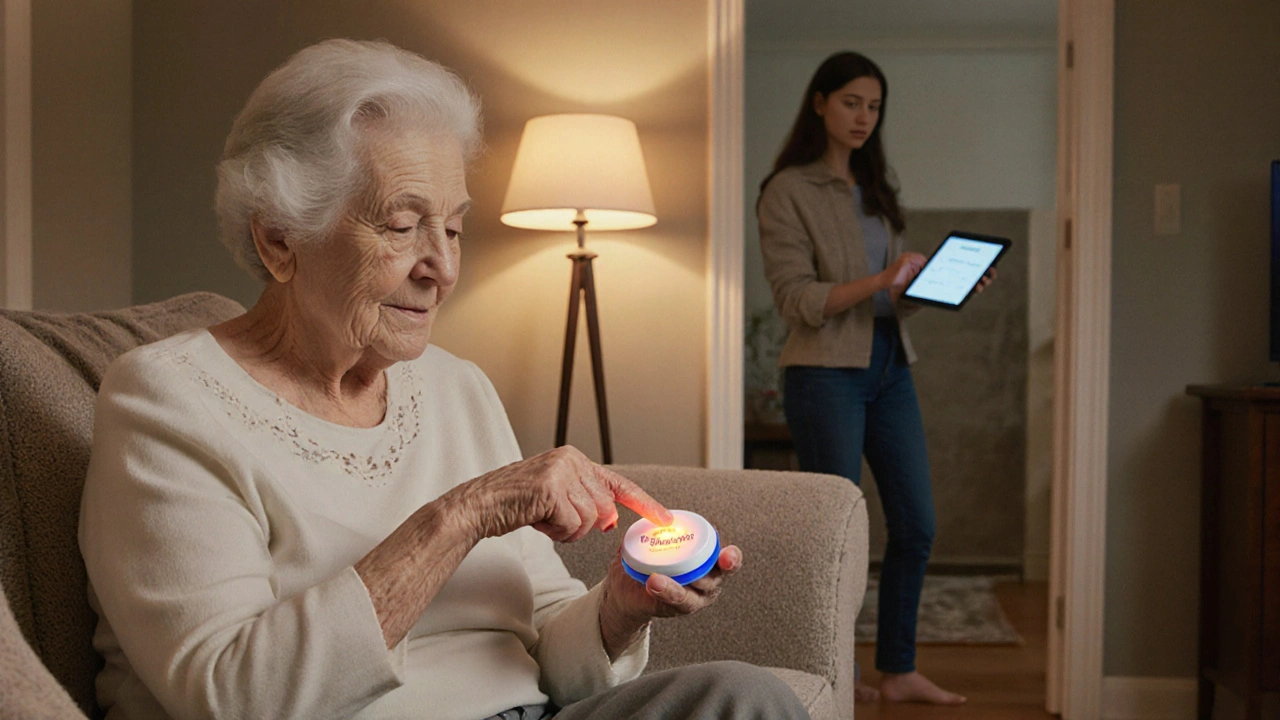
Use a Physical Backup-Even If You’re Tech-Savvy
Your phone dies. Your battery drains. You drop it in the toilet. It happens. Every serious medication user needs a physical backup. A simple pill organizer with alarms works wonders.- Hero Health Dispenser: $199/month. It dispenses pills automatically. If you miss a dose, it texts your caregiver. Works offline. No phone needed.
- MedMinder: $150 one-time fee. Rotating drum with audio alerts. Lights flash. Voice says, “It’s time for your pill.”
- Simple 7-day pill box: Buy one with a built-in alarm. No app. No subscription. Just a beeping box on your nightstand.
SeniorsGuide.com found users who used both a smartphone app and a physical pillbox had 82% adherence. Those using apps alone? Only 67%.
Don’t Fall for the Gamification Trap
Lots of apps give you badges, streaks, and points. “7-day streak! You’re a medication champ!” For people under 50? It works. 72% engage with it. For people over 65? 89% turn it off. They say it feels childish. Or distracting. Or like they’re being punished if they miss a day. Skip the games. Focus on what matters: reliability. A simple checkmark that says “Taken” is enough. No confetti. No fireworks.Set Up Caregiver Access-Before You Need It
This is the most overlooked step. You think you’ll remember. But what if you’re sick? What if you’re confused? What if you’re in the hospital? Most apps let you add a caregiver. Here’s how to do it right:- Give them view-only access first. Let them see your schedule.
- If they’re helping you manage, give them edit access to change times or add meds.
- For emergencies, give them override access. They can trigger an alert if you haven’t taken your insulin in 6 hours.
University of Michigan found that when caregivers were onboarded properly, adherence jumped 39%. Don’t wait for a crisis. Set it up now.
Fix the Common Mistakes
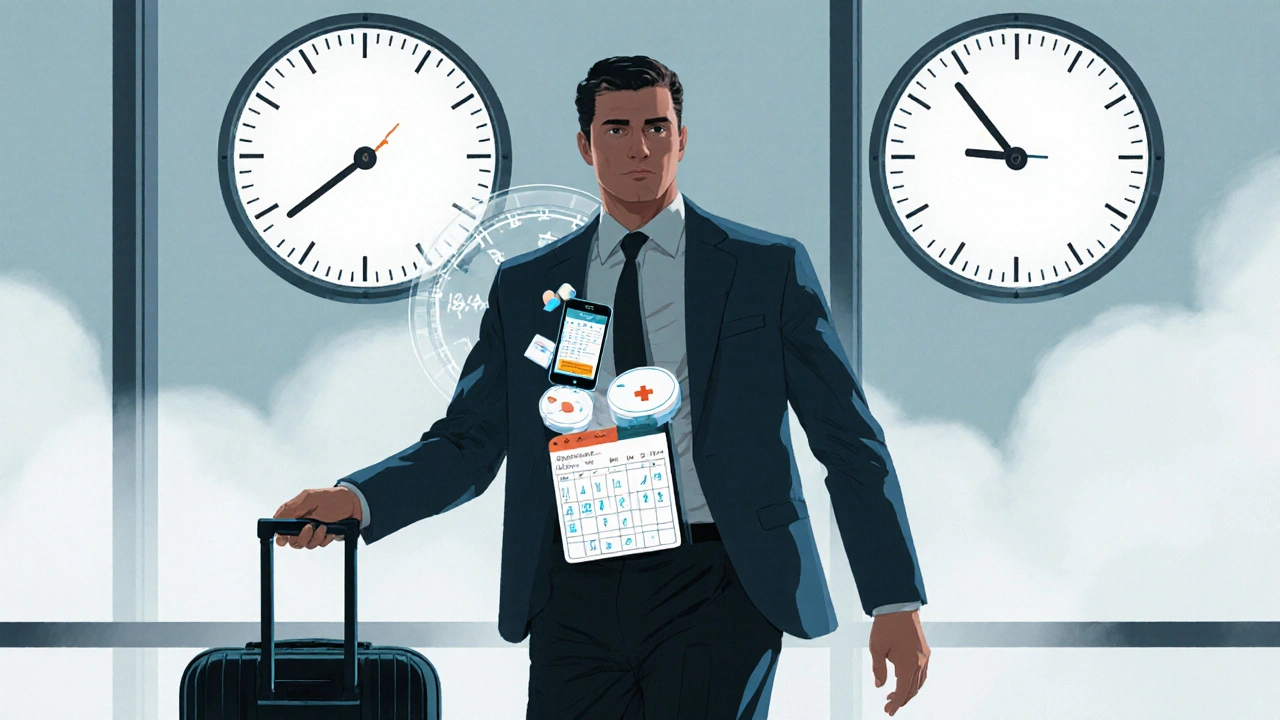
Here’s what goes wrong-and how to fix it:- Wrong time zone: If you travel, your alarm might go off at 3 a.m. Your phone auto-updates, but some apps don’t. Go into settings and confirm your time zone is correct. Use IANA format (e.g., “Europe/London”).
- Permissions blocked: If your app can’t send notifications, it’s useless. On iPhone: Settings > Notifications > [App Name] > Allow Notifications. On Android: Settings > Apps > [App Name] > Notifications > Enable All.
- Too many alarms: If you have 8 pills a day, you’re getting 8 alerts. That’s alert fatigue. Group meds by time. Take all your morning pills together. Same with evening. Reduce 8 alarms to 2.
- No verification: If you just tap “taken,” you’re not tracking real behavior. Use photo or barcode scanning. It’s the only way to know you actually swallowed the pill.
What to Do If It Still Doesn’t Work
You’ve tried everything. The app is set up. The alarms are loud. Your caregiver is notified. But you’re still missing doses. Ask yourself:- Is the dose too big? Too many pills? Too many times a day?
- Do you feel sick after taking it? Are you afraid of side effects?
- Is the cost too high? Are you skipping doses to save money?
If the answer is yes, talk to your doctor. Maybe you can switch to a once-daily pill. Maybe your insurance can help with costs. No app fixes a bad regimen.
Medication adherence isn’t about tech. It’s about trust. Trust that the medicine helps. Trust that you can remember. Trust that someone will notice if you don’t.
Build your system with those three things in mind-and your alarms won’t just ring. They’ll work.
What’s the best free medication reminder app?
Mango Health is the best free option for most people. It connects directly to over 65,000 U.S. pharmacies, sends refill alerts, and tracks your doses without charging you. Medisafe also has a solid free version with basic reminders and pill photos. Avoid apps that lock key features like caregiver alerts or refill tracking behind paywalls-those aren’t worth it if you’re on a budget.
Can I use my phone’s built-in alarm for medication?
You can, but it’s risky. Your phone’s alarm doesn’t know what medicine you’re taking. It doesn’t remind you if you miss it. It doesn’t connect to your pharmacy. And if you snooze it 3 times, you’ll forget what it was for. Dedicated apps like Medisafe or MedAdvisor track what you took, when, and if you actually did it. A simple alarm is better than nothing-but it’s not a system.
How do I get my doctor to help me set up reminders?
Ask your doctor or pharmacist if your clinic uses MedAdvisor, Epic MyChart, or another digital adherence tool. Many now offer free setup sessions. If they don’t, ask them to print your full medication list with times and doses. Bring that to your phone setup. They can also help you simplify your regimen-fewer pills means fewer alarms and better adherence.
Do medication reminder apps work for seniors?
Yes-but only if they’re simple. Seniors over 75 struggle with complex apps. Stick to apps with big buttons, voice alerts, and minimal steps. Hero Health’s dispenser or MedMinder’s physical device work better than smartphones for many. If using a phone, choose one with caregiver access so a family member can help. Studies show simplified apps like Pillo’s “Angry Pill Box” reduce setup abandonment by 58% in older users.
What if I travel across time zones?
Turn on automatic time zone updates in your phone settings. Then check your app’s schedule. Apps like Medisafe and MedAdvisor auto-adjust based on your location. If yours doesn’t, manually change your alarm times when you land. Don’t rely on your old schedule-taking a pill 6 hours early or late can be dangerous, especially with blood thinners or insulin.
Are there any government programs that help with medication reminders?
Starting in 2025, Medicare Part D plans must track adherence and report it to CMS. Some plans now offer free apps or devices to enrollees. Call your plan’s customer service and ask: “Do you provide free medication reminder tools?” Some insurers partner with Medisafe or MedAdvisor to give free premium access. Don’t assume you need to pay-ask first.
Next Steps: Your 15-Minute Action Plan
1. Write down every medication you take, including dose and time. 2. Download one app-Medisafe or Mango Health-based on whether you need pharmacy links or caregiver alerts. 3. Scan your pill bottles instead of typing names. Reduces errors. 4. Add one caregiver with view-only access. 5. Buy a simple pill box as backup. Even if you use an app.You don’t need to fix everything at once. Just start. One app. One backup. One person who knows.
That’s how better adherence begins.


Michael Fitzpatrick
November 23 2025Man, I wish I’d read this five years ago. I used to just set a phone alarm for my blood pressure meds and hope for the best. Then one day I missed three days in a row and ended up in the ER. Turns out, I wasn’t lazy-I was just using the wrong system. Now I use Medisafe with the barcode scanner and a physical pillbox on my nightstand. No more guessing. No more panic. Just a quiet beep and a checkmark. Life’s too short to stress about pills.
Also, the staggered escalation thing? Genius. I set mine to vibrate, then loud alarm, then text my sister. She’s never had to step in yet, but knowing she could? That’s peace of mind.
And yeah, skip the gamification. I got a badge for ‘7-Day Streak’ once. Felt like my grandma was patting my head. Not motivating. Just embarrassing.