
If you rely on albuterol for sudden wheeze, you might wonder what else is out there. The good news is there are several medicines that can open your airways, control inflammation, or even prevent attacks before they start. Below we break down the most common alternatives, when doctors prescribe them, and what you should know before trying a new inhaler.
Albuterol belongs to the short‑acting beta‑agonist (SABA) class. Two other SABAs you may see are levalbuterol and pirbuterol. Levalbuterol is essentially the “right‑handed” version of albuterol, which can mean slightly fewer heart‑racing side effects for some people. Pirbuterol works the same way but isn’t as widely stocked, so you’ll usually need a special prescription.
All these drugs act fast—within minutes—to relax the smooth muscle around your airways. They’re great for rescue use, but they don’t treat the underlying inflammation that fuels asthma.
For daily control, doctors often pair a long‑acting bronchodilator (LABA) with an inhaled corticosteroid (ICS). Common LABAs include salmeterol and formoterol. These last 12 hours or more, so you take them twice a day instead of every few hours.
The real game‑changer for many patients is the ICS alone—drugs like fluticasone, budesonide, or beclomethasone. They reduce swelling in the airway walls, which means fewer rescue inhaler puffs overall. Some people can even replace albuterol with a combination inhaler that has both a LABA and an ICS, such as Advair (fluticasone/salmeterol) or Symbicort (budesonide/formoterol).
If you have mild asthma, a leukotriene receptor antagonist like montelukast (Singulair) or zafirlukast can be an oral alternative to inhaled rescue meds. These pills block inflammatory chemicals called leukotrienes, which often trigger bronchoconstriction after allergens or exercise.
Another non‑inhaled route is the mast‑cell stabilizer cromolyn sodium. You spray it into the nose or lungs before exposure to known triggers—exercise, pollen, cold air—and it helps keep the mast cells from releasing the chemicals that cause tightening.
Finally, for people who can’t tolerate traditional inhalers, there are biologic treatments like omalizumab (Xolair) or mepolizumab (Nucala). These drugs target specific immune pathways and are given by injection every few weeks. They’re usually reserved for moderate‑to‑severe asthma that doesn’t respond to standard inhalers.
When you’re considering swapping albuterol, talk to your doctor about your asthma severity, how often you need rescue medication, and any side effects you’ve noticed. A step‑down plan—starting with a LABA/ICS combo and tapering off albuterol—works for many patients, but it must be supervised.
Remember, no single drug works for everyone. The goal is to keep you breathing easy with the fewest pills or puffs possible. Track your symptoms, note which drug gives the quickest relief, and keep an up‑to‑date action plan. With the right mix of alternatives, you can stay ahead of flare‑ups and live a more active life.
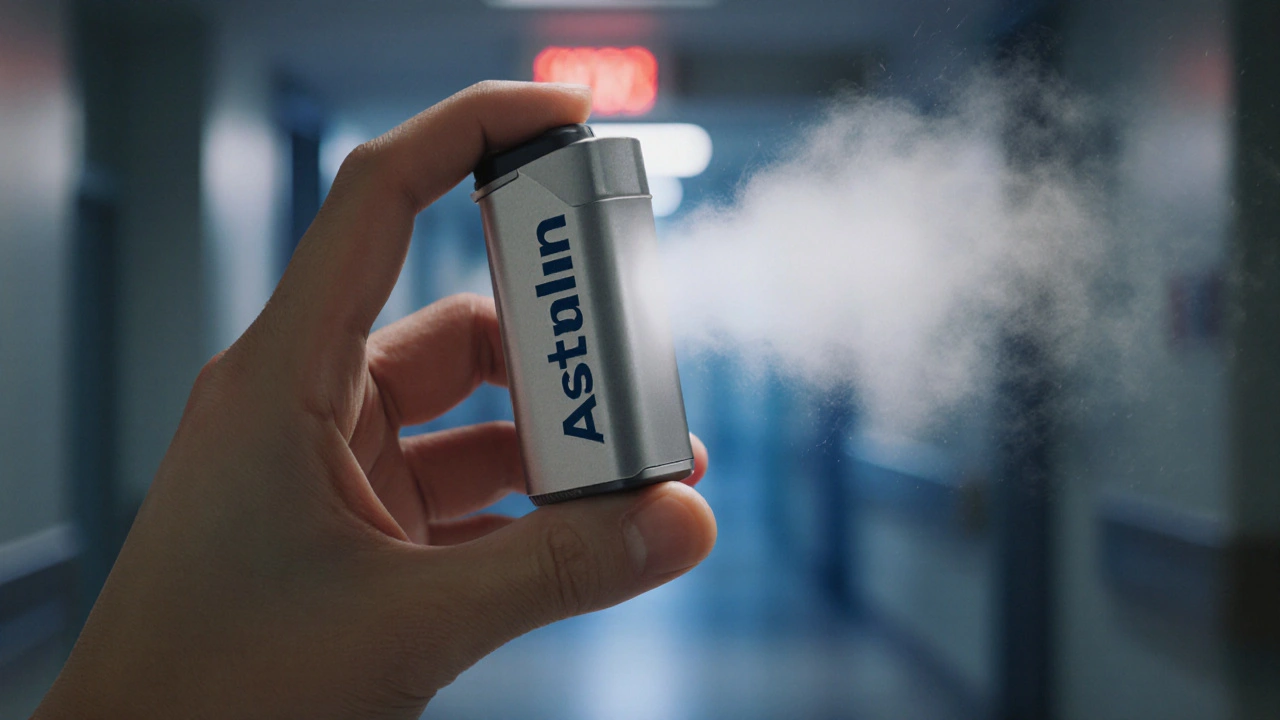
A detailed comparison of Asthalin (salbutamol) with other bronchodilators, covering efficacy, side effects, cost, and when to choose each option.