
When working with aspirin, a widely used medication that relieves pain, reduces fever, and thins the blood. Also known as acetylsalicylic acid, it is an anti‑inflammatory and a blood thinner. This combination lets aspirin tackle everyday aches while also protecting the heart. In simple terms, aspirin reduces inflammation by blocking COX enzymes, lowers fever by acting on the brain’s temperature center, and prevents clot formation by inhibiting platelet aggregation. Those three actions—reduce inflammation, lower fever, prevent clots—form the core of why doctors prescribe it for both minor headaches and serious cardiovascular disease.
People first reach for aspirin when they need quick pain relief—whether it’s a sore muscle after a workout, a toothache, or a menstrual cramp. The dose for pain is usually 325‑650 mg every 4‑6 hours, up to a maximum of 4 g per day. For heart health, the recommendation drops dramatically: low‑dose aspirin (81 mg) taken once daily can keep arteries clear by stopping tiny clots from forming. That low dose is the backbone of secondary prevention—if you’ve already had a heart attack or stroke, it helps stop another one. However, aspirin isn’t a one‑size‑fits‑all solution. Children and teenagers with viral infections should avoid it because of the risk of Reye’s syndrome, a rare but serious condition. Pregnant women, especially in the third trimester, also need medical guidance because aspirin can affect fetal circulation. Understanding these nuances helps you decide when the benefits outweigh the risks.
Beyond pain and heart protection, aspirin shows up in other health conversations. For example, some studies link regular low‑dose use to a modest reduction in certain cancers, while others warn about gastrointestinal bleeding, especially when combined with NSAIDs or alcohol. If you’re on blood‑thinners, steroids, or have a history of ulcers, talk to your pharmacist before adding aspirin to your routine. Knowing how aspirin interacts with other drugs—like ibuprofen, which can blunt its heart‑protective effect—lets you avoid unintended side effects. Understanding how aspirin works and where it fits in your health plan makes the difference between a handy household remedy and a potential hazard. Below you’ll find a curated list of articles that dive deeper into specific uses, safety guidelines, and the latest research on aspirin.
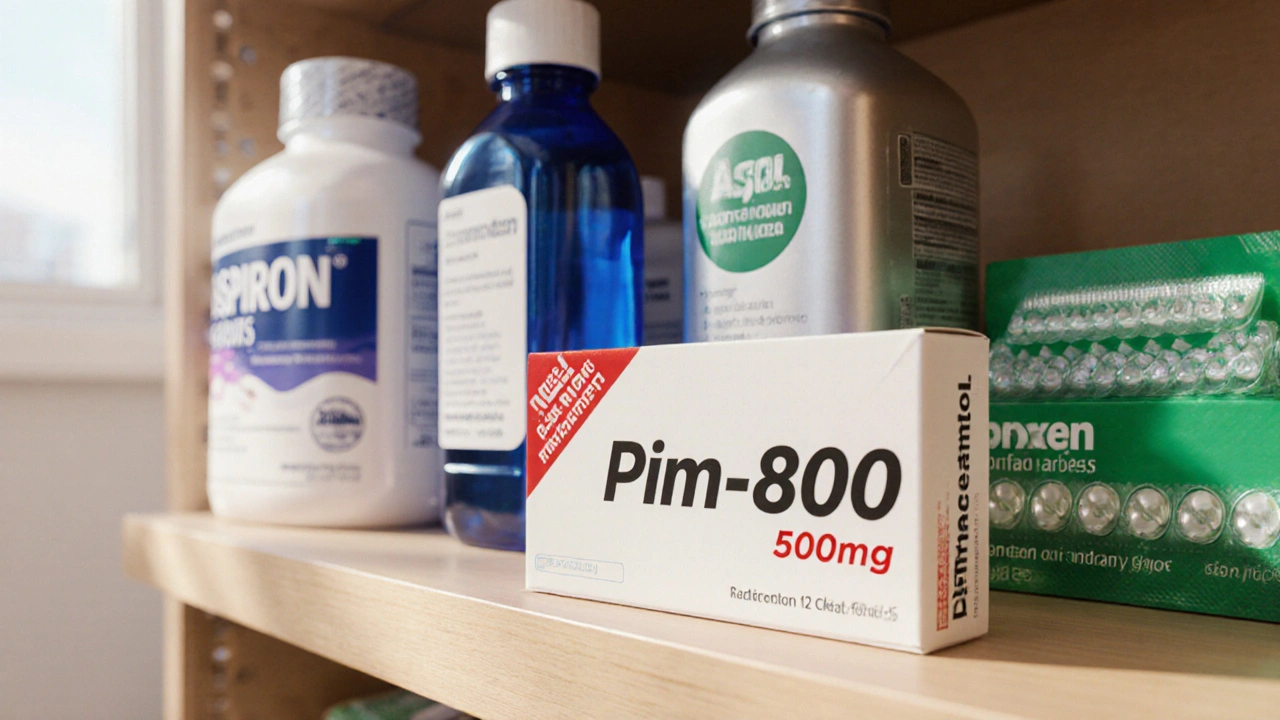
A detailed comparison of Pim-800 paracetamol with ibuprofen, aspirin, naproxen and generic alternatives, covering efficacy, safety, dosing, and best use cases.