
If you rely on bronchodilators for asthma or COPD, you’ve probably wondered whether there are other ways to keep your airways open. The good news is there are several alternatives that can either replace a standard bronchodilator or work alongside it. Below we break down the most common options, when they’re useful, and what you should watch out for.
Short‑acting beta‑agonists (SABAs) like albuterol are the classic rescue inhalers, but they aren’t the only inhaled drugs that open airways. Long‑acting muscarinic antagonists (LAMAs) such as tiotropium work by relaxing the muscles around the airways for up to 24 hours. They’re especially helpful for people with COPD who need steady relief.
Another class is the combination inhalers that pair a LABA (long‑acting beta‑agonist) with a low‑dose inhaled corticosteroid. While they still contain a steroid, the bronchodilator component does most of the work for daily control. If you find yourself needing a rescue puff more than twice a week, a combination inhaler might reduce that need.
For those who can’t tolerate steroids at all, a pure LABA inhaler (like formoterol) can be an option, but only under close doctor supervision because of the risk of worsening asthma if used alone for a long time.
Beyond prescription inhalers, several natural approaches can make breathing easier. Regular aerobic exercise – even a brisk walk or cycling for 20 minutes a day – strengthens the respiratory muscles and improves lung capacity. Start slow and increase intensity as you feel comfortable.
Herbal teas made from ginger, licorice root, or peppermint can soothe irritated airways. These aren’t replacements for medication, but sipping a warm tea during a flare‑up can reduce coughing and make inhalers feel more effective.
Breathing techniques like pursed‑lip breathing or the diaphragmatic method help keep airways open during an attack. Practicing these methods daily means you’ll know how to use them when you need them most.
Finally, keep your environment clean. Using air purifiers, reducing dust, and avoiding smoke or strong fragrances cuts down on triggers that force you to reach for a bronchodilator.
Remember, any alternative should be discussed with your healthcare provider. Switching or adding treatments without guidance can lead to poor control or unexpected side effects. A good plan usually mixes a reliable rescue inhaler with one or two of the alternatives above, tailored to your specific symptoms and lifestyle.
So, whether you’re looking for a longer‑acting inhaler, a natural remedy, or a simple breathing exercise, there are plenty of bronchodilator alternatives that can keep you breathing easier. Try a few, track how you feel, and talk to your doctor about what works best for you.
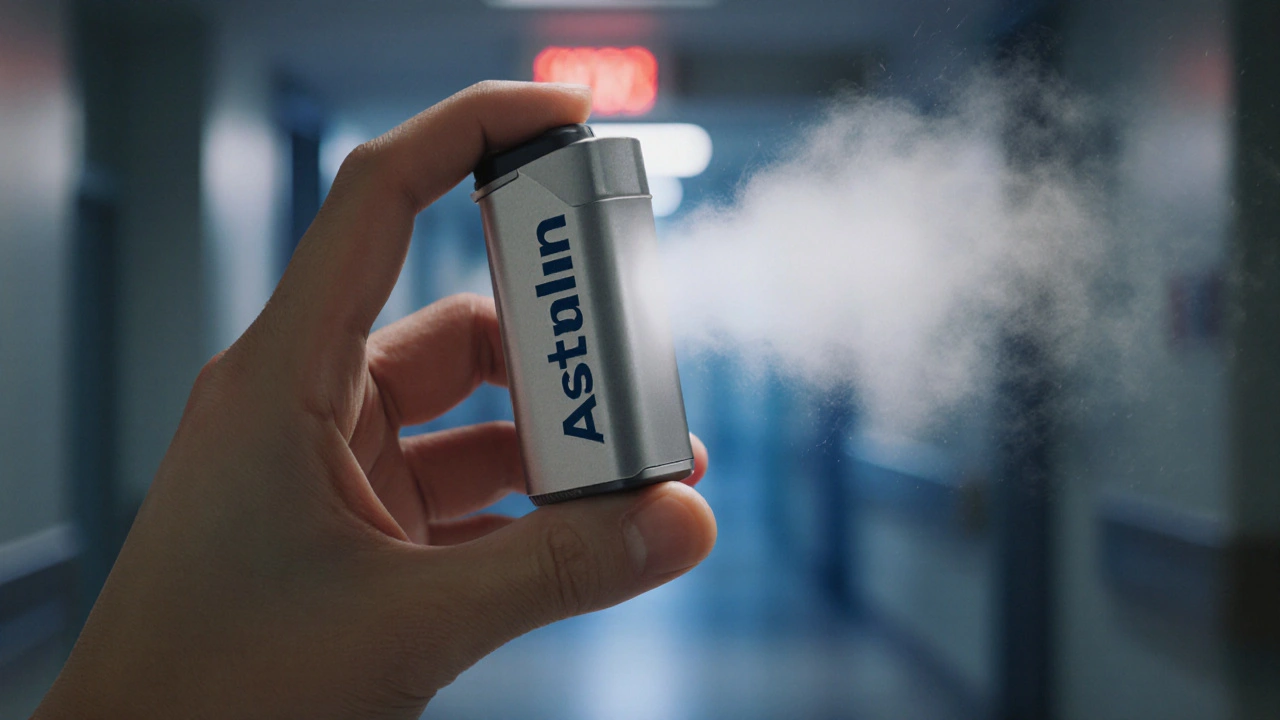
A detailed comparison of Asthalin (salbutamol) with other bronchodilators, covering efficacy, side effects, cost, and when to choose each option.