
Fungal infections are everywhere – from the damp spots in your bathroom to the warm skin between your toes. Most of the time they’re harmless, but they can cause itching, redness, and sometimes painful cracks. In this guide we’ll break down the everyday fungi that bother most people, show you how to spot them early, and give you easy steps to clear them up.
Skin fungus, often called tinea, shows up as a ring‑shaped rash that’s red on the edge and lighter in the middle. It loves moist areas, so you’ll see it on the groin (jock itch), in the folds of skin (intertrigo), or on the soles of the feet (athlete’s foot). Nail fungus (onychomycosis) looks like thickened, yellowed nails that may crumble at the tip. Then there’s candida, the yeast that thrives in warm, moist places like the mouth (thrush) or under diapers. If you notice persistent itching, peeling, or a strange odor, it’s probably time to check for a fungal cause.
The good news is most common fungal infections respond to over‑the‑counter creams, sprays, or powders that contain clotrimazole, terbinafine, or miconazole. Apply the product exactly as the label says – usually twice a day for two weeks, even if the rash looks better. For nail fungus, topical treatments work only on early cases; otherwise a prescription oral antifungal may be needed.
Prevention is mostly about staying dry. After showering, dry the spaces between your fingers and toes thoroughly. Wear breathable shoes and change socks daily, especially if you exercise a lot. If you use communal showers or pools, slip on flip‑flops to avoid picking up fungus from the floor.
Home remedies can help too. Soaking affected feet in a solution of one part vinegar to two parts water for 15 minutes a day reduces fungal growth. A paste of baking soda and water applied to itchy skin can calm irritation. Remember, these tricks are supportive – they don’t replace a proper antifungal cream.
If symptoms linger past two weeks or keep coming back, see a pharmacist or doctor. They can confirm the exact fungus and prescribe stronger medication if needed. Early treatment stops the infection from spreading to other parts of the body or to other people.
In summary, common fungal infections are easy to recognize, treat, and prevent with a few practical habits. Keep your skin clean, stay dry, and act fast when you see the first signs. Your body will thank you with fewer rashes, healthier nails, and less itching.
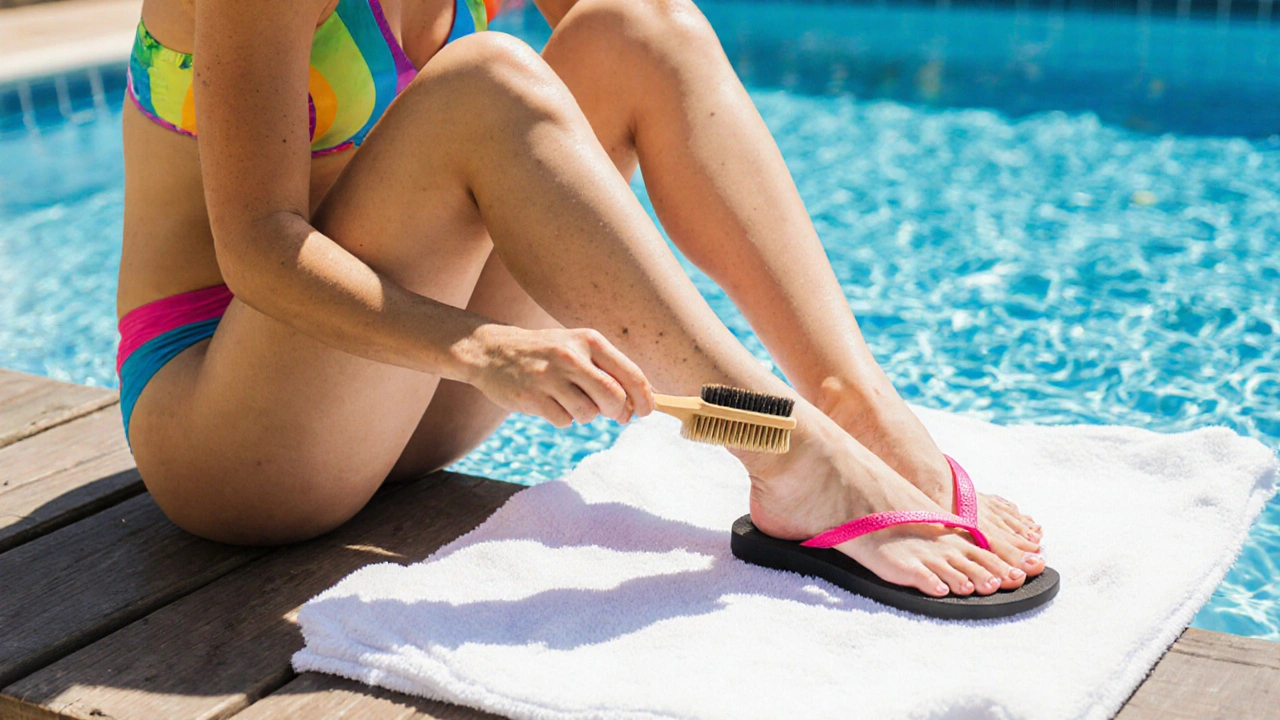
Learn quick, practical ways to prevent and treat common fungal infections like athlete's foot, jock itch, ringworm, and yeast infections with proven prevention tips, effective treatments, and when to seek medical help.