
If you’ve ever heard the term “intraocular pressure” (IOP) and wondered what it really means, you’re not alone. It’s simply the fluid pressure inside your eye. Think of your eye as a tiny water balloon – a little pressure keeps its shape, but too much or too little can cause trouble.
Normal IOP usually sits between 10 and 21 mm Hg. When the pressure climbs above that range, the optic nerve can get squeezed, leading to glaucoma – a leading cause of vision loss. Low pressure isn’t harmless either; it can indicate eye injury or inflammation. That’s why doctors check IOP during routine eye exams, especially if you have a family history of glaucoma or are over 40.
Factors that push IOP up include age, genetics, certain eye surgeries, and medications like corticosteroid eye drops. Even everyday habits matter. Too much caffeine, high‑salt meals, or lack of sleep can nudge the numbers higher. On the flip side, regular exercise and a balanced diet often help keep pressure steady.
First step: get your IOP measured. Most eye doctors use a tonometer – a quick, painless device that gives a reading in seconds. If your pressure is high, they’ll likely prescribe eye‑pressure drops. The most common classes are:
In Israel, many of these meds are available under local brand names, and IsraMeds can help you compare formulations, side‑effects, and prices.
Beyond prescriptions, lifestyle tweaks make a difference. Aim for at least 30 minutes of moderate exercise most days – walking, cycling, or swimming can lower IOP by a few points. Cut back on caffeine and salty snacks, and keep hydrated with water instead of sugary drinks. If you wear steroid eye drops for allergies or inflammation, ask your doctor about the shortest effective course.
Regular follow‑up is key. Most patients need an eye‑pressure check every 3‑6 months, even when they feel fine. Early detection lets you adjust treatment before any damage occurs.
Bottom line: intraocular pressure is a simple number with big implications. Knowing your baseline, staying on top of medication, and making a few everyday changes can protect your vision for years to come. Need more details on specific Israeli eye‑pressure meds or want to compare prices? Browse IsraMeds for up‑to‑date drug info and user reviews.
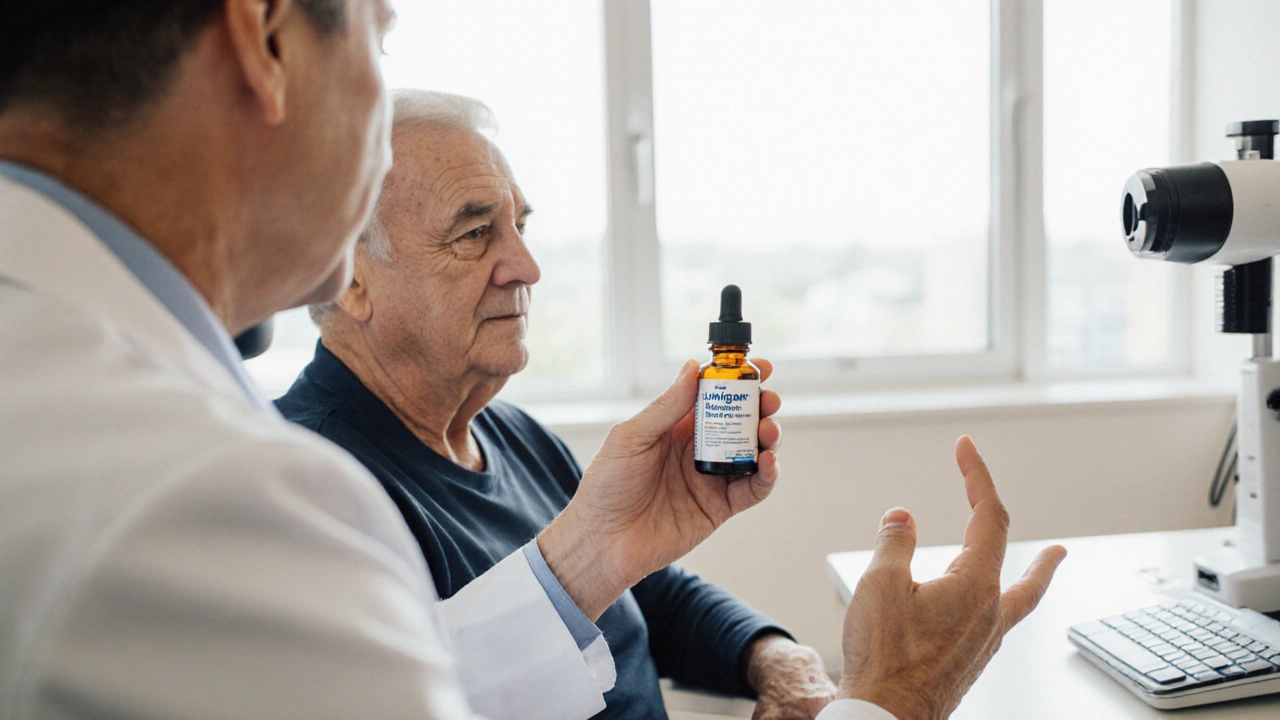
A detailed guide comparing Lumigan (bimatoprost) with other glaucoma eye drops, covering efficacy, side‑effects, cost, and how to choose the right medication.