
Finding out you have prostate cancer can feel like an accident. The first thing most people want to know is: how do I treat it? You don’t need a medical textbook to get the basics. Below you’ll see the main ways doctors fight prostate cancer, why they choose each method, and what you can expect during and after treatment.
Radical prostatectomy is the surgical removal of the whole prostate gland. It’s often recommended for men whose cancer is still confined to the prostate. Modern techniques, like robot‑assisted laparoscopy, mean smaller cuts, less blood loss, and a quicker return to normal activities. Most men regain urinary control within a few weeks, but a small chance of erectile dysfunction remains.
External beam radiation therapy (EBRT) targets the tumor from outside the body. It’s a good alternative for men who prefer to avoid surgery or have other health issues that make an operation risky. Treatment usually spreads over five to eight weeks, with daily sessions that last just a few minutes. Side effects can include tiredness, mild bowel changes, and temporary urinary irritation.
Prostate cells grow when they sense testosterone. Hormonal therapy, also called androgen deprivation therapy (ADT), lowers testosterone levels or blocks its effect. The most common drugs are GnRH agonists (like leuprolide) and GnRH antagonists (like degarelix). ADT can shrink tumors before surgery or radiation, and it’s the backbone of treatment for advanced disease.
While ADT can be very effective, it isn’t free of drawbacks. Men often notice hot flashes, loss of libido, fatigue, and slower muscle mass gain. Doctors usually monitor bone health and may add bisphosphonates or denosumab to protect against osteoporosis.
When prostate cancer becomes resistant to hormone therapy, newer drugs step in. Abiraterone and enzalutamide block the androgen pathway more completely. They’re taken as pills and have become standard for metastatic castration‑resistant prostate cancer (mCRPC).
Immunotherapy is still finding its place. Sipuleucel‑T is a personalized vaccine that trains your immune system to attack prostate cancer cells. It’s given in a series of three infusions and can extend survival for a subset of men with mCRPC.
Every case is different, so a one‑size‑fits‑all answer doesn’t exist. Here are four quick questions to bring to your next appointment:
Getting clear answers helps you weigh the trade‑offs between cure rates, quality of life, and personal preferences.
Recovery isn’t just about the medical side. Maintaining a healthy diet, staying active, and getting regular check‑ups are key. Many men find support groups useful—talking to others who’ve been through similar choices eases anxiety and gives practical tips.
Remember, prostate cancer treatment has advanced a lot in the past decade. Whether you go for surgery, radiation, hormonal therapy, or a newer drug, the goal is the same: keep the cancer under control while preserving the life you want to live.
If you need more details on any specific drug or procedure, explore the related articles on our site. We keep the information up‑to‑date, so you can make informed decisions without wading through medical jargon.
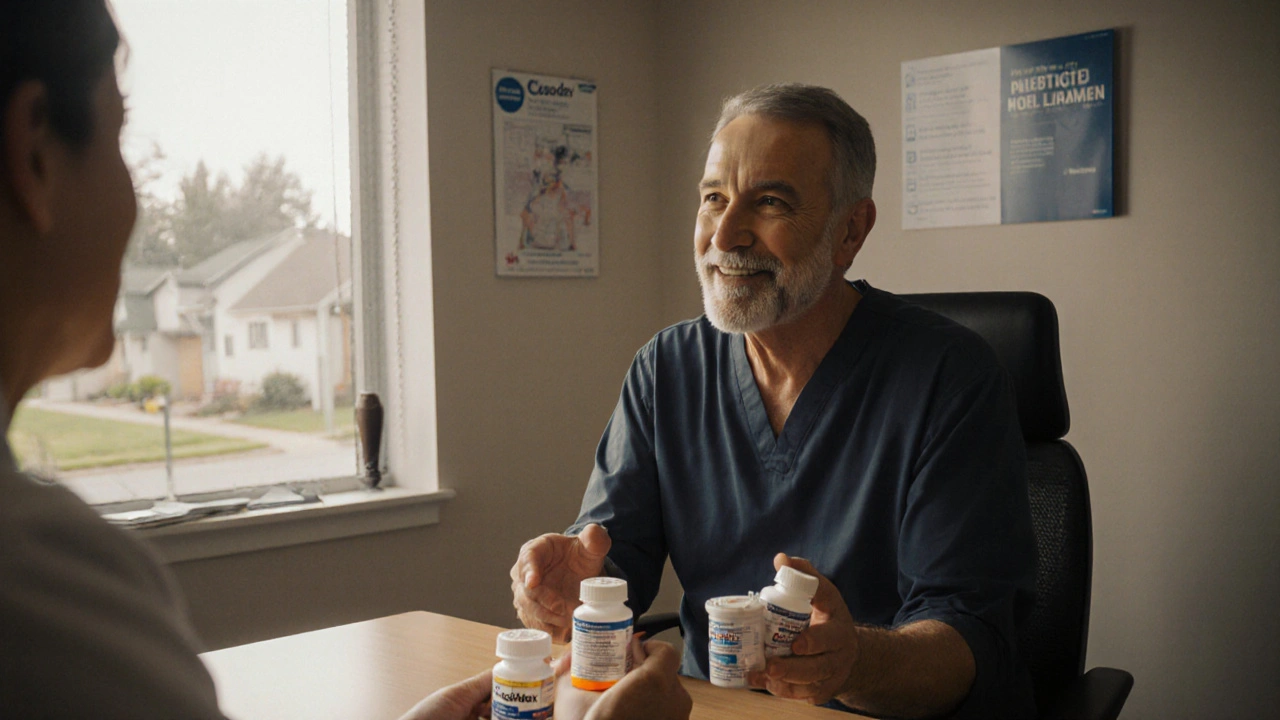
Compare Casodex (bicalutamide) with other anti‑androgen therapies. Learn efficacy, side‑effects, dosing and how to choose the right option for prostate cancer.