
Ever noticed a red, itchy patch that won’t go away? Chances are you’re dealing with a skin fungus. These infections are caused by tiny organisms that love warm, damp places – think sweaty shoes, public showers, or even a bit of moisture on your skin.
Athlete’s foot shows up on the toes or the bottom of the foot. The skin looks white, flaky, and it often feels burning. Ringworm isn’t a worm at all; it’s a round, scaly rash that can appear anywhere on the body, often with a clear center. Jock itch targets the groin area and can spread to the thighs. All of them share the same trio of symptoms: itching, redness, and a bit of scaling.
Keeping skin dry is the number one rule. After a shower or a workout, dry every crease – between toes, under arms, and in the groin. Wear breathable shoes and change socks daily; cotton socks are best because they let moisture escape.
If you’re using a public pool or gym, slip on flip‑flops. Those simple habits cut the chance of picking up a fungus by a lot.
Another easy tip: don’t share towels, razors, or clothing. Fungi spread easily through contact, so keeping personal items to yourself helps a ton.
When you do spot a suspicious spot, act fast. Clean the area with mild soap and water, then pat it dry. Applying an over‑the‑counter (OTC) antifungal cream within 24‑48 hours can stop the infection from spreading.
OTC options like clotrimazole, miconazole, or terbinafine work well for most mild cases. Follow the package instructions – usually twice a day for two weeks, even if the rash looks better after a few days. Skipping the full course lets the fungus come back.
If the rash gets worse, spreads quickly, or you notice swelling and pain, it’s time to see a doctor. Prescription meds such as oral terbinafine or itraconazole might be needed for stubborn infections, especially on the nails.
Home remedies can also lend a hand. Tea tree oil and apple cider vinegar have mild antifungal properties, but they’re best used alongside a proven cream, not as the sole treatment.
Remember, skin fungus isn’t a sign of poor hygiene – it can happen to anyone. The key is to notice early signs, keep the skin dry, and treat promptly.
Got a persistent rash? Talk to a pharmacist or health professional. They can guide you to the right product and tell you when a prescription is necessary.
By staying aware of the environment, keeping skin clean and dry, and using quick‑acting antifungal treatments, you can beat most skin fungus problems without a hassle.
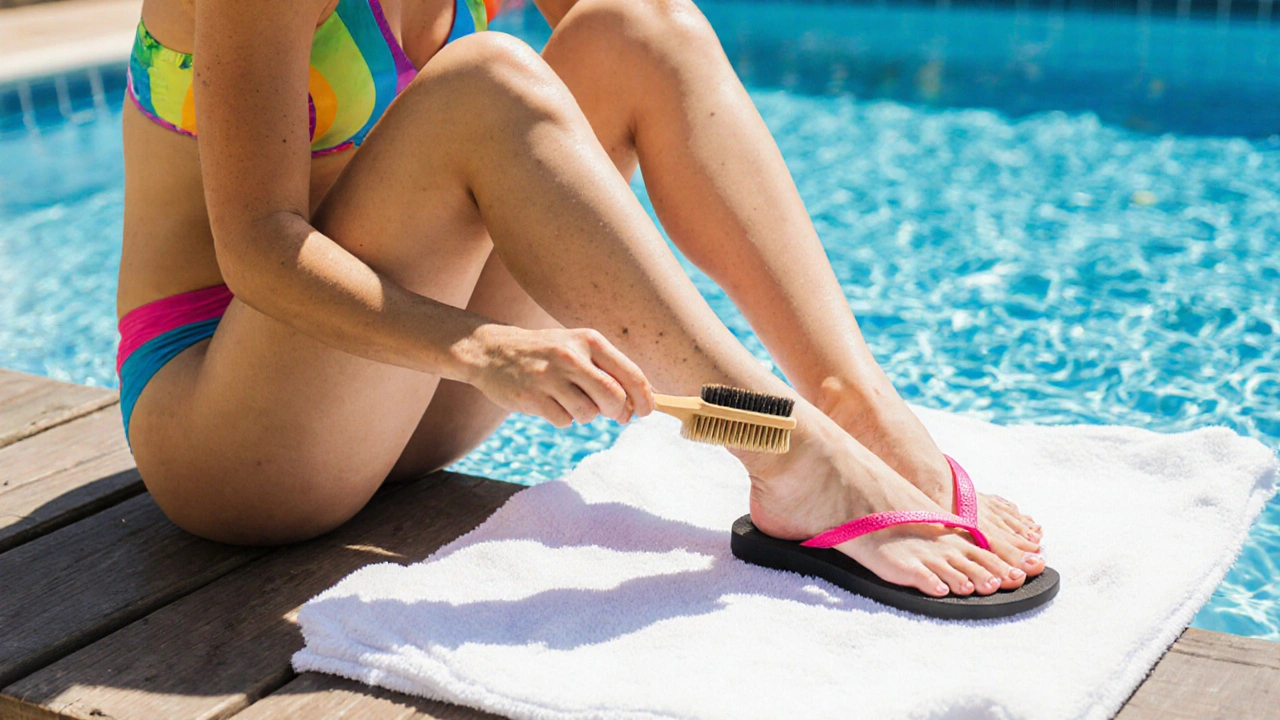
Learn quick, practical ways to prevent and treat common fungal infections like athlete's foot, jock itch, ringworm, and yeast infections with proven prevention tips, effective treatments, and when to seek medical help.