
If a wart is nagging you, you don’t have to live with it forever. Most warts are harmless, but they can be ugly and uncomfortable. The good news? You have several options that work without a big hassle. Below you’ll find the easiest home tricks, the medical routes, and the signs that tell you it’s time to call a professional.
Before you rush to a pharmacy, try these low‑cost methods. Many people see results in a few weeks.
Salicylic acid is the most common over‑the‑counter (OTC) ingredient. It comes as a liquid, gel, or pad. Apply it daily after soaking the wart in warm water for 5‑10 minutes. The softened skin lets the acid eat away at the wart layer by layer. Be patient – you may need 2‑4 weeks of steady use.
Duct tape works surprisingly well. Cut a piece of duct tape to cover the wart, leave it on for 6 days, then remove it, soak the area, and gently scrape any dead skin with a pumice stone. Repeat the cycle until the wart disappears. The method isn’t magic, but the airtight environment can help shrink the growth.
Apple cider vinegar is another kitchen staple. Soak a cotton ball in the vinegar, tape it to the wart, and leave it on overnight. The acidity can burn the wart tissue, causing it to fall off after several nights. Watch for skin irritation and stop if it gets too painful.
For kids or sensitive skin, over‑the‑counter freezing kits (often called cryotherapy) are an option. They spray a tiny burst of cold onto the wart, freezing it in minutes. Follow the instructions carefully and avoid using the kit on large or deep warts.
If home tricks fail, or if the wart is inside the mouth, on the genitals, or causes bleeding, get professional help.
Doctors can apply stronger prescription‑strength salicylic acid or cantharidin, a substance that makes the wart blister and fall off. These treatments are usually done in the office and need a follow‑up visit.
Cryotherapy performed by a clinician uses liquid nitrogen, which freezes the wart much deeper than OTC kits. It’s quick, but you might need a few sessions.
For stubborn warts, especially those that keep coming back, a doctor might suggest immune‑system therapy like imiquimod cream or even a minor surgical removal. These options are more involved, but they have high success rates.
Know when to act: if the wart grows quickly, changes color, bleeds a lot, or hurts, schedule an appointment right away. These signs can mean infection or, rarely, something more serious.
Bottom line: start with simple OTC or home methods, keep the area clean, and be consistent. If nothing improves after a month, or if the wart is in a tricky spot, see a dermatologist. With the right approach, most warts disappear without scarring and you can get back to feeling confident in your skin.
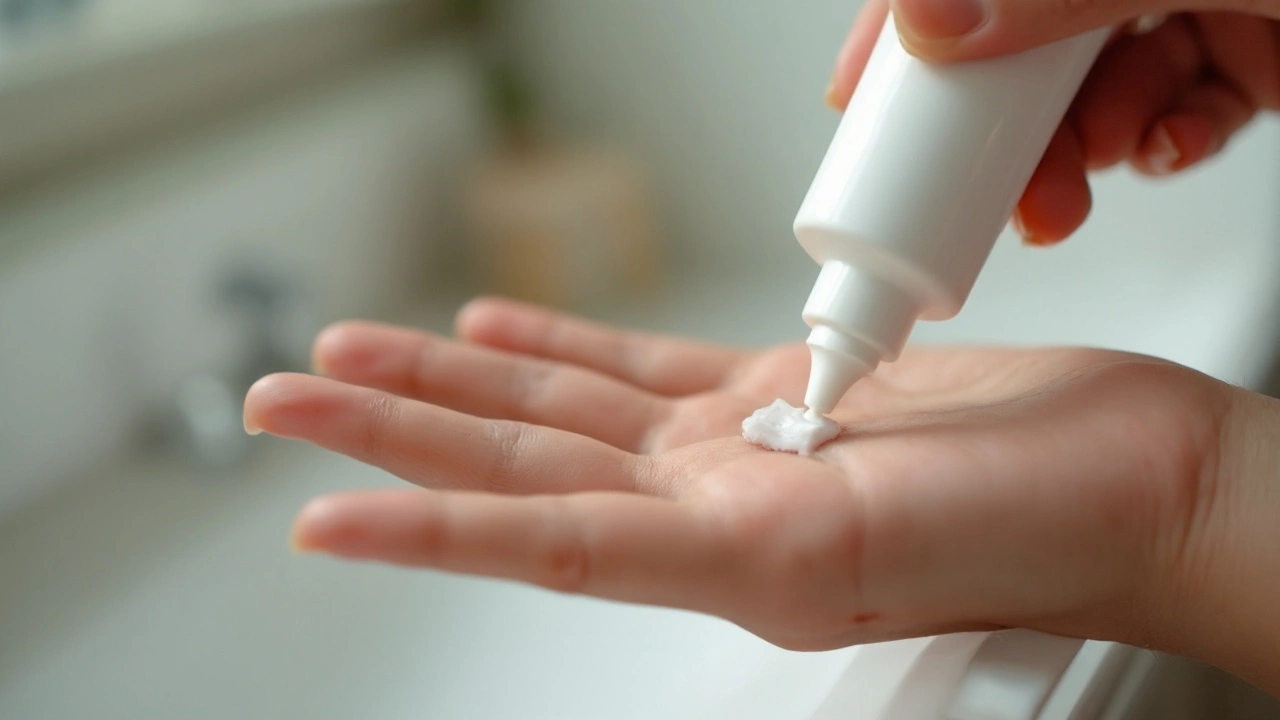
Learn what Imiquad cream is, how it works against warts, the correct way to apply it, expected results, and the most common side‑effects to watch for.