
Many people believe they’re allergic to penicillin or other medications-maybe because they got a rash as a kid, or a doctor once said so. But here’s the truth: 9 out of 10 people who think they’re allergic to penicillin aren’t. That’s not a guess. It’s what hospitals and clinics across the UK and US have found after testing patients properly. Skin testing is the best way to find out if you really have a drug allergy-or if you’ve been avoiding safe, effective medicines for years.
How Skin Testing Works for Drug Allergies
Drug allergy skin testing isn’t like getting a shot. It’s a quick, controlled way to see if your skin reacts to a specific medicine. There are three main types used for drugs: skin prick, intradermal, and patch tests. Which one you get depends on the drug and when your reaction happened.
The skin prick test is the first step. A tiny drop of the drug (diluted in saline) is placed on your forearm or back. Then, a small plastic device gently pricks the skin through the drop-just enough to let a bit of the drug seep in. It feels like a light mosquito bite. You’ll wait 15 to 20 minutes. If your skin turns red, swells, or itches at that spot, it could mean you’re allergic. But if nothing happens, that’s a good sign.
If the skin prick test is negative (and your doctor still suspects an allergy), they might do an intradermal test. This involves injecting a tiny amount-just 0.02 to 0.05 milliliters-under the top layer of skin. It creates a small bubble, like a mosquito bite filled with water. The doctor measures it right away and again after 20 minutes. A positive result means the bump grew by 3 millimetres or more. This test is more sensitive than the prick test, meaning it’s better at catching real allergies. But it also has a higher chance of giving a false positive, so it’s only done after the first test.
Both tests always include a positive control (histamine) and a negative control (saline). The histamine should make your skin itch and swell-that’s normal. If it doesn’t, the test might be invalid. The saline should do nothing. If it does, something’s wrong with the test setup. These controls make sure the results mean something.
Which Drugs Can Be Tested
Not all drugs can be tested easily. Skin testing works best for beta-lactam antibiotics like penicillin, amoxicillin, and cephalosporins. For these, if both the skin prick and intradermal tests are negative, there’s a 95% chance you’re not allergic. That’s why so many people are being taken off the "penicillin allergy" label.
For other drugs, the tests are less reliable. For example, with NSAIDs like ibuprofen or aspirin, skin tests often give negative results-even if you’ve had a reaction before. That doesn’t mean you’re safe to take them again. In those cases, doctors might suggest a drug challenge instead, where you take a tiny, monitored dose under supervision.
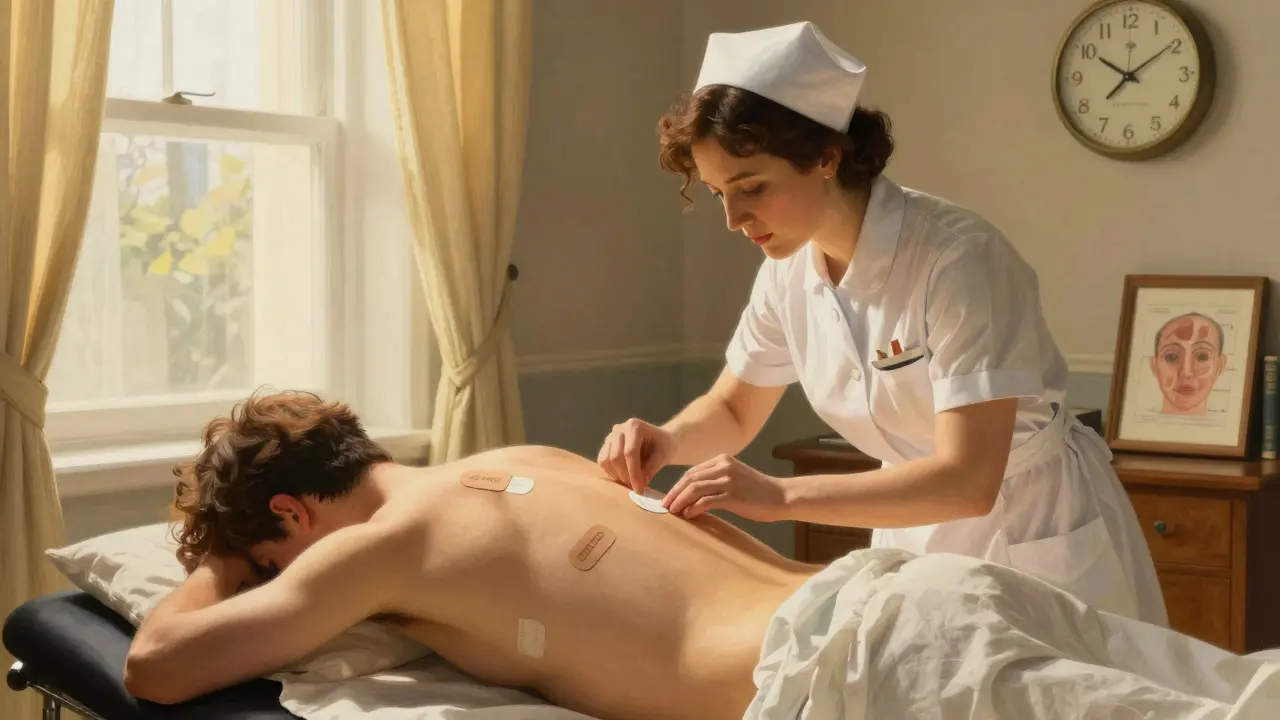
For reactions that happen hours or days after taking a drug-like a delayed rash or blistering-patch testing is used. Small patches containing the drug are taped to your back for 48 hours. You come back to see if there’s a reaction. This is common for antibiotics like sulfonamides or certain painkillers.
What You Need to Do Before the Test
Getting accurate results depends on what you do-or don’t do-beforehand. The biggest mistake patients make? Taking antihistamines.
Antihistamines block your body’s allergic response. That means even if you’re allergic, the test might show nothing. You need to stop all antihistamines-whether it’s cetirizine, loratadine, diphenhydramine, or even cold and flu meds that contain them-for at least 5 to 7 days before your test. Some doctors recommend 10 days just to be safe.
You also shouldn’t take steroid pills or creams in the week before testing. Topical creams on your arms or back? Avoid them. The test sites need to be clean and untouched. If you’re on daily steroids for asthma or another condition, talk to your doctor. They’ll decide if it’s safe to pause them.
And yes-skip the caffeine and alcohol the day before. They can make your skin more reactive and mess up the results.
What Happens During the Test
The whole process takes about 45 to 60 minutes. You’ll sit in a chair, usually in an allergy clinic or hospital setting. Your arms or back will be cleaned and marked with a permanent marker so the doctor knows where each drug goes. Each test site needs to be at least 2.5 centimetres apart-no skin creases, no folds.
The skin prick test is done first. You’ll feel a quick pinch, maybe a little sting. Then you wait. Some people get itchy. That’s normal if the histamine control works. If you feel your throat tightening or your chest getting tight, tell the staff right away. That’s rare, but they’re trained to handle it.
After the prick test, if needed, the intradermal test follows. That’s when you’ll feel a small pinch and a bit of burning or stinging that lasts a couple of minutes. One patient described it as "like a bee sting that doesn’t go away for a few minutes." It’s uncomfortable, but not dangerous.
Throughout the test, your doctor will take photos of the test sites. That’s not just for records-it’s standard practice. Later, if you need to see another doctor, they’ll have proof of what happened.
What the Results Mean
A positive result means you likely have an allergy. But a negative result doesn’t always mean you’re safe. For some drugs, like penicillin, a negative test is very reassuring. For others, like sulfa drugs or certain painkillers, a negative test doesn’t rule out allergy. That’s why doctors don’t rely on skin tests alone.
For penicillin, if both tests are negative, you’ll probably be asked to take a small dose of the drug under observation-a drug challenge. If you take it without a reaction, you’re officially not allergic. That’s huge. It means you can use safer, cheaper antibiotics in the future instead of broad-spectrum ones that disrupt your gut and increase infection risk.
One case from the Cleveland Clinic involved a 45-year-old woman who’d avoided all penicillin-based antibiotics for 20 years after a childhood rash. Her skin tests were negative. She took a full dose of amoxicillin in the clinic. No reaction. She’s now able to use penicillin safely-and her doctors can avoid using stronger, more expensive drugs when she gets sick.
But there are risks. A 2022 Medscape report described a patient who had negative skin tests to a cephalosporin, then had a full anaphylactic reaction when given the drug in the hospital. That’s why testing isn’t done alone. It’s part of a bigger picture: your medical history, your symptoms, and sometimes a challenge test.
Why This Matters for Your Health
Being labeled "allergic to penicillin" might sound harmless. But it affects your care. Doctors avoid penicillin and reach for broader antibiotics like vancomycin or ciprofloxacin. These drugs are more expensive, harder on your gut, and more likely to cause dangerous infections like C. diff.
At Johns Hopkins Hospital, after they started routinely testing patients for penicillin allergy, they cut their use of broad-spectrum antibiotics by 30%. That led to fewer C. diff infections and lower hospital costs.
In the UK, only about 20-30% of people with a reported penicillin allergy get tested. In France and Germany, it’s over 65%. The gap isn’t because the tests don’t work. It’s because they’re underused. You might be carrying around a label that’s holding you back.
Who Should Get Tested
You should consider skin testing if:
- You’ve been told you’re allergic to penicillin, amoxicillin, or another beta-lactam antibiotic
- You’ve had a rash, hives, or swelling after a drug-but not anaphylaxis
- You’re preparing for surgery or need antibiotics and want to avoid broad-spectrum options
- You’re pregnant or planning to be, and need safe antibiotic choices
- You’ve had a reaction to a drug more than 5 years ago and want to know if it still matters
But you shouldn’t get tested if:
- You’re having an active allergic reaction right now
- You have uncontrolled asthma or severe heart disease
- You’ve had anaphylaxis to a drug in the past and haven’t been cleared by an allergy specialist
Always talk to your doctor first. Skin testing is safe-but only when done by trained professionals in the right setting.

What Comes After the Test
If you’re cleared, your doctor will update your medical records. You’ll get a letter or card saying you’re not allergic. Keep it with your meds. Tell every new doctor. If you’ve been avoiding penicillin for years, you might be surprised how many common antibiotics you can now use safely.
If you’re confirmed allergic, you’ll get an allergy bracelet or card. You’ll learn which drugs to avoid and what to do if you accidentally take one. You might also be given an epinephrine auto-injector, depending on the severity.
Either way, you’ll have clarity. No more guessing. No more avoiding safe treatments. Just the facts.
What’s New in Drug Allergy Testing
In 2022, the European Medicines Agency approved standardized penicillin test kits. Before, different hospitals used different reagents-some better than others. Now, everyone uses the same, reliable ones. That means more consistent results.
Researchers are also working on tests for drugs like ciprofloxacin and vancomycin. Right now, skin testing for these doesn’t work well. But early trials show promise. And in January 2023, the U.S. National Institute of Allergy and Infectious Diseases updated its guidelines to include opioid allergy testing-something once thought too risky.
What’s clear? Skin testing is becoming more standard, not less. Hospitals are starting allergy clinics. Pharmacists are getting trained. More patients are being tested-and more are getting their lives back.
Is drug allergy skin testing painful?
The skin prick test feels like a light pinch or mosquito bite. The intradermal test involves a small injection and may cause a brief stinging sensation that lasts a few minutes. Most people find it tolerable. The discomfort is far less than what you’d feel during a real allergic reaction.
Can I take my regular medications before the test?
No. You must stop all antihistamines (like cetirizine, loratadine, or diphenhydramine) for at least 5 to 7 days before testing. Steroid pills and creams should also be paused unless your doctor says otherwise. Other medications like blood pressure or diabetes pills are usually fine-check with your provider.
How accurate is skin testing for drug allergies?
It’s highly accurate for penicillin and related antibiotics-over 95% when both skin prick and intradermal tests are negative. For other drugs, like NSAIDs or sulfa drugs, accuracy drops. A negative result doesn’t always mean you’re safe. That’s why doctors often follow up with a controlled drug challenge for high-risk cases.
Can I get tested for any drug?
Not all drugs have approved test solutions. Skin testing works best for beta-lactam antibiotics (penicillin, amoxicillin, cephalosporins). For many other drugs, like ibuprofen, acetaminophen, or opioids, the test isn’t reliable. In those cases, doctors rely more on your history and sometimes a drug challenge under supervision.
What if the test shows I’m allergic?
If you’re confirmed allergic, your doctor will help you avoid that drug and any similar ones. You’ll likely get an allergy bracelet or card, and you may be prescribed an epinephrine auto-injector. You’ll also learn what to do in case of accidental exposure. Most people can still take other antibiotics safely-just not the one you’re allergic to.
Is skin testing safe?
Yes, when done correctly. The drug is only introduced into the top layer of skin-not your bloodstream. Systemic reactions are extremely rare. All testing is done in clinics with trained staff, emergency equipment, and medications ready. The risk of a reaction during testing is far lower than the risk of using the wrong antibiotic later.
Next Steps If You Think You’re Allergic
If you’ve been told you’re allergic to a drug, especially penicillin, don’t just accept it. Ask your GP or pharmacist: "Can I be tested?" Most NHS clinics and private allergy units offer this service. You don’t need a referral from a specialist to start the conversation.
Write down your reaction: What drug? When? What happened? How long ago? That info helps the doctor decide if testing is right for you.
And if you’ve avoided a drug for years because of a childhood rash? You might be surprised how many safe, better options open up once you know the truth.





Amy Vickberg
January 15 2026I never realized how many people are mislabeled as penicillin-allergic. I was one of them-got a rash at 7, got labeled for life. Turned out I was fine after testing. Now I take amoxicillin like it’s candy. Why aren’t more doctors pushing this?