
Epigastric Pain & Gastroenteritis Symptom Checker
Symptom Assessment Tool
Answer a few questions about your symptoms to determine if you may have gastroenteritis or another condition. This tool is not a substitute for medical diagnosis.
When a burning ache settles just under the breastbone, you’re likely feeling epigastric pain. It can be a sign of something as simple as a spicy meal, or as serious as an infection like gastroenteritis. This guide walks you through what triggers the pain, how to spot the warning signs, and what steps you can take to feel better fast.
Key Takeaways
- Epigastric pain is a symptom, not a disease; it points to several possible causes.
- Gastroenteritis often presents with epigastric discomfort together with nausea, vomiting, and diarrhea.
- Identify red‑flag symptoms - blood, fever over 101°F, or pain lasting more than a few days - and seek medical help promptly.
- Mild cases respond to hydration, diet changes, and over‑the‑counter meds; severe cases need prescription treatment.
- Prevent future episodes by managing stress, avoiding trigger foods, and practising good hand hygiene.
Epigastric Pain is a burning or gnawing sensation located in the upper middle part of the abdomen, just below the sternum. It often radiates to the back or chest and can fluctuate in intensity throughout the day.
Understanding Epigastric Pain
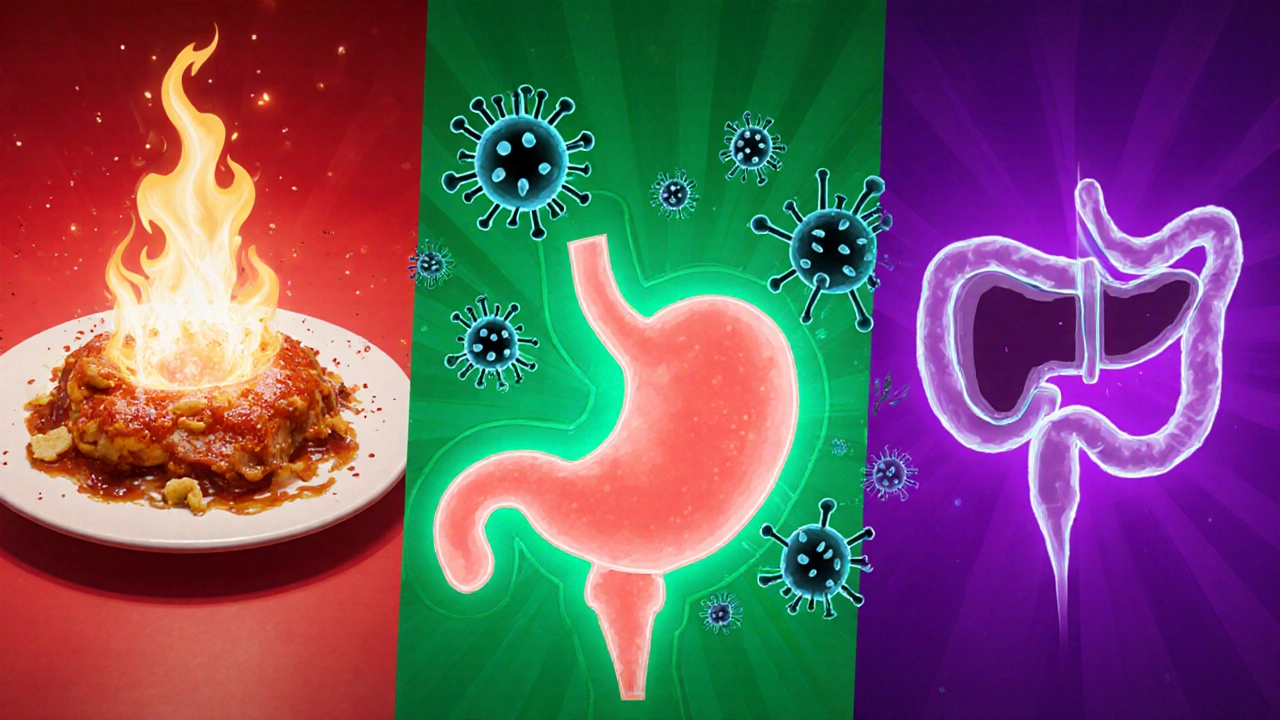
Epigastric pain is a common complaint in primary‑care clinics. It’s the body’s way of saying something in the upper digestive tract isn’t happy. The pain may feel sharp, dull, or like a pressure. Because the region houses the stomach, duodenum, pancreas, gallbladder, and part of the liver, a wide range of conditions can manifest here.
The Connection with Gastroenteritis
Gastroenteritis, an inflammation of the stomach and intestines, frequently shows up with epigastric discomfort. The infection-usually viral (norovirus, rotavirus) or bacterial (Salmonella, E.coli)-irritates the stomach lining, causing the characteristic ache. While most cases resolve within a week, the overlap of symptoms can make it tricky to tell the two apart without a closer look.
Common Causes of Epigastric Pain
| Cause | Typical Symptoms | When to worry |
|---|---|---|
| Gastroenteritis | Nausea, vomiting, watery diarrhea, low‑grade fever | Blood in stool, dehydration, pain > 3days |
| Acid reflux (GERD) | Heartburn after meals, sour taste, regurgitation | Chest pain radiating to arm, weight loss |
| Stomach ulcer | Burning pain that improves with food, then returns | Bleeding, black stools, sudden severe pain |
| Gallbladder disease | Right‑upper‑quadrant pain after fatty meals, nausea | Jaundice, fever, persistent pain |
| Pancreatitis | Deep, steady pain that radiates to the back, vomiting | Severe, worsening pain, elevated enzymes |
| Food poisoning | Sudden onset nausea, vomiting, crampy pain | High fever, persistent vomiting, blood |
These are the most frequent culprits, but rare conditions like Helicobacter pylori infection or medication side‑effects (e.g., NSAIDs) can also create similar discomfort.
Recognising the Warning Signs
Most epigastric pain episodes are mild and resolve with home care. However, certain clues signal a deeper problem:
- Bleeding - bright red blood in vomit or black, tarry stools.
- Fever above 101°F (38.3°C) that persists.
- Sudden, crushing pain that doesn’t ease with rest.
- Unexplained weight loss or loss of appetite.
- Persistent pain longer than 72hours.
If any of these appear, book a medical appointment promptly. Early diagnosis can prevent complications.
When to Seek Medical Help
Even if you’re not sure, it’s safer to call your GP or visit an urgent care centre when:
- You have a history of ulcers, gallstones, or pancreatitis.
- You’re pregnant or have a compromised immune system.
- You notice the pain after a recent course of antibiotics or painkillers.
- Symptoms worsen despite self‑care for 48hours.
Doctors may request blood tests, an abdominal ultrasound, or an endoscopy to pinpoint the cause.
Treatment Options - From Home to Prescription
Depending on the underlying cause, treatment ranges from simple lifestyle tweaks to prescription medication.
Self‑care for mild cases
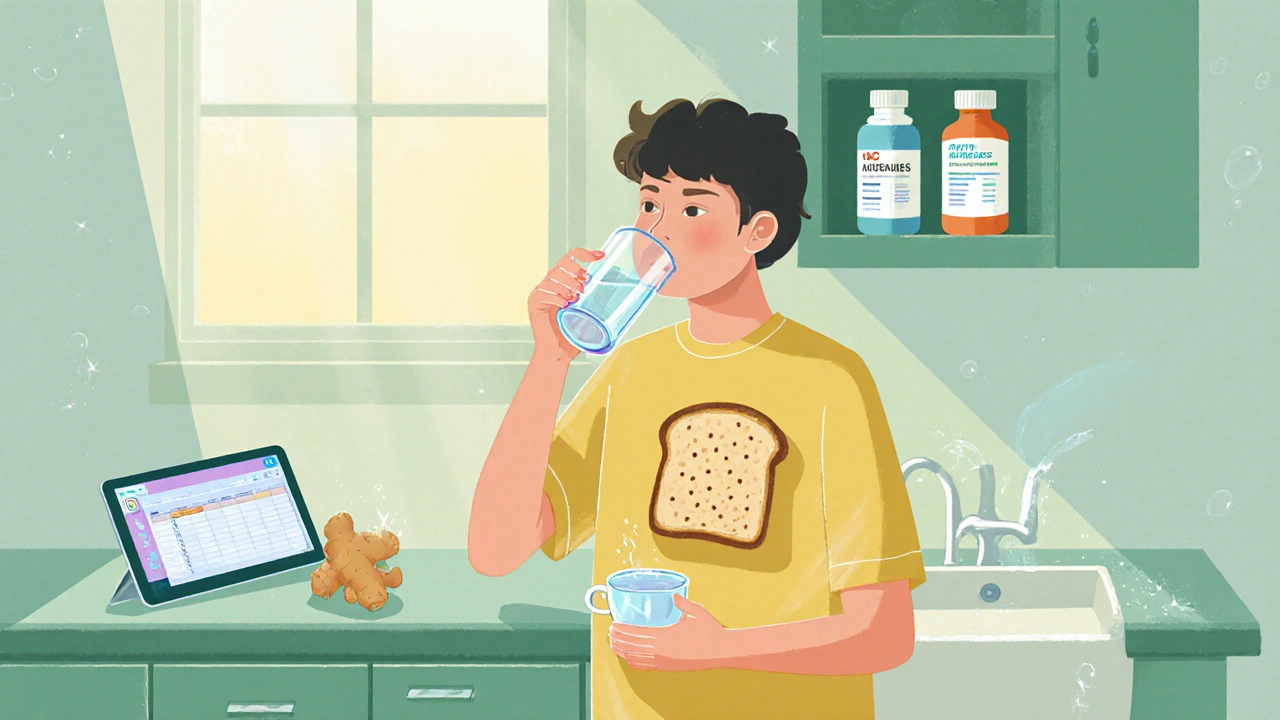
- Hydration: Sip clear fluids (water, oral rehydration solutions) every 15-20minutes.
- Diet: Stick to the BRAT diet (bananas, rice, applesauce, toast) for 24‑48hours, then gradually re‑introduce bland foods.
- Over‑the‑counter (OTC) meds: Antacids (calcium carbonate) for acid‑related pain; bismuth subsalicylate for diarrhea.
- Rest: Give the gut a break; avoid intense exercise until symptoms settle.
Targeted medication
If a doctor identifies a specific condition, they may prescribe:
- Proton pump inhibitors (PPIs) - for ulcers or GERD.
- Antibiotics - for bacterial gastroenteritis (e.g., Ciprofloxacin).
- Anti‑emetics - such as Ondansetron for severe nausea.
- Pancreatitis therapy - IV fluids, pain control, and sometimes Bile acid sequestrants if gallstones are involved.
When surgery is needed
Persistent gallstones or perforated ulcers may require operative intervention. Laparoscopic cholecystectomy (gallbladder removal) is the most common procedure for gallbladder‑related pain.
Prevention - Keeping Epigastric Pain at Bay
Most flare‑ups can be avoided with a few practical habits:
- Practice thorough hand washing, especially before meals, to curb infections.
- Limit high‑fat, spicy, and acidic foods that trigger reflux.
- Avoid excessive alcohol and smoking - both irritate the stomach lining.
- Manage stress through gentle exercise, meditation, or hobbies; stress can increase stomach acid.
- Take NSAIDs with food or switch to acetaminophen if you have a history of ulcers.
Keeping a symptom diary helps you spot patterns and discuss them with your healthcare provider.
Quick Checklist for At‑Home Relief
- Drink 1‑2L of clear fluids daily.
- Eat small, bland meals every 3‑4hours.
- Use OTC antacids for heartburn‑type pain.
- Rest and limit physical activity until pain eases.
- Monitor for red‑flag signs - seek help if they appear.
Frequently Asked Questions
Can gastroenteritis cause chronic epigastric pain?
Most gastroenteritis cases are short‑lived, but a severe infection can inflame the stomach lining enough to linger for a week or more. If pain persists beyond two weeks, another condition like an ulcer is more likely.
When should I use a proton pump inhibitor?
PPIs are best for confirmed acid‑related issues such as GERD, peptic ulcers, or frequent heartburn. They’re not needed for viral gastroenteritis unless you also have reflux symptoms.
Is it safe to take ibuprofen for epigastric pain?
Generally no. Ibuprofen can irritate the stomach lining and worsen pain. If you need a painkiller, acetaminophen is usually gentler on the gut.
How long does gastroenteritis typically last?
Most viral cases improve within 3‑5days. Bacterial infections can linger a week or longer, especially if untreated.
What home foods help soothe epigastric pain?
Plain toast, oatmeal, boiled potatoes, bananas, and clear broths are easy on the stomach. Ginger tea can also calm nausea.





Mary Davies
October 17 2025I've always been fascinated by how a simple bowl of chili can set off that gnawing, burning feeling right under the breastbone, and yet the same sensation can signal something far more serious like a hidden infection. It makes me wonder how often we dismiss the warning signs and just reach for antacids without probing deeper. Sometimes I keep a diary of my meals and symptoms, and the pattern that emerges can be eye‑opening. If anyone else has tracked their epigastric episodes, sharing that timeline might help us all spot the hidden culprits.