
GLP-1 Meal Planning Calculator
Calculate Your Meal Nutrition
Nutrition Feedback
Enter meal information to see if you're meeting GLP-1 side effect management guidelines.
GLP-1 Side Effect Management Tips
Managing GLP-1 side effects effectively requires a combination of strategic meal planning and careful dose titration. GLP-1 receptor agonists are a class of medications including semaglutide (Ozempic, Wegovy), liraglutide (Victoza, Saxenda), dulaglutide (Trulicity), and exenatide (Byetta, Bydureon) that were developed to treat type 2 diabetes and obesity by mimicking the incretin hormone glucagon-like peptide-1. These medications work by stimulating insulin secretion, suppressing glucagon release, and slowing gastric emptying, which contributes to their weight loss effects but also causes gastrointestinal adverse events.
According to a 2023 systematic review in PMC, 40-70% of patients experience gastrointestinal side effects from GLP-1 medications. Some studies report rates as high as 85%. Real-world data shows 15-25% of patients discontinue treatment due to GI intolerance. These side effects occur because the medications affect both the stomach and the brain's vomiting center. Understanding this mechanism is key to managing symptoms effectively.
How to Plan Meals for Better Tolerance
| Component | Recommended Amount | Why It Matters |
|---|---|---|
| Protein | 25-30g per meal | Stabilizes blood sugar and reduces nausea |
| Calories | 300-400 per meal | Prevents overwhelming the digestive system |
| Fats | <15g per meal | Reduces risk of diarrhea and abdominal pain |
| Simple Carbs | <20g per meal | Minimizes blood sugar spikes and GI distress |
| Fluids | 120-180ml with meals | Prevents bloating and delayed gastric emptying |
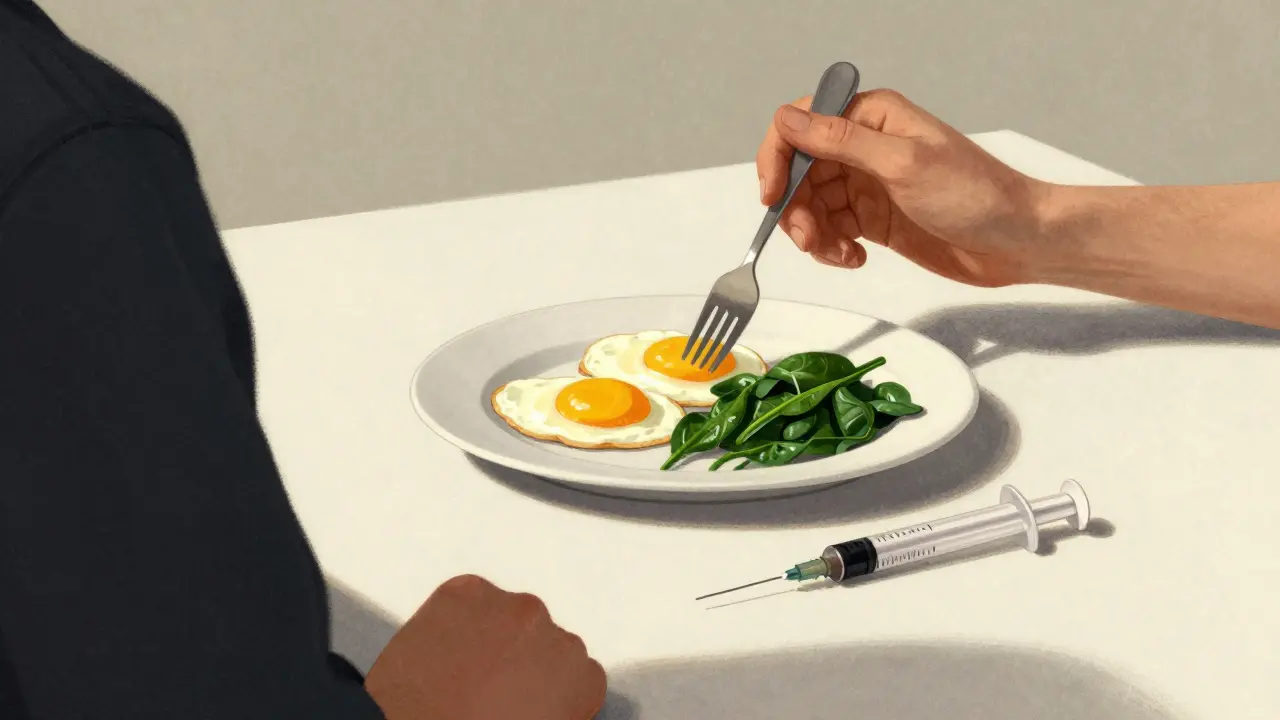
When managing GLP-1 side effects, meal composition matters more than you might think. Research shows patients who follow specific eating patterns experience 42% fewer severe symptoms. Start with small portions-aim for 300-400 calories per meal. Keep protein high at 25-30 grams per meal to stabilize blood sugar and reduce nausea. Limit fats to under 15 grams per meal and avoid more than 20 grams of simple carbs at once. For example, a breakfast of scrambled eggs with spinach (25g protein) and half an avocado (healthy fats) works better than a large cereal bowl. A 2023 Obesity Action Coalition survey found 65% of long-term users consistently followed these rules.
On Reddit's r/Ozempic community, user HealthyJourney2023 shared a simple but effective strategy: "Eating 20-25g protein within 30 minutes of waking, then 300-400 calorie meals with 25-30g protein each, avoiding >500ml fluids with meals." This approach reduced their daily nausea to once a week. Kaiser Permanente's patient portal reports 78% of patients who implemented small, frequent meals (5-6 per day) experienced significant symptom reduction within two weeks. Avoiding large meals is critical-82% of those discontinuing treatment in the first 8 weeks reported consuming meals exceeding 600 calories during titration.
Dose Titration Strategies That Work
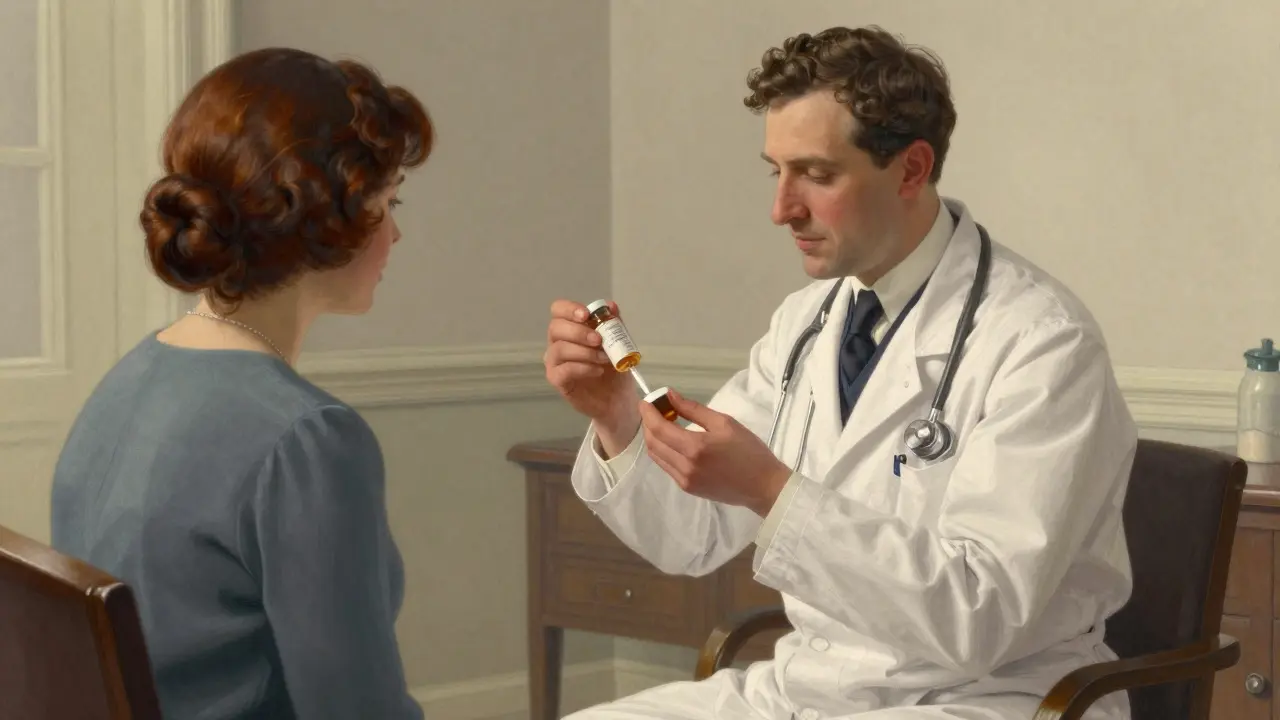
Different GLP-1 drugs have unique titration schedules. semaglutide (Wegovy) takes 16-20 weeks to reach the full dose, while liraglutide (Saxenda) takes 12-17 days. But the key isn't just following the timeline-it's adjusting based on your symptoms. If nausea hits, hold off on the next dose increase for 2-4 weeks. For severe symptoms like vomiting more than twice a week, pause the dose entirely for 7-10 days before restarting at the previous level. A 2023 JAMA Network study showed patients using symptom-guided titration had 37% lower discontinuation rates than those on fixed schedules.
The American Diabetes Association's 2024 Standards of Care introduced a "GLP-1 GI Tolerance Score" (0-10) to guide dose decisions. Scores above 4 mean holding off on dose increases. Experts like Dr. Daniel J. Drucker, a GLP-1 research pioneer, recommend "individualized titration based on symptom response rather than fixed timelines." This means waiting 1-2 weeks after symptoms resolve before increasing the dose. For patients with ongoing nausea, extending titration to 20-24 weeks reduces discontinuation rates by 35% compared to standard protocols.
Practical Tips for Daily Management
Timing is everything. Take your medication first thing in the morning with just water. Wait 30-60 minutes before eating your first meal. Space meals 3-4 hours apart and avoid eating late at night. Limit fluids to 120-180ml with meals-no carbonated drinks. If you feel nauseous, try a clear liquid diet for 24 hours, then move to bland foods like toast or rice. A Mayo Clinic study found that patients who ate 2 hours after their weekly injection saw nausea drop from severe to mild within days.
For those experiencing vomiting, the Cleveland Clinic recommends holding the dose for 7-10 days before restarting at the previous level. If symptoms persist, temporarily reducing the dose for 2-4 weeks can salvage 68% of patients who would otherwise stop treatment. The American Gastroenterological Association advises starting with clear liquids for 24-48 hours after initial dose if nausea occurs, then progressing to BRAT diet (bananas, rice, applesauce, toast) for 2-3 days before reintroducing normal foods.
Real-World Success Stories
On Reddit's r/Ozempic community, a user named HealthyJourney2023 shared how switching to high-protein, low-volume meals cut their daily nausea to once a week. Kaiser Permanente reported 78% of patients using small, frequent meals saw symptom relief within two weeks. These strategies aren't just theoretical-they work in real life. A 2023 GoodRx analysis of 10,000 patient reviews found that 82% of those discontinuing treatment in the first 8 weeks had consumed meals exceeding 600 calories during titration. This highlights how critical portion control is for maintaining treatment.
YouTube comments on GLP-1 educational content consistently highlight timing strategies. One top comment on a Mayo Clinic video states: "Eating 2 hours AFTER my weekly injection reduced nausea from severe to mild within 3 days - simple but game-changing." This simple adjustment, combined with proper meal composition, can make a significant difference in tolerating GLP-1 therapy.
How long do GLP-1 side effects last?
Nausea typically peaks around week 4 of treatment, then gradually improves. By week 56, only about 5.5% of users report ongoing nausea. Most side effects become manageable with proper meal planning and dose adjustments. Vomiting and diarrhea usually subside within 8-12 weeks for most patients.
What should I do if I vomit after taking my GLP-1 dose?
If vomiting occurs more than twice in a 7-day period, hold the dose for 7-10 days before restarting at the previous level. The American Diabetes Association recommends this approach to prevent further irritation. Do not take a double dose to make up for the missed one. Consult your healthcare provider if symptoms persist or worsen.
Can I take GLP-1 medications with food?
Yes, but timing matters. Take your medication on an empty stomach first thing in the morning with water, then wait 30-60 minutes before eating. Eating immediately after injection can worsen nausea. For once-weekly medications like semaglutide, taking it in the morning may reduce nausea by 25-30% compared to evening administration.
What's the best way to handle diarrhea from GLP-1 medications?
Stay hydrated with electrolyte-rich fluids like coconut water or broth. Avoid high-fiber foods and caffeine, which can worsen diarrhea. Stick to low-fat, low-fiber meals like white rice, bananas, and boiled chicken. If diarrhea persists for more than 48 hours, consult your doctor to rule out other causes and adjust your dose.
How does meal timing affect GLP-1 side effects?
Spacing meals 3-4 hours apart helps your digestive system process food without overwhelming it. Eating too frequently can increase nausea and bloating. Avoid late-night eating-finish meals at least 3 hours before bedtime. A 2023 study in Diabetes Care found that patients who followed consistent meal timing had 28% fewer severe GI episodes compared to those with irregular eating patterns.



Samantha Beye
February 5 2026I've been using semaglutide and the protein tips really helped. Keeping meals under 400 calories and 25g protein makes nausea manageable.