
What’s on Your Prescription Label - and Why It Matters
Every time you pick up a prescription, you’re handed a small piece of paper that could mean the difference between getting better and ending up in the hospital. Prescription labels aren’t just paperwork - they’re your safety guide. The FDA updated labeling rules in 2014 to make them clearer, but many people still miss key details. In fact, nearly 8 out of 10 patients misunderstand at least one instruction on their label, according to NIH research. That’s not because they’re careless. It’s because the labels are confusing, packed with abbreviations, and rarely explained.
Check the Patient Name First - Always
Before you even look at the medicine, confirm the name on the label matches yours exactly. It sounds obvious, but mix-ups happen. A mother picking up her child’s antibiotic might grab the wrong bag. A husband might pick up his wife’s blood pressure pill by accident. Pharmacy staff double-check names, but you need to too. If the name is wrong, don’t take it. Don’t assume it’s a typo. Call the pharmacy. Taking someone else’s medication can be dangerous - even deadly.
Know the Medication Name - Brand and Generic
Your label will list both the brand name (like Lipitor) and the generic name (atorvastatin). These are the same drug. Generic versions cost less and work the same way. But if you’re used to one brand and suddenly get a different-looking pill, it’s easy to panic. That’s why you need to check the generic name. If you’re unsure, ask your pharmacist: “Is this the same as the one I took last month?” Many people stop taking their meds because they think the new pills are different - when they’re not.
Understand the Strength - Milligrams Matter
The strength tells you how much active ingredient is in each dose. It might say “20 mg” or “500 mg.” This is one of the most important pieces of information. If your doctor increased your dose from 10 mg to 20 mg, but you still think you’re taking the old dose, you could be underdosing - or overdosing. Always compare the strength to your previous prescription. If it’s different and you weren’t told why, call your doctor or pharmacist. Never guess.
Decode the Dosage Instructions - “Twice Daily” Doesn’t Mean “Every Two Hours”
This is where most people get it wrong. “Take one tablet twice daily” doesn’t mean every two hours. It means every 12 hours - like morning and night. “Take every 6 hours” means four times a day. “Take as needed” means only when you feel symptoms, not automatically. The NIH found that 23% of people with low health literacy think “twice daily” means every two hours. That’s a dangerous mistake. Write down the times you’ll take your medicine. Set phone alarms. Use a pill organizer. If the instructions say “take on an empty stomach,” that means at least one hour before or two hours after eating. Don’t assume you know what it means.
Look for Auxiliary Labels - They’re Not Optional
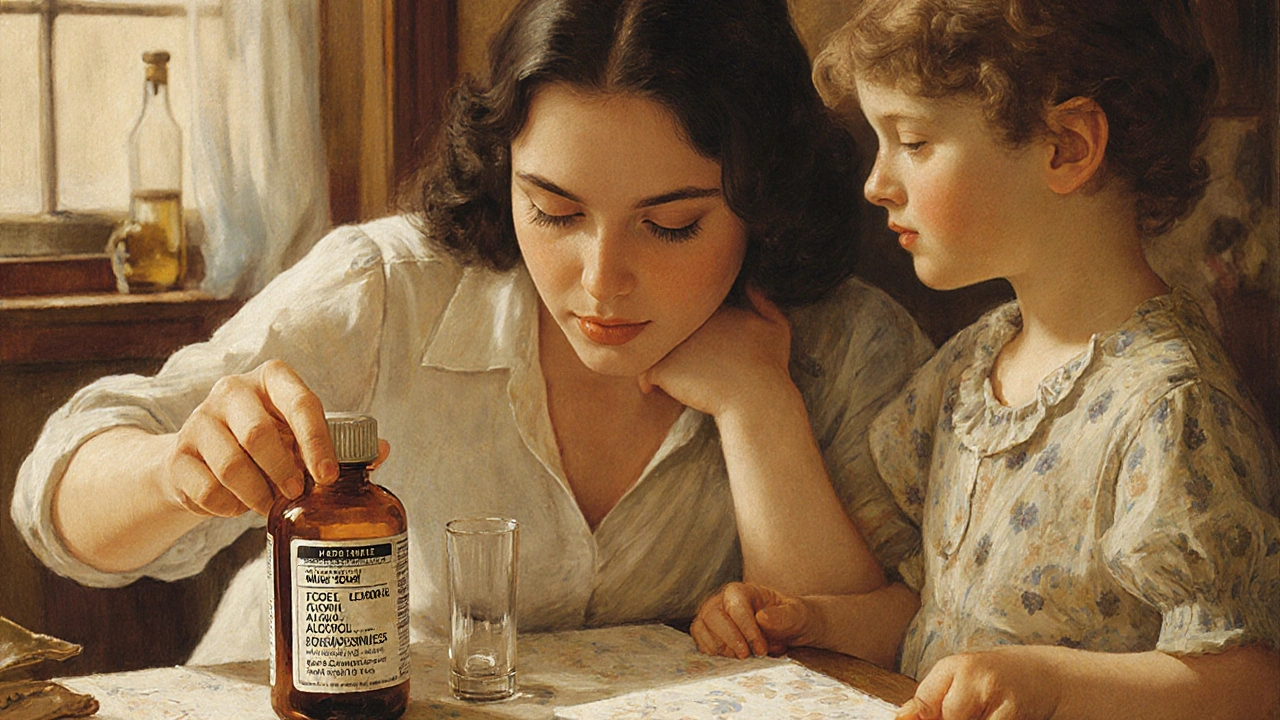
Those little stickers on the bottle? They’re not decoration. “Take with food” prevents stomach upset. “Avoid alcohol” stops dangerous interactions. “Refrigerate” keeps the medicine from breaking down. “May cause drowsiness” means don’t drive. “Avoid sunlight” prevents skin burns. These are critical safety notes. If you don’t see one and think you should - ask. Some pharmacies put them on automatically. Others don’t. Don’t risk it.
Check the Expiration Date - Old Medicine Can Be Harmful
Most prescriptions expire one year after they’re filled. Some, like insulin or eye drops, expire sooner. Expired medicine doesn’t always turn bad - but it can lose strength. If your blood pressure pill is six months past its date, it might not work. If your antibiotic is expired, it won’t kill the infection - and could make it worse. Throw out anything past its date. Don’t save it “just in case.”
Know How Many Refills You Have Left
The label says “Refills: 2.” That means you can get two more fills without a new prescription. When you’re down to your last refill, call your pharmacy at least five days before you run out. Don’t wait until you’re out. Your doctor might need to renew it, and that takes time. If the label says “No refills,” you need a new prescription - even if you feel fine. Stopping certain meds suddenly (like steroids or antidepressants) can cause serious side effects.
Find the Pharmacy Contact Info - Keep It Handy
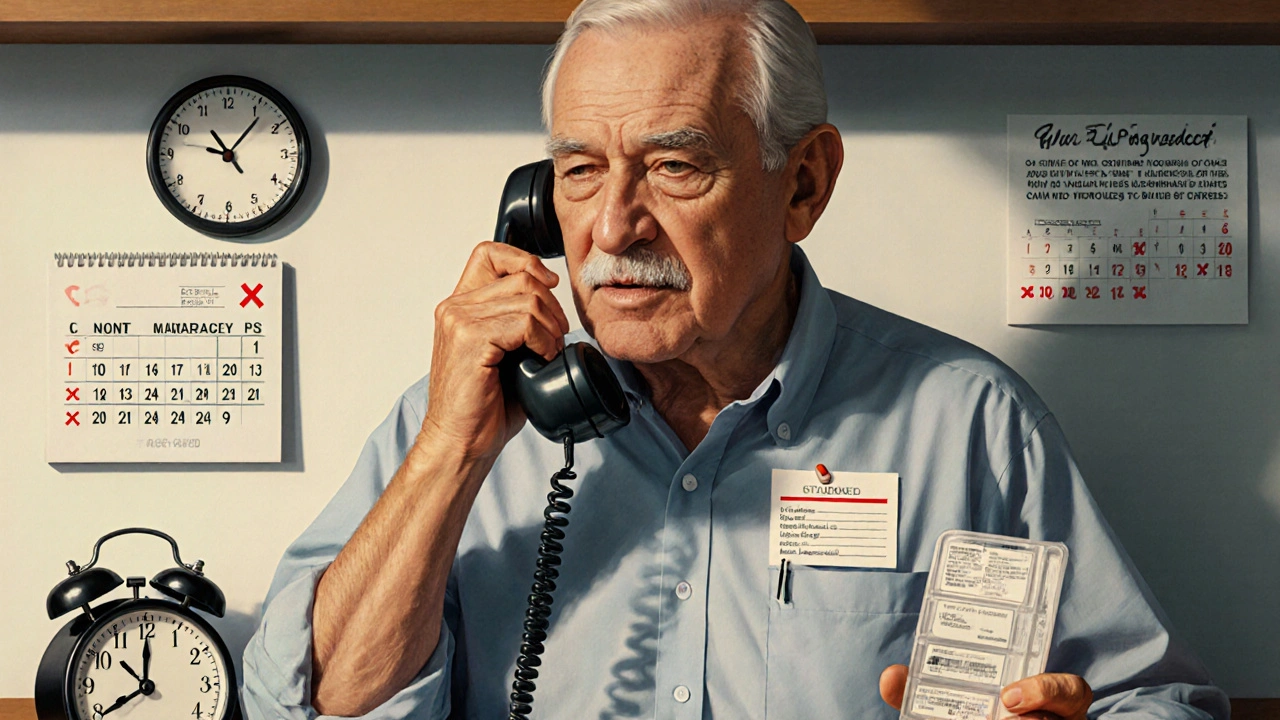
Your label will have the pharmacy’s name, phone number, and sometimes a website. Save that number in your phone. Don’t wait until you have a question to look it up. If you’re confused about the instructions, if the pills look different, if you feel a side effect - call them. Pharmacists are trained to explain labels. They want you to take your medicine right. Many people never call because they think it’s a bother. It’s not. It’s part of their job.
What About the Prescription Number and NDC?
You’ll see a prescription number (Rx#) and a National Drug Code (NDC). These are for the pharmacy’s use. You don’t need to memorize them. But if you call to refill or ask a question, having the Rx# handy helps them find your record fast. The NDC is an 11-digit code that identifies the exact drug, strength, and manufacturer. It’s useful if you’re researching your medicine online or reporting a side effect to the FDA. But for daily use? Focus on the name, strength, and instructions.
Seven Steps to Avoid a Medication Mistake
- Confirm your name on the label matches yours exactly.
- Verify the medication name - both brand and generic.
- Check the strength (e.g., 10 mg, 20 mg) against your last prescription.
- Read the dosage instructions out loud. If you’re unsure, ask the pharmacist to explain them.
- Look for auxiliary labels and follow every one.
- Check the expiration date before you take it.
- Know how many refills are left and call ahead when you’re running low.
When in Doubt - Ask
There’s no such thing as a dumb question when it comes to your medicine. If you don’t understand something, say so. Ask your pharmacist: “Can you show me how to take this?” or “What happens if I miss a dose?” or “Why does this look different?” Most pharmacists will spend a few extra minutes walking you through it. You’re not wasting their time - you’re helping them do their job better. And if you’re still confused after they explain, call your doctor. Better safe than sorry.
Why This Matters More Than You Think
Medication errors cause 1.5 million injuries in the U.S. every year. That’s more than car accidents. And nearly 70% of those are preventable - often because someone didn’t understand their label. The cost? Over $3.5 billion in extra medical bills. But the real cost is your health. Taking the wrong dose, mixing drugs, or skipping doses can lead to hospital stays, long-term damage, or even death. Reading your label isn’t just a good habit - it’s a life-saving habit.
What’s Coming Next
Some pharmacies are testing QR codes on labels that link to short videos explaining how to take the medicine - in multiple languages. Early results show a 40% drop in misunderstandings. By 2025, most U.S. pharmacies will offer digital label tools through their apps. But until then, the paper label is still your main tool. Don’t wait for technology to fix it. Read it yourself. Ask questions. Be your own advocate.




jaya sreeraagam
November 28 2025OMG I CANT BELIEVE I NEVER THOUGHT TO CHECK THE NAME ON THE LABEL BEFORE - I ONCE TOOK MY SISTER'S ANTIBIOTIC BECAUSE THE BOTTLE LOOKED THE SAME AND I WAS IN A HURRY. THANK YOU FOR THIS. I’VE STARTED SHOWING MY MOM HOW TO READ HER LABELS SHE’S 72 AND STILL TRUSTS THE PHARMACY TOO MUCH. NOW SHE CARRIES A LITTLE NOTEBOOK TO WRITE DOWN DOSAGE TIMES. WE’RE ALL LEARNING.