
When your pharmacist hands you a pill that looks completely different from what you’ve been taking for years, it’s natural to pause. Is this really the same medicine? Will it work just as well? These questions come up often when switching from a brand-name drug to its generic version - and they should. The truth isn’t as simple as "it’s the same thing" or "it’s inferior." It’s somewhere in between, and what you should expect depends on your medication, your body, and how the system works.
What exactly is a generic drug?
A generic drug is a copy of a brand-name medication. It contains the same active ingredient, in the same dose, and is meant to work the same way. The U.S. Food and Drug Administration (FDA) requires that generics meet strict standards: they must deliver the same amount of medicine into your bloodstream at the same rate as the brand-name version. This is called bioequivalence a regulatory standard requiring generic drugs to have the same therapeutic effect as the brand-name drug, typically within an 80-125% confidence interval for absorption rates. That means if your brand-name drug delivers 100 units of medicine over 4 hours, the generic must deliver between 80 and 125 units over the same time. Not perfect - but close enough for most people.
What’s different? The shape, color, size, and even the taste. These are controlled by trademark laws. You can’t make a generic look identical to the brand. That’s why your pill might go from a blue oval to a white capsule. The inactive ingredients - things like fillers, dyes, and preservatives - can also change between manufacturers. For most people, this doesn’t matter. But for a small number, these differences can trigger reactions. One patient switched from one generic levothyroxine to another and saw their TSH levels jump from 2.5 to 8.7 in six weeks. That’s not a fluke. It’s a real effect, even if it’s rare.
Why do pharmacies switch you to generics?
Cost is the biggest driver. Brand-name drugs can cost 10 to 20 times more than generics. In 2023, about 90% of all prescriptions filled in the U.S. were for generic drugs. That’s not because doctors prefer them - it’s because insurance plans and government programs push them. Many plans won’t cover the brand-name version unless you first try the generic. Or they charge you $50 for the brand and $5 for the generic. The Association for Accessible Medicines found that new patients abandoned brand-name prescriptions 266% more often than generics, mostly because of cost. If you’re paying $80 a month for your blood pressure pill and the generic is $12, you’re far more likely to take it.
But here’s the twist: while the drug itself is cheaper, switching can sometimes cost more in the long run. If you have a bad reaction - increased seizures, unstable thyroid levels, or unexpected side effects - you might need extra doctor visits, blood tests, or even emergency care. One study found that switching patients with epilepsy to generics led to higher hospitalization rates. The savings on the pill are real. The savings on your overall care? Not always.
When switching might cause problems
Not all drugs are created equal when it comes to switching. Some are very forgiving. Others are not. The FDA says generics are safe and effective - and for most drugs, that’s true. But there are exceptions. Drugs with a narrow therapeutic index a range between the effective dose and the toxic dose so small that even slight variations in blood levels can lead to treatment failure or serious side effects are risky. These include:
- Warfarin (blood thinner)
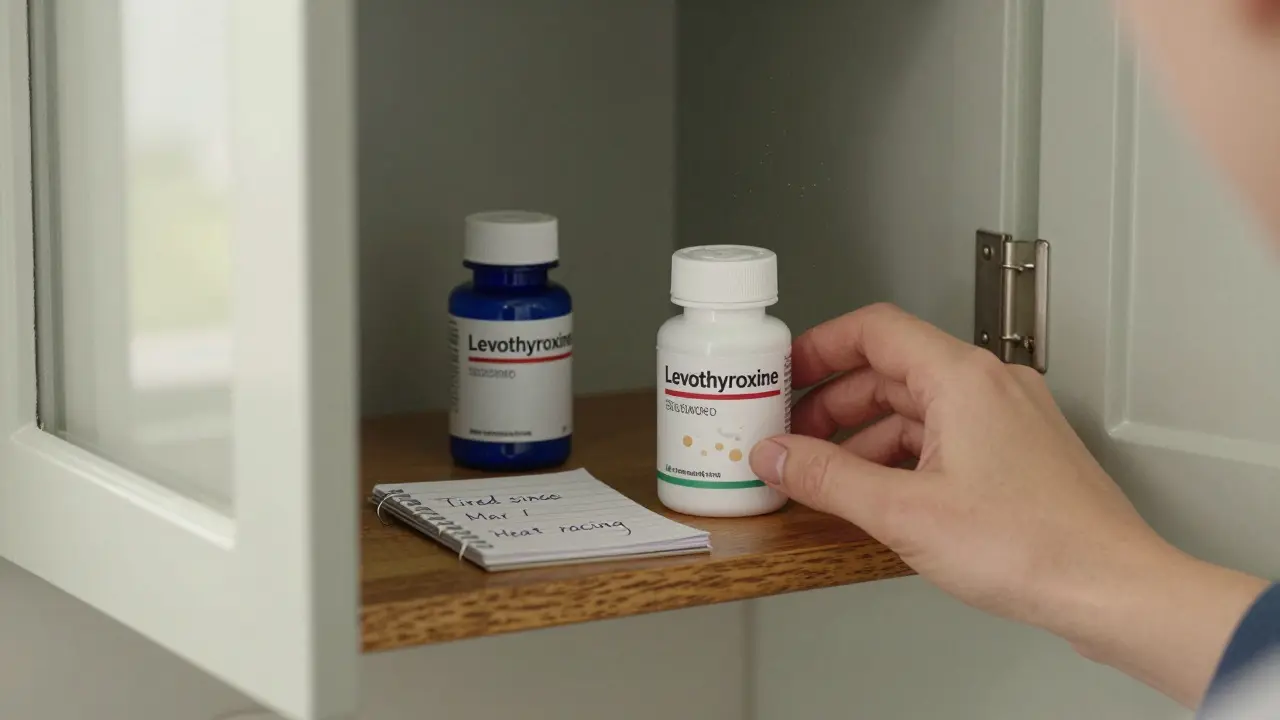
- Levothyroxine (thyroid hormone)
- Phenytoin and other anti-seizure drugs
- Cyclosporine (organ transplant drug)
- Lithium (for bipolar disorder)
Why? Because tiny changes in how much of the drug gets into your blood can make a big difference. A 10% drop in warfarin levels might mean your blood doesn’t thin enough - increasing stroke risk. A 10% rise might cause dangerous bleeding. With levothyroxine, even small shifts can throw your metabolism off. Patients who switched from Synthroid to generic levothyroxine have reported fatigue, weight gain, and heart palpitations. Some went back to the brand - and felt better.
These aren’t myths. They’re documented in studies and patient reports. A 2017 review of 30 studies found that epilepsy patients were the most likely to have problems after switching. Seizure frequency went up. Some patients needed to return to the brand-name drug to regain control.
What you might notice after switching
Most people feel nothing. That’s the norm. But some notice changes - not because the drug doesn’t work, but because their body is reacting to something new.
- Appearance change: Your pill looks different. That’s normal. Pharmacies switch manufacturers often. Your generic might come from one company one month and another the next.
- Side effects: New nausea, dizziness, or headaches? Could be the fillers or dyes. Rare, but possible.
- Effectiveness: If your condition starts to worsen - higher blood pressure, more seizures, mood swings - don’t assume it’s "just in your head." Talk to your doctor. It might be the switch.
- Confusion: If you’re on multiple medications, changing pill shapes and colors can lead to mistakes. One patient mixed up her blood pressure pill with her cholesterol pill because both became white capsules. She ended up in the ER.
Massachusetts, where pharmacists are legally required to substitute generics unless the doctor says "dispense as written," did a survey. Sixty-three percent of patients were worried at first. But after three months, 82% were satisfied. The key? Education. Knowing why the change happened helped.

How to protect yourself
You don’t have to accept every switch blindly. Here’s what you can do:
- Ask your doctor: If you’re on a drug with a narrow therapeutic index, ask if it’s safe to switch. Say: "Can we keep me on the brand?" or "Is there a reason we should avoid generics?"
- Check the label: When you pick up your prescription, look at the name of the manufacturer. If it’s different from last time, ask the pharmacist: "Is this the same generic I was on?"
- Monitor your symptoms: Keep a simple log: "Started new pill on March 1. Feeling more tired since day 3. No other changes." Bring it to your next visit.
- Know your rights: In many states, including Massachusetts, you can request the brand-name drug. You might pay more, but you’ll know what you’re getting.
- Use one pharmacy: If you use multiple pharmacies, they might not know you switched generics before. Stick to one. They’ll track your history.
Some pharmacies now put stickers on bottles: "This generic is from a different manufacturer than your last refill." It’s a small step, but it helps.
The bottom line
For most people, switching to generic drugs is safe, effective, and saves money. For others - especially those on critical medications - it can be risky. The FDA’s standards are strong. But real people have real reactions. And those reactions matter.
Don’t assume generics are always better. Don’t assume they’re always worse. The truth is: it depends. On your drug. On your body. On your situation. If you’re stable on your brand-name medication and it works, there’s no urgent need to switch. If cost is a barrier and you’ve never had issues with generics before, switching might be a smart move.
What you should expect? A change in appearance. A change in price. And sometimes - if you’re paying attention - a change in how you feel. Listen to your body. Talk to your doctor. And don’t be afraid to ask: "Is this switch really necessary?"
Are generic drugs really as effective as brand-name drugs?
For most medications, yes. The FDA requires generics to be bioequivalent to brand-name drugs, meaning they deliver the same active ingredient at the same rate and amount. Studies show they work just as well for conditions like high blood pressure, diabetes, and depression. But for drugs with a narrow therapeutic index - like warfarin, levothyroxine, or anti-seizure meds - small differences in absorption can matter. In those cases, some patients do better on the brand.
Why do generic pills look different?
Trademark laws prevent generic manufacturers from making their pills look identical to the brand-name version. That’s why color, shape, and size change. It’s not about quality - it’s about legal rules. The active ingredient is still the same. But if you’re used to a blue oval pill and suddenly get a white capsule, it can cause confusion or anxiety.
Can switching between different generic manufacturers cause problems?
Yes, especially if you’re on a medication with a narrow therapeutic index. Different manufacturers use different inactive ingredients - fillers, dyes, or coatings. For most people, this doesn’t matter. But for some, it can affect how the drug is absorbed. One patient switched from one generic levothyroxine to another and saw their TSH levels spike. This is rare, but documented. Pharmacies may switch manufacturers without telling you, so check your label each time.
Why do insurance companies push generics?
Because they’re cheaper. Generic drugs cost 80-90% less than brand-name versions. Insurance companies save billions by encouraging or requiring generics. Many plans won’t cover the brand unless you’ve tried the generic first. Or they charge you a much higher copay for the brand. The goal is to reduce overall drug spending, which helps keep premiums lower.
What should I do if I feel worse after switching to a generic?
Don’t ignore it. Contact your doctor. Keep a symptom log: when you switched, what changed, and how you’ve felt since. You may need a blood test to check drug levels. In many cases, going back to the brand-name drug - or staying on the same generic - can fix the issue. You have the right to ask for the original medication if you’re not doing well.
Generic drugs are a powerful tool for cutting healthcare costs. But they’re not one-size-fits-all. Your health is personal. Make sure your medication choices reflect that.



RacRac Rachel
March 2 2026Just switched my levothyroxine last month and felt like a zombie for two weeks. Fatigue, brain fog, the whole deal. Went back to Synthroid and boom - energy returned. FDA says it’s ‘bioequivalent’ but my body said ‘nope.’ Don’t let anyone tell you generics are always fine - if you’re stable, leave it alone. 💔