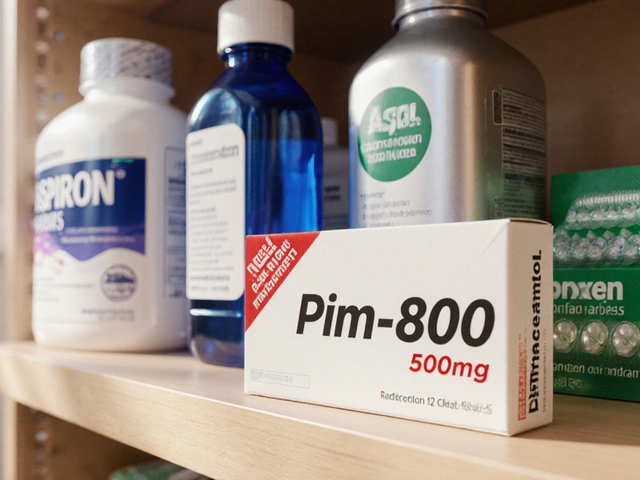
You bought a generic version of your regular medication online because it was half the price. It looked almost right, maybe slightly different in color or shape. You took it, but something felt off. Maybe it didn’t work at all, or worse, you developed strange side effects. This is not just a bad day; this could be a dangerous encounter with counterfeit medicine.
Fake drugs are no longer just a problem in distant markets. In 2026, sophisticated criminal networks use professional pill presses to create counterfeits that look identical to real medications. The Drug Enforcement Administration (DEA) seized over 134 million counterfeit pills between early 2023 and late 2024 alone. Many contained lethal doses of fentanyl or other synthetic opioids. For patients relying on generics for chronic conditions like hypertension, diabetes, or heart disease, taking a fake drug isn't just a waste of money-it’s a life-threatening risk.
Why Counterfeit Generics Are Harder to Spot Than Ever
In the past, fake pills were easy to identify. They might have been crushed chalk, colored sugar, or poorly printed tablets. Today, the game has changed. Criminals use high-resolution imaging and industrial-grade equipment to replicate every detail of legitimate packaging and pills.
Amy Callanan, Global Intelligence Lead at Pfizer Global Security, points out a harsh reality: laboratory testing is often the only way to confirm 100% if a medication is authentic. While there are visual clues, their absence doesn't guarantee safety. Modern counterfeits can mimic the weight, texture, and even the dissolution rate of real drugs. Some contain active ingredients but in wrong dosages-too little to work, or too much to kill.
The World Health Organization (WHO) reports that in some regions, more than 50% of malaria medicines contain no active ingredient at all. But the threat extends globally. Antibiotics, cardiovascular drugs, and erectile dysfunction medications are among the most commonly faked categories. When you buy from an unverified source, you aren't just risking efficacy; you're risking exposure to toxic fillers like drywall dust or heavy metals, which analysts detect using advanced spectroscopy.
Visual Checks: What to Look for on Your Pill and Packaging
While you can't perform mass spectrometry at home, you can still perform basic inspections. These checks won't catch every sophisticated fake, but they will filter out the obvious scams.
- Compare Side-by-Side: Keep a box of your known genuine medication. Compare the new package’s font style, color shades, spelling, and manufacturer name. Even slight deviations in logo placement or barcode quality can be red flags.
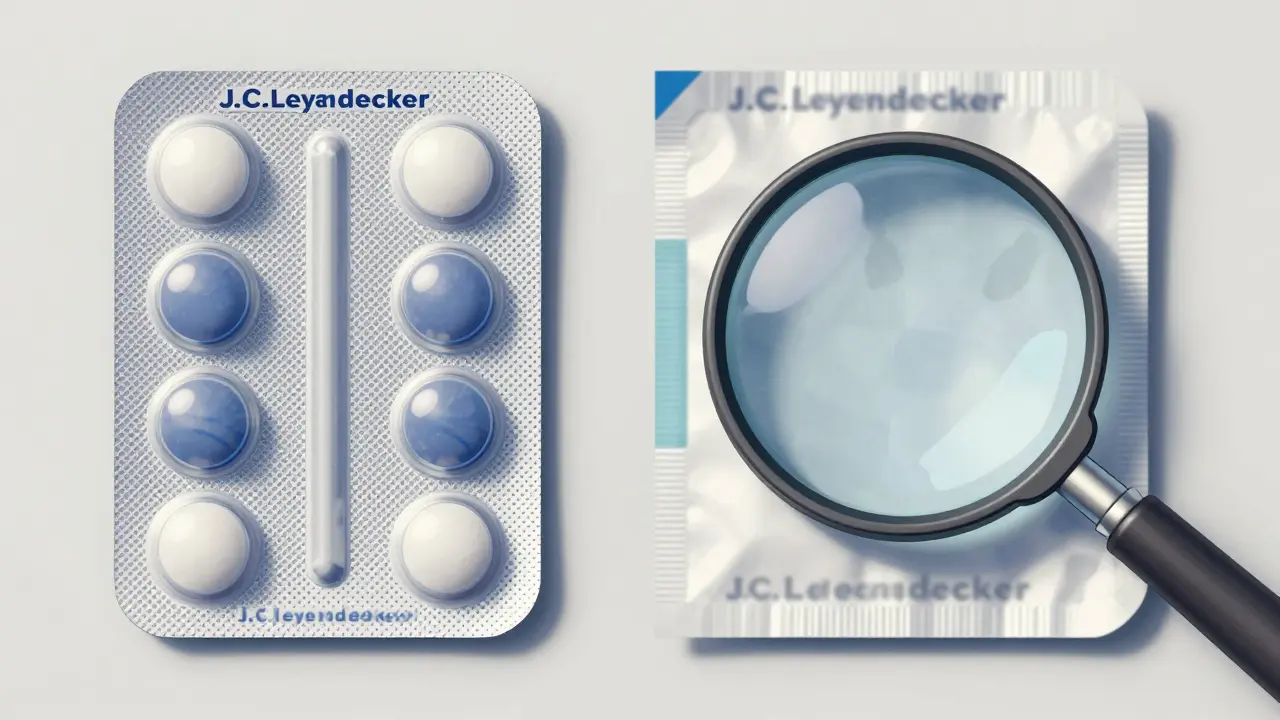
- Inspect the Pill Imprint: Legitimate pills have precise, crisp imprints of letters or numbers. Counterfeits often have blurred edges, shallow indentations, or misaligned text. If the imprint looks smudged or uneven, do not take it.
- Check the Seal: Tamper-evident seals should be intact. If the blister pack is loose, punctured, or glued shut suspiciously, discard it. Real pharmaceutical packaging uses heat-sealing technology that is difficult to replicate perfectly.
- Look for Holograms and Color-Shift Inks: Many major brands use overt security features. Hold the package at different angles. If a hologram looks flat or a color-shift ink doesn't change hue, it may be fake.
Remember, these are preliminary checks. As experts note, a lack of visible defects does not mean the drug is safe. Always cross-reference with digital verification methods when possible.
The Digital Trail: Verifying Online Pharmacies
The internet is the primary marketplace for counterfeit drugs. A 2022 survey by the National Association of Boards of Pharmacy (NABP) found that 96% of online pharmacy websites operate illegally. Most fail to require a valid prescription, dispensing controlled substances based on self-reported questionnaires.
To protect yourself, you need to verify the legitimacy of the website before entering any personal or payment information. Here is how to distinguish a safe site from a scam:
| Feature | Legitimate Pharmacy | Suspicious/Scam Site |
|---|---|---|
| Domain Extension | .pharmacy (Verified) | .com, .net, .org, or misspelled domains |
| Prescription Requirement | Requires valid prescription from licensed doctor | No prescription needed; quick questionnaire only |
| Pricing | Competitive but realistic prices | Prices significantly lower than market average ("Too good to be true") |
| Contact Information | Physical address and working phone number listed | No physical address, or address leads to a residential home/empty lot |
| Pharmacist Access | Licensed pharmacist available for consultation | No pharmacist contact; automated chatbots only |
The most reliable indicator is the .pharmacy domain. Launched in 2018, this top-level domain is strictly regulated. Only pharmacies that comply with licensing laws and regulations in their operating jurisdictions can obtain it. Amy Callanan advises consumers to specifically look for this domain extension. It acts as a digital badge of trust, verified by the NABP and international regulatory bodies.
Using Technology to Verify Authenticity
Technology is evolving faster than counterfeiting techniques. Pharmaceutical companies are embedding smart features into packaging to help consumers verify authenticity instantly.
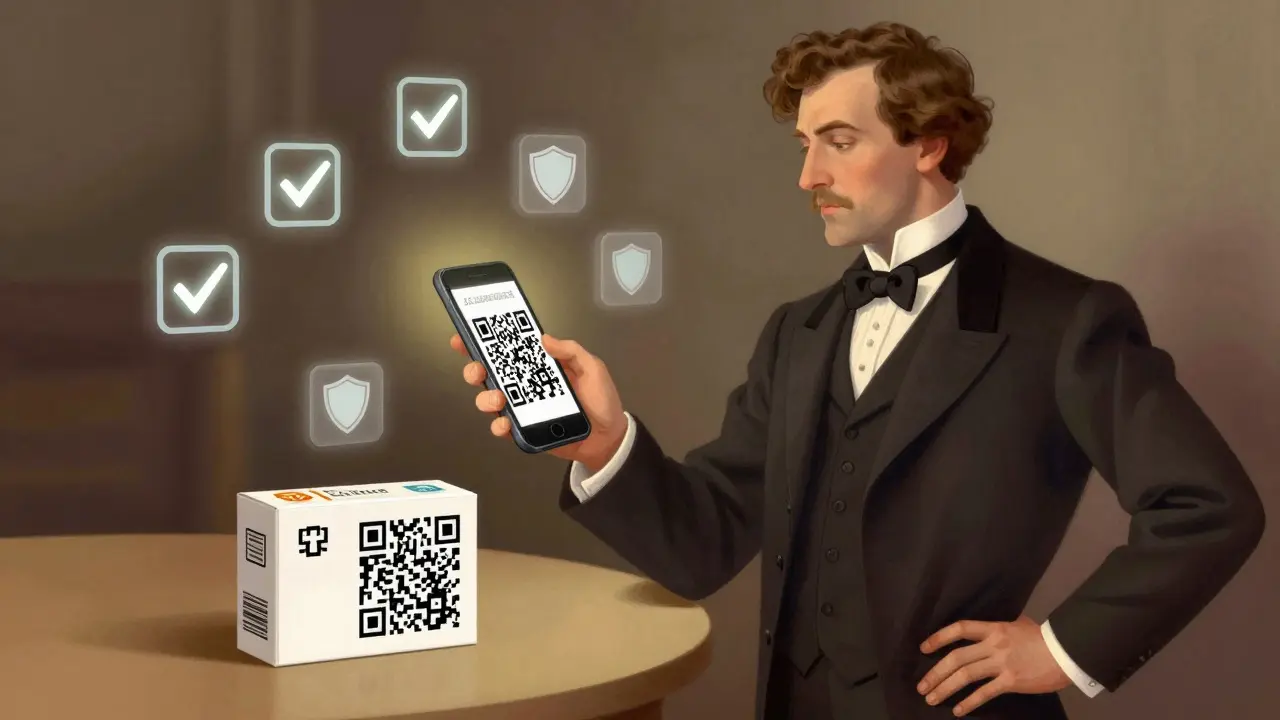
QR Codes and Track-and-Trace Systems: Many medications now come with unique QR codes or serial numbers. These are part of track-and-trace systems mandated by regulations like the FDA’s Drug Supply Chain Security Act. By scanning the code with a smartphone app, you can trace the product’s journey from manufacturer to pharmacy. Apps like MediGuard have scanned millions of products with high accuracy rates, confirming whether a specific batch is legitimate.
UV Light and RFID: Some packaging includes covert technologies invisible to the naked eye. UV-sensitive inks reveal hidden patterns under blacklight, while RFID tags allow supply chain partners to verify stock units. While consumers rarely carry UV lights, knowing these features exist helps you understand why certain packages feel "high-tech." If a brand typically uses these features and your package lacks them, report it immediately.
If you suspect your medication is fake, call the pharmaceutical company directly. They maintain databases of complaints and can check lot numbers against known counterfeit batches. Do not wait for symptoms to worsen.
Red Flags That Scream "Scam"
Beyond technical checks, human behavior and marketing tactics often give away fraudulent operations. Be wary of sites that exhibit these characteristics:
- Aggressive Marketing: Pop-ups claiming "90% Off" or "Free Shipping Worldwide" on prescription drugs are common on scam sites. Legitimate pharmacies operate within strict pricing guidelines and rarely engage in predatory discounting.
- Generic Templates: Scammers often copy-paste website designs. If multiple sites selling different drugs look identical, share the same copyright year, or use stock photos of smiling doctors, avoid them.
- Pressure Tactics: Countdown timers urging you to "Buy Now Before Stock Runs Out" are psychological triggers used by scammers. Real healthcare providers encourage thoughtful decision-making, not panic buying.
- Unusual Payment Methods: Legitimate pharmacies accept credit cards and secure payment gateways. If a site asks for wire transfers, cryptocurrency, or gift cards, it is a scam. These methods are untraceable and offer no buyer protection.
What to Do If You Suspect a Counterfeit Drug
If you experience unexpected side effects, lack of efficacy, or notice physical discrepancies in your medication, take immediate action:
- Stop Taking the Medication: Discontinue use immediately. Do not try to "finish the course" if you suspect contamination.
- Save the Evidence: Keep the pill, the packaging, and any remaining liquid. Take clear photos of the imprint, label, and seal. This evidence is crucial for investigations.
- Contact Your Healthcare Provider: Inform your doctor or pharmacist. They can assess your health status and provide alternative treatment if necessary.
- Report the Incident: File a complaint with relevant authorities. In the US, report to the FDA MedWatch program. In the UK, report to the MHRA. Globally, the WHO’s Global Surveillance and Monitoring System (GSMS) collects data on substandard and falsified medical products to coordinate international responses.
- Notify the Seller: If purchased online, contact the website’s support (if safe to do so) and demand a refund. Report the site to consumer protection agencies and the NABP if applicable.
Reporting helps regulators shut down illegal operations and prevents others from falling victim. Your vigilance contributes to public health safety.
Building a Safe Medication Routine
Prevention is always better than detection. Establish habits that minimize your risk of encountering counterfeit generics:
- Stick to Trusted Sources: Use local brick-and-mortar pharmacies or verified online platforms with the .pharmacy domain. Avoid peer-to-peer sales, social media ads, or unknown third-party sellers on large e-commerce platforms.
- Maintain a Medication Log: Record the appearance, lot number, and expiration date of each prescription refill. This creates a baseline for comparison when you receive new supplies.
- Educate Yourself on Your Medication: Know what your generic drug should look like. Ask your pharmacist to show you the authentic version during pickup. Familiarity breeds confidence in identification.
- Verify Prescriptions: Ensure your doctor sends prescriptions electronically to your chosen pharmacy whenever possible. This reduces the chance of interception or substitution by unauthorized parties.
The fight against counterfeit medicines requires collective effort. Regulatory bodies like the FDA, DEA, and WHO are implementing stricter track-and-trace laws and enhancing surveillance. However, as Dr. Mariângela Simão of the WHO warns, criminal networks evolve rapidly. Consumers must remain vigilant, skeptical of deals that seem too good to be true, and proactive in verifying their sources.
Your health is not negotiable. By understanding the signs of counterfeit generics and adhering to safe purchasing practices, you protect yourself from harm and undermine the illicit trade that profits from vulnerability.
Can I tell if a generic drug is fake just by looking at it?
Not always. Modern counterfeits are highly sophisticated and may look identical to genuine drugs. However, you can look for inconsistencies in packaging print quality, pill imprint clarity, and tamper-evident seals. Absence of obvious flaws does not guarantee authenticity; laboratory testing is the only definitive method.
Is it safe to buy generic medications online?
Yes, but only from verified sources. Look for the .pharmacy domain extension, which indicates compliance with licensing laws. Ensure the site requires a valid prescription, provides a physical address, and offers access to a licensed pharmacist. Avoid sites offering unrealistic discounts or no-prescription sales.
What should I do if my medication tastes different or works differently?
Contact your healthcare provider immediately. Changes in taste, color, size, or efficacy can indicate a counterfeit product or a different manufacturer. Do not stop taking essential medications without medical advice, but seek evaluation to ensure you are receiving the correct treatment.
How do pharmaceutical companies prevent counterfeiting?
Companies use overt features like holograms and color-shift inks, covert technologies like UV inks and RFID tags, and track-and-trace systems with unique QR codes. These measures make replication difficult and allow consumers and regulators to verify authenticity throughout the supply chain.
Where can I report suspected counterfeit medicines?
In the US, report to the FDA via MedWatch. In the UK, contact the MHRA. Globally, you can report through the WHO’s Global Surveillance and Monitoring System (GSMS). Providing detailed information and samples helps authorities investigate and shut down illegal operations.