
Switching from a brand-name medication to a generic version sounds simple-cheaper, same active ingredient, right? But for many people, that switch isn’t harmless. It can mean a return of symptoms, new side effects, or even dangerous health setbacks. If you’ve noticed something off after switching to a generic, you’re not imagining it. And you don’t have to accept it without a fight.
Why Some People Can’t Switch to Generics
Generic drugs are required to have the same active ingredient as the brand-name version. The FDA says they’re bioequivalent, meaning they should work the same way in your body. But here’s the catch: bioequivalence doesn’t mean identical. Generics can differ in inactive ingredients-dyes, fillers, preservatives, and coatings. These don’t treat your condition, but they can trigger reactions.For example, some people are sensitive to lactose, gluten, or artificial colors used in generics. One patient with epilepsy reported three seizures in two months after switching from brand-name Keppra to its generic version. After going back to the brand, her seizures stopped. That’s not rare. Studies show a 23% higher chance of seizure recurrence when switching anti-epileptic drugs to generics.
Same goes for blood thinners like warfarin. A 2022 study found patients who switched between different generic versions had a 17% higher rate of emergency room visits due to unstable INR levels. Why? Because even small changes in how the drug is absorbed can throw off critical blood levels. Your body doesn’t care if the pill costs $5 instead of $50-it cares if it works.
Medications with a narrow therapeutic index are especially tricky. That means the difference between a safe dose and a dangerous one is tiny. Levothyroxine, digoxin, and some psychiatric drugs fall into this category. Even if the active ingredient is the same, the way it’s released in your body might not be. That’s why doctors often recommend staying on brand for these.
What to Bring to Your Doctor’s Appointment
Talking to your doctor about staying on brand isn’t about being stubborn. It’s about giving them real evidence. Show up prepared. Here’s what helps:- A symptom diary: Write down when you switched, what symptoms started, how bad they were (rate them 1-10), and when they improved or went away. Include dates.
- Lab results: If your blood levels changed-like INR for warfarin or TSH for thyroid meds-bring copies. Numbers don’t lie.
- Pharmacy records: Ask your pharmacy for a printout of your medication history. It shows exactly when you switched.
- The pill itself: Bring a sample of the brand-name pill you were taking. If the generic looks or tastes different, point it out. Taste, smell, and texture matter more than you think.
Use the SBAR method to structure your talk:
- Situation: "I switched to the generic version of my medication last month, and since then, I’ve had [symptom]."
- Background: "I was stable on the brand for years. I didn’t have this issue before."
- Assessment: "I believe the switch is causing this because [symptom] went away when I went back to the brand."
- Recommendation: "Can we keep me on the brand-name version? I have documentation to support this."
This approach works. Studies show 78% of doctor visits using SBAR lead to a positive outcome for patients asking to stay on brand.
Insurance Is the Real Hurdle
Even if your doctor agrees, your insurance might not. Most plans automatically switch you to generics unless the doctor jumps through hoops. That’s where prior authorization comes in.Your doctor will need to fill out paperwork proving medical necessity. They might need to show:
- Proof you tried the generic and had a bad reaction
- Lab results showing instability
- Documentation of an allergy to an inactive ingredient
Don’t wait for your doctor to ask for this. Bring your records with you. The more you give them, the easier it is to write the letter. Some doctors spend 15-30 minutes per patient just on this paperwork. If you make it simple for them, they’re more likely to fight for you.
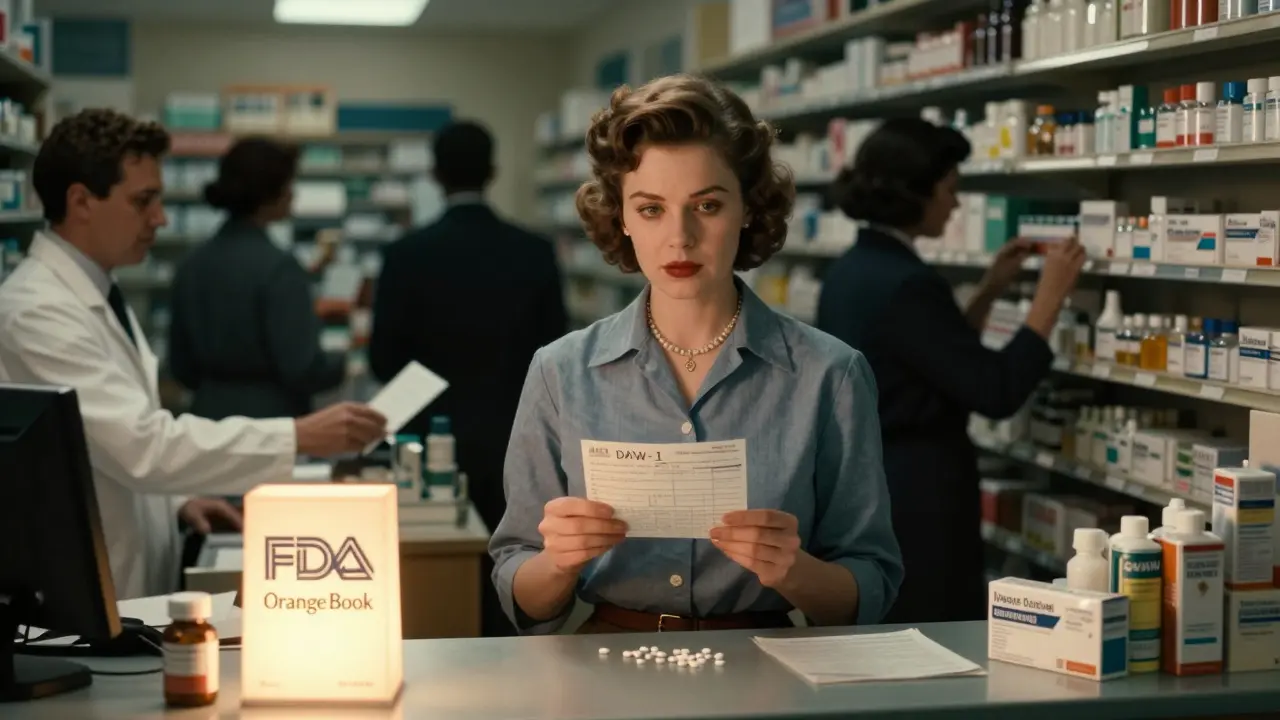
Also, ask your doctor to write "Dispense as Written" (DAW-1) on the prescription. That code tells the pharmacy: "Do not substitute. This is medically necessary." Without it, the pharmacist may still switch you-even if your doctor wanted you on the brand.
Appeals work. About 72% of denied requests for brand-name drugs are approved when patients appeal with solid documentation. You have rights. Use them.

Know Your Medication’s Therapeutic Equivalence
Not all generics are created equal. The FDA rates them in the Orange Book. Look up your drug there. Some have an "AB" rating-meaning they’re considered fully interchangeable. Others have "BX" or "NR" ratings, meaning they’re not recommended for substitution.For example, levothyroxine has multiple generics with different ratings. One might be AB-rated, but another isn’t. If your doctor says "they’re all the same," ask them to check the Orange Book. You can search it for free at fda.gov/orangebook. If your drug has a non-AB rating, that’s your strongest argument.
Also, check the inactive ingredients on the generic’s label. If you’re allergic to dyes, gluten, or lactose, compare them to the brand. If the generic has something the brand doesn’t, that’s a medical reason to stay on brand.
What to Do If Your Doctor Says No
Sometimes, doctors say no because they’re pressured by insurance or think generics are always fine. If that happens:- Ask for a referral to a specialist-like an endocrinologist or neurologist-who understands the risks for your condition.
- Request a second opinion. You have the right to one.
- Ask if your drug is covered under a specialty tier. Some brand-name drugs are still covered without prior auth if they’re classified as specialty meds.
Also, check if your drug is on the Medicare Part D exceptions list. If it is, you can file a formal exception request. You’ll need your doctor’s support, but it’s doable. In 2022, 57% of these requests were approved with proper documentation.
Final Thoughts: Your Voice Matters
You’re not asking for luxury. You’re asking for stability. For safety. For a treatment that works for you.Generic drugs save billions every year. That’s important. But they’re not magic. For some people, the small differences matter. A lot.
If you’ve had a bad experience with a generic, you’re not alone. Thousands have. And you have the right to speak up. Bring your facts. Be clear. Be calm. But don’t back down.
Can I legally insist on staying on a brand-name drug?
You can’t force your insurance to pay for it, but you can legally request it. If your doctor writes "Dispense as Written" (DAW-1) and provides clinical documentation-like lab results or allergy history-you have a strong case. Insurance companies must review appeals, and many are overturned when you have solid evidence. You have the right to appeal a denial.
Are generics always as effective as brand-name drugs?
For most drugs, yes. But for medications with a narrow therapeutic index-like levothyroxine, warfarin, or certain seizure drugs-small differences in how the drug is absorbed can cause real problems. Studies show higher rates of treatment failure, hospital visits, and side effects in these cases. The FDA allows generics to vary by up to 20% in absorption rate, which can be enough to disrupt stable treatment.
What if my doctor says generics are "just as good"?
Ask them to check the FDA’s Orange Book for your drug’s therapeutic equivalence rating. If it’s rated "BX" or "NR," that means substitution isn’t recommended. Also, ask if they’ve seen patients like you have trouble after switching. Many doctors assume generics work the same for everyone, but real-world data shows otherwise for specific populations.
Can I switch back to the brand if I’m already on a generic?
Yes. Talk to your doctor about reversing the switch. If you’ve had a negative reaction, document it. Your doctor can request prior authorization for the brand. Some pharmacies will even hold onto your original prescription if you ask. Don’t wait until you’re in crisis-act as soon as you notice a change.
Is there a list of drugs where brand is strongly recommended?
Yes. The FDA and professional organizations like the American College of Physicians list drugs where switching can be risky. These include levothyroxine, warfarin, phenytoin, carbamazepine, and some antidepressants like bupropion. Check the FDA’s Orange Book or ask your pharmacist for a list of drugs with non-AB ratings. If your drug is on that list, you have a strong case to stay on brand.
Next Steps
- Check your medication’s rating in the FDA’s Orange Book.
- Start a symptom journal if you haven’t already.
- Request your pharmacy records and lab history.
- Bring all this to your next appointment.
- Ask for DAW-1 on your prescription.
If you’ve been told to just "get used to it," remember: your body isn’t a lab test. It’s yours. And you deserve a treatment that works.





THANGAVEL PARASAKTHI
February 7 2026Been on generic levothyroxine for a year now and my TSH went from 2.1 to 6.8. No joke. I felt like a zombie. Went back to brand, back to normal in 3 weeks. Doctors act like it's all in our heads, but the numbers don't lie. Bring your lab reports. Don't let them gaslight you.