
Recovery Timeline Calculator
This calculator estimates the potential recovery timeline after stopping performance-enhancing drugs based on usage patterns. Note: These are estimated ranges based on medical studies and may vary significantly based on individual factors.
Every year, thousands of athletes-some competitive, most not-take medications not to heal, but to push past their natural limits. They’re not always using illegal steroids. Sometimes it’s caffeine pills, testosterone creams, or supplements labeled "not for human consumption." But the line between boosting performance and risking your life is thinner than most think.
What Are Performance-Affecting Medications Really Doing?
It’s easy to think of performance-enhancing drugs as something only elite athletes use. But the truth? Most users are regular gym-goers. A 2023 study from the University of Colorado found that 60-80% of people using anabolic steroids aren’t competing in anything. They’re just trying to look bigger, recover faster, or feel stronger. And they’re not alone.
These drugs work by hijacking your body’s natural systems. Anabolic steroids like nandrolone or stanozolol mimic testosterone, forcing your muscles to grow faster than they ever could naturally. Stimulants like amphetamines or high-dose caffeine flood your brain with dopamine and norepinephrine, making you feel alert, fearless, and ready to push harder. Blood doping increases red blood cell count, letting your muscles use oxygen more efficiently. And peptides like HGH trick your body into thinking it needs to repair and build tissue at an accelerated rate.
The results? In just 6-12 weeks, users can gain 10-20% more muscle mass than they ever could naturally. Recovery time drops by 30-50%. Endurance improves noticeably. But none of this comes without a cost.
The Hidden Health Risks No One Talks About
Most people focus on the gains. Few talk about what happens after the cycle ends-or worse, what happens while it’s still going.
Cardiovascular damage is the most dangerous. Studies show anabolic steroid users develop 27-45% more heart muscle mass than non-users, even after adjusting for body size. This isn’t healthy growth. It’s thickening, scarring, and stiffening of the heart walls. Echocardiograms reveal reduced pumping efficiency-up to 12% lower ejection fractions. The American Heart Association confirmed in 2022 that steroid use raises the risk of major heart events by 36%. Some users under 30 have suffered heart attacks. Others developed heart failure in their late 20s.
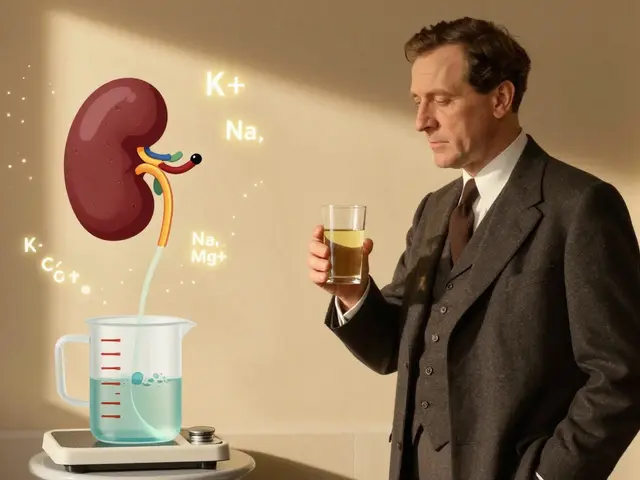
Liver damage is common with oral steroids. Up to 68% of users show elevated liver enzymes, a sign of stress or injury. Long-term use can lead to tumors, jaundice, or even liver failure. Kidneys aren’t safe either. Creatinine clearance drops by 15-25% in chronic users, meaning the kidneys struggle to filter waste.
Hormones get thrown out of whack. Men often see testicle shrinkage to the size of a pea (normal volume: 15-25 mL). Sperm counts crash below 1 million/mL (normal is over 15 million). Testosterone production shuts down. In 90% of cases, it takes 6-12 months to come back-sometimes never. A 2023 Reddit survey of 1,200 users found 62% needed medical help just to restore natural hormone levels after stopping.
Women face irreversible changes: voice deepening in 35% of cases, clitoral enlargement beyond 2.5 cm, and permanent facial hair. These aren’t side effects you can undo with time or therapy.
The Psychological Toll Is Just as Real
It’s not just your body that suffers. Your mind gets dragged through the mud.
Studies show 83% of recreational steroid users experience severe mood swings-rage, paranoia, aggression. One user described it as "feeling like a bomb about to go off." During the cycle, you feel invincible. After? Depression hits hard. Sixty-seven percent report clinically diagnosed depression during off-cycles. Some need therapy. Others end up in emergency rooms.
One Reddit user wrote: "I gained 25 lbs of muscle in 10 weeks. Then I lost it all in 8 weeks off-cycle. I couldn’t get out of bed. I cried for no reason. I felt like a ghost of myself." That’s not weakness. That’s chemistry.
And the cycle repeats. Because when you feel like a version of yourself that’s stronger, faster, and more confident, you don’t want to go back. So you keep using. You stack more drugs. You extend your cycles. You ignore the warning signs. Until your body breaks.
"Safer" Alternatives? Think Again
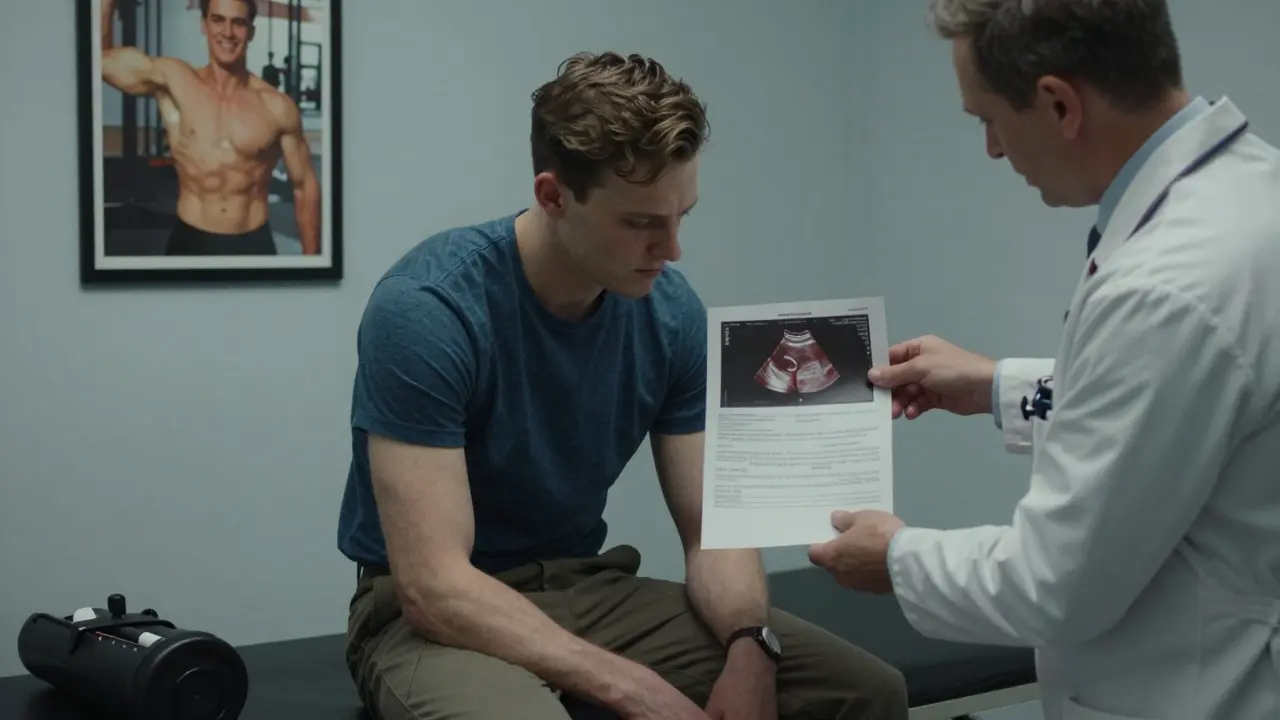
Many turn to SARMs-Selective Androgen Receptor Modulators-thinking they’re the smart choice. They’re marketed as "legal steroids," "muscle builders," or "anti-aging solutions." Some are even sold in wellness clinics as "bio-identical hormones."
Here’s the truth: 89% of SARMs products tested by the FDA in 2021 didn’t contain what was on the label. Some had liver-toxic compounds. Others had unapproved steroids. A few had estrogen blockers that caused severe hormonal crashes.
And there’s no long-term safety data. No one knows what happens after 5 or 10 years of use. What we do know? SARMs still suppress natural testosterone. They still damage the liver. They still cause mood swings. And they’re harder to detect, which makes them popular among people trying to avoid testing.
WADA added three new SARMs to its monitoring list in 2023. That doesn’t mean they’re safe. It means they’re everywhere.
Why Doctors Miss It-And Why You Should Tell Yours
Here’s a shocking stat: 7 out of 10 family doctors don’t recognize steroid use in their patients during routine checkups. Why? Because users don’t tell them. And the symptoms-low testosterone, high blood pressure, mood changes-look like normal aging or stress.
A 2021 AAFP report found that 42% of recreational athletes who use performance drugs never mention it to their doctor. That’s dangerous. Without medical oversight, users don’t get blood work. They don’t get heart scans. They don’t get warned about the risks.
If you’re using any substance to enhance performance-even if you think it’s "legal" or "natural"-tell your doctor. Not to get in trouble. But to protect your health. They can help you monitor your liver, heart, and hormones. They can help you come off safely. And they can connect you to real solutions, not dangerous shortcuts.
What About Therapeutic Use Exemptions (TUEs)?
Some athletes get permission to use banned substances for legitimate medical reasons-like asthma inhalers or hormone replacement for diagnosed hypothyroidism. But TUEs aren’t a loophole for feeling better or looking better.
To qualify, you need documented proof of a medical condition. For testosterone replacement, you must show two blood tests with levels below 250 ng/dL. You can’t get a TUE just because you’re tired or want to build muscle faster. And even with a TUE, you’re still monitored. Your levels are tracked. Your health is checked.
Most recreational users don’t have a TUE. And they shouldn’t. Because they’re not treating illness. They’re chasing an image.
What Happens When You Stop?
Coming off performance drugs isn’t like quitting caffeine. It’s like turning off a machine your body forgot how to run on its own.
Post-cycle therapy (PCT) is often used to kickstart natural hormone production. But it doesn’t always work. In fact, 38% of chronic users develop long-term hypogonadism-meaning their bodies stop making testosterone permanently. They need lifelong replacement therapy.
And muscle loss? It’s fast. Most users lose 40-60% of their gains within 8-12 weeks after stopping. That’s not just disappointment. It’s a psychological blow. Many return to drugs because they can’t handle the crash.
Recovery isn’t just about hormones. It’s about rebuilding trust in your body. Learning that strength doesn’t come from a pill. That endurance isn’t bought. That real progress takes time, patience, and consistency.
The Bigger Picture: Why This Keeps Happening
The global market for performance-enhancing drugs is growing fast-projected to hit $683 million by 2027. But underground sales? Those are invisible. Online shops, private labs, Instagram influencers selling "research chemicals"-they’re everywhere.
And the culture is changing. A 2023 University of Michigan survey found 58% of gym-goers have no moral problem with using these drugs if they’re not competing. That’s not just dangerous. It’s a public health crisis in the making.
We’ve normalized pushing past limits. We glorify extreme transformations. We ignore the cost. But your body doesn’t lie. Your heart doesn’t lie. Your hormones don’t lie.
There’s no shortcut to lasting strength. No pill that replaces sleep, nutrition, or recovery. No compound that makes you invincible.
Real progress is slow. It’s messy. It’s frustrating. But it’s yours. And it lasts.
Are performance-enhancing drugs illegal for recreational athletes?
Yes. Even if you’re not competing, using anabolic steroids, SARMs, stimulants, or blood doping agents violates anti-doping rules set by WADA and most national sports organizations. Many of these substances are also classified as controlled drugs in the UK and US, making possession or purchase without a prescription illegal. Just because you’re not tested doesn’t mean it’s legal or safe.
Can you recover from steroid-induced hormone damage?
Sometimes, but not always. Many users regain natural testosterone production within 6-12 months after stopping, especially if they’re young and healthy. But 38% of chronic users develop permanent hypogonadism and need lifelong hormone replacement. Recovery depends on how long and how much you used, your age, and whether you got medical help during withdrawal. Early intervention improves outcomes.
Do SARMs really have fewer side effects than steroids?
No. SARMs are marketed as safer, but they still suppress natural testosterone, damage the liver, and cause mood swings. The FDA found 89% of SARMs products contain undisclosed, often toxic substances. There’s no long-term safety data. They’re not safer-they’re riskier because you don’t know what you’re actually taking.
Why do athletes keep using these drugs despite the risks?
Because the immediate rewards feel powerful: faster muscle growth, less fatigue, higher confidence. Many users believe they’re in control-or that they’ll stop before anything goes wrong. But addiction, psychological dependence, and the fear of losing gains make quitting harder than expected. Social pressure and normalized use in fitness culture also play a big role.
Should I tell my doctor if I’m using performance drugs?
Yes. Your doctor isn’t there to judge you-they’re there to protect you. Without knowing you’re using these substances, they can’t check your liver, heart, or hormone levels. They can’t warn you about dangerous interactions. Telling them gives you a chance to manage risks, avoid complications, and get help if you want to stop.
Is there a safe way to use performance-enhancing drugs?
No. There is no safe way to use performance-enhancing drugs for non-medical reasons. Even under medical supervision, these substances carry serious, long-term risks. The only truly safe approach is to avoid them entirely and focus on proven methods: proper nutrition, rest, progressive training, and patience. Real results take time-but they last.
Final Thought: Your Body Isn’t a Project to Optimize
You don’t need a pill to be strong. You don’t need a shot to be fast. You don’t need a hormone to be worthy.
Every time you choose a shortcut, you’re telling your body it’s not enough. But your body-your heart, your muscles, your mind-is already enough. It’s resilient. It’s capable. It just needs time, care, and respect.
There’s no glory in a body built on borrowed chemistry. Only in one built by discipline, consistency, and courage.



Abby Polhill
December 23 2025Just read the part about SARMs and the FDA’s 89% mislabeling stat. That’s wild. I thought I was being smart going the ‘legal route’-turns out I was just gambling with my liver. My buddy’s been on them for 14 months and his ALT levels are through the roof. No one warned him. No one even asks.
It’s not even about the gains anymore. It’s about the illusion of control. We think we’re optimizing, but we’re just automating our own breakdown.