Imagine waking up one morning, checking your blood sugar, and seeing a number that hasn't been normal in years. For many people with severe obesity and Type 2 Diabetes is a chronic condition affecting how the body processes blood sugar (glucose), this moment feels impossible. Yet, for thousands of patients, it is the reality after undergoing Metabolic Surgery is surgical procedures designed to treat obesity and metabolic diseases like type 2 diabetes by altering gastrointestinal anatomy. Often called bariatric surgery, these operations are no longer just about fitting into smaller clothes. They are powerful medical interventions that can reset your metabolism.
You might wonder if cutting out part of your stomach or rerouting your intestines is worth the risk. The short answer is yes, but only if you understand what the data actually says. This isn't magic; it's biology. When we talk about outcomes, we aren't just looking at the scale. We are looking at whether your pancreas starts working again, whether your cholesterol drops, and whether you can stop taking those daily pills. Let’s look at the hard numbers behind weight loss and diabetes remission so you can make an informed choice.
How Much Weight Do You Actually Lose?
The most visible result of metabolic surgery is weight loss, but the amount varies depending on the procedure you choose. It is not a one-size-fits-all scenario. According to long-term data from the Swedish Obese Subjects (SOS) Study is a landmark prospective cohort study comparing health outcomes of obese patients treated with surgery versus conventional care, published in JAMA, patients who underwent surgery lost an average of 27.7% of their initial body weight over fifteen years. Compare that to the control group receiving standard medical therapy, who lost a negligible 0.2%. That gap is massive.
If you are considering specific procedures, here is how they stack up based on recent clinical trials:
- Roux-en-Y Gastric Bypass (RYGB): Patients typically lose about 19.9% of their total body weight over six years. This procedure involves creating a small stomach pouch and connecting it directly to the small intestine.
- Sleeve Gastrectomy: This involves removing about 80% of the stomach. While slightly less effective than bypass for some metrics, it still results in significant weight reduction, often around 15-20% of total body weight long-term.
- Biliopancreatic Diversion with Duodenal Switch (BPD/DS): This is the most aggressive option. It combines sleeve gastrectomy with intestinal bypass. It yields the highest weight loss percentages but carries higher risks of nutritional deficiencies.
Keep in mind that "excess weight loss" is a different metric. In the Annals of Surgery (2013), researchers found that diabetic patients achieved a mean excess weight loss of 55%. This means if you were 100 pounds over your ideal weight, you could expect to lose roughly 55 of those pounds. However, weight regain is real. About 10-15% of patients may regain some weight five to ten years later, which is why lifestyle changes remain critical even after the operation.
Diabetes Remission: The Real Game Changer
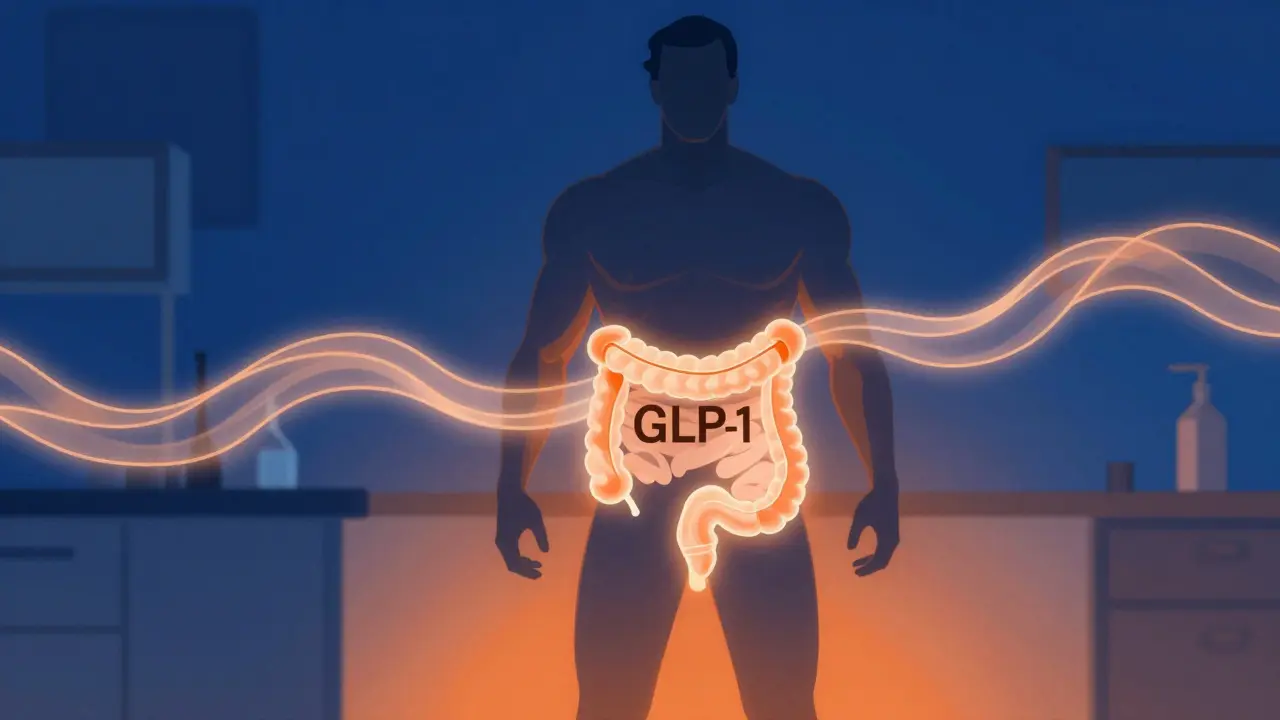
Weight loss is impressive, but the metabolic shift is where the true life-saving potential lies. Many patients assume they need to lose all the weight before their diabetes improves. That is a myth. Dr. Francesco Rubino from King's College London has documented that Type 2 Diabetes often resolves within days to weeks after RYGB-long before major weight loss occurs. This happens because the surgery alters gut hormones like GLP-1 and PYY, which improve insulin sensitivity independently of weight.
So, what are the actual remission rates? Here is the breakdown from authoritative sources like ASMBS and JAMA:
| Procedure | 1-Year Remission | 3-Year Remission | 5-Year Remission |
|---|---|---|---|
| Roux-en-Y Gastric Bypass | 42% | 38% | 29% |
| Sleeve Gastrectomy | 37% | 24% | 23% |
| Biliopancreatic Diversion | 95.1% | Data limited | Data limited |
| Medical Therapy Alone | 6.5% | 6.2% | Low single digits |
Notice the stark contrast between surgery and medical therapy. In the ARMMS-T2D trial published in JAMA (2024), seven-year data showed that 18.2% of surgical patients maintained diabetes remission compared to just 6.2% in the medical/lifestyle group. Even when full remission isn't achieved, glycemic control is significantly better. Dr. Philip Schauer noted that surgically treated participants used fewer medications and had a 19% reduced risk of microvascular disease for each year of remission achieved.
Who Is the Best Candidate?
Not everyone gets the same results. Your preoperative status plays a huge role in your postoperative success. If you are wondering if you qualify, look at these key predictors identified by the Diabetes Care journal (2016) and ASMBS guidelines:
- Insulin Status: Patients who do not require insulin injections before surgery have much higher remission rates (53.8%) compared to those who are insulin-dependent. Insulin resistance tends to be more severe in injectors, making reversal harder.
- Duration of Diabetes: The shorter you have had diabetes, the better your chances. If you have had T2DM for less than six years, your beta cells (the parts of the pancreas that make insulin) are likely still functional enough to recover.
- BMI Level: Historically, surgery was reserved for BMI ≥40. Now, guidelines support it for BMI 35-39.9 with uncontrolled diabetes, and increasingly for BMI 30-34.9. Interestingly, patients with lower BMIs (24-30) undergoing gastric bypass showed a 93% remission rate at one year in some studies, though sample sizes were smaller.
- Age: Younger patients generally experience faster hormonal responses and better long-term durability of remission.
If you fall outside these ranges, don't lose hope. Partial remission is still a win. It means you might need lower doses of medication or none at all, even if your blood sugar isn't perfectly normal without intervention.

Risks and Long-Term Considerations
We cannot discuss outcomes without talking about the downsides. Metabolic surgery is major surgery. It carries risks like any other operation, including bleeding, infection, and blood clots. However, the long-term trade-offs are more nuanced. The ARMMS-T2D study highlighted increased risks of nutritional deficiencies, particularly anemia, as well as gastrointestinal adverse events and bone fractures in long-term follow-up.
This means your job doesn't end when you leave the hospital. You will need lifelong monitoring. This includes regular blood tests for vitamin B12, iron, calcium, and Vitamin D. You must take supplements daily. Skipping them can lead to osteoporosis or severe anemia years down the line. Additionally, some patients experience dumping syndrome-a unpleasant reaction to sugary or fatty foods involving nausea, sweating, and diarrhea. Ironically, this side effect can help enforce dietary discipline.
Another concern is the durability of remission. The SOS study showed that while 72% of patients had diabetes remission at two years, this dropped to 36% at ten years. Why? Weight regain, aging, and the progressive loss of beta-cell function over time. As Dr. David Arterburn cautioned, the reduction in remission over time is related to the resolution of negative calorie balance and natural disease progression. Surgery is not a cure; it is a powerful tool that requires maintenance.
Surgery vs. Medical Management: The Verdict
Let’s compare the two paths directly. Intensive medical management, including new drugs like GLP-1 agonists (e.g., semaglutide) and very low-calorie diets (as seen in the DiRECT trial), can achieve impressive short-term results. The DiRECT trial showed 46% diabetes remission at one year using diet alone. However, durability is the issue. Without surgical alteration of the gut anatomy, maintaining that level of restriction is psychologically and physically difficult for most people over a decade.
Surgery offers a structural change that supports metabolic health continuously. At seven years, surgical patients consistently outperform medical groups in both weight maintenance and diabetes remission. Furthermore, surgery improves HDL cholesterol and triglycerides more effectively than medication alone, according to Dr. Anita Courcoulas. If your goal is sustained freedom from high-dose medications and significant weight reduction, surgery currently holds the edge in evidence-based medicine.
Is metabolic surgery covered by insurance?
Coverage varies widely by country and provider. In the US, many insurers cover metabolic surgery for patients with a BMI of 35 or higher with comorbidities like diabetes, following documentation of failed medical weight loss attempts. Coverage for patients with BMI 30-34 is expanding but remains inconsistent. Always check with your specific insurer and ask for a pre-authorization review.
Can I reverse diabetes if I have had it for 15 years?
Full remission becomes less likely the longer you have had Type 2 Diabetes due to permanent beta-cell damage. However, you can still achieve significant improvement. You may reduce or eliminate medication needs and prevent complications, even if your blood sugar requires some ongoing management. Consult your surgeon for a personalized prognosis.
What is the difference between gastric bypass and sleeve gastrectomy?
Sleeve gastrectomy removes most of the stomach, leaving a banana-shaped pouch. It is simpler and has fewer nutritional risks. Gastric bypass creates a small pouch and reroutes the small intestine, which enhances the hormonal changes that drive diabetes remission. Bypass generally offers higher remission rates but is technically more complex with higher long-term nutritional requirements.
How long does recovery take?
Most patients go home within 1-3 days after laparoscopic surgery. You can usually return to light work within 2-3 weeks. Full recovery, including the ability to resume heavy lifting and intense exercise, takes about 6-8 weeks. Dietary progression from liquids to soft foods takes several months.
Will I need to take vitamins forever?
Yes. Because metabolic surgery alters your ability to absorb nutrients, lifelong supplementation is mandatory. This typically includes a multivitamin, Vitamin B12, Calcium Citrate, and Vitamin D. Failure to take these can lead to serious health issues like osteoporosis and anemia.