
Most people don’t realize their liver is quietly filling with fat-until it’s too late. Nonalcoholic fatty liver disease, now called MASLD (metabolic dysfunction-associated steatotic liver disease), affects about 1 in 4 adults worldwide. It’s not caused by drinking alcohol. It’s caused by how we live: too much sugar, too little movement, and metabolic chaos. And it’s growing fast. In the U.S., over 100 million people have it. That’s more than diabetes, heart disease, and hepatitis combined. The scary part? You might not feel a thing until your liver is already scarred.
What Exactly Is MASLD?
MASLD isn’t just "fatty liver." It’s a sign your body’s metabolism is broken. Fat builds up in liver cells (more than 5% of the organ) because your body can’t process sugars and fats properly. This isn’t a rare condition anymore. It’s the most common liver disease on the planet. The name changed in 2023 to reflect the real problem: it’s not about what you don’t drink-it’s about what you do eat and how your body responds.
The disease has two main stages. The first is simple steatosis-just fat in the liver. It’s harmless for now. The second is MASH (metabolic dysfunction-associated steatohepatitis), where fat causes inflammation and damage. That’s when fibrosis starts. Scar tissue builds up. Over time, this can lead to cirrhosis, liver failure, or even liver cancer. And once the scarring sets in, it’s often permanent.
Who’s at Risk?
You don’t have to be overweight to have MASLD-but most people who do have it are. Central obesity (fat around the waist) is the biggest red flag. Men with a waist over 40 inches, women over 35 inches, are at high risk. But even people with normal weight can develop it if they have insulin resistance, high triglycerides, or high blood pressure.
Here’s who’s most likely to be affected:
- People with type 2 diabetes-up to 70% have MASLD
- People with high blood pressure or high cholesterol-about half of them do
- Hispanic populations-45% prevalence, the highest of any group
- Children-up to 70% of obese kids show signs, a shocking rise from just 10 years ago
- Anyone with metabolic syndrome-three or more of these: large waist, high blood sugar, high triglycerides, low HDL, high blood pressure
And here’s something most doctors still miss: you can have MASLD without fitting the classic profile. Some people have normal weight but high liver fat because of genetics, poor sleep, or chronic stress. That’s why routine screening matters-even if you feel fine.
Why It’s Silent-And Dangerous
MASLD doesn’t scream. It whispers. In the early stages, 80% of people have no symptoms. No pain. No jaundice. No fatigue. That’s why so many are diagnosed by accident-during a routine blood test that shows elevated liver enzymes (ALT over 30 in women, over 40 in men). Many are told, "It’s nothing," and walk away.
But here’s what happens when it goes unchecked:
- After 10 years, 15-25% of people with MASH develop cirrhosis
- It’s now the second-fastest growing reason for liver transplants in the U.S.
- By 2030, over half of U.S. adults could be obese-meaning MASLD could affect 1 in 3 people
The liver is a silent organ. It doesn’t hurt until it’s almost gone. That’s why early detection is everything.
How to Prevent It-Before It Starts
The good news? MASLD is one of the most preventable liver diseases on earth. If caught early, simple steatosis can be reversed. In fact, 90% of early cases go away with lifestyle changes.
Here’s what actually works, backed by clinical studies:
- Loose 5-7% of your body weight. You don’t need to become skinny. Just lose 5-7%. That’s 10-15 pounds for someone who weighs 200. This reduces liver fat by 30% in six months.
- Move 150 minutes a week. Brisk walking counts. So does cycling, swimming, or dancing. Aim for 10,000 steps a day. Exercise doesn’t just burn fat-it improves insulin sensitivity, which is the root cause.
- Cut added sugar and refined carbs. Soda, candy, white bread, pastries, and even "healthy" granola bars spike blood sugar and flood the liver with fat. Replace them with whole foods: vegetables, legumes, whole grains, nuts, and lean proteins.
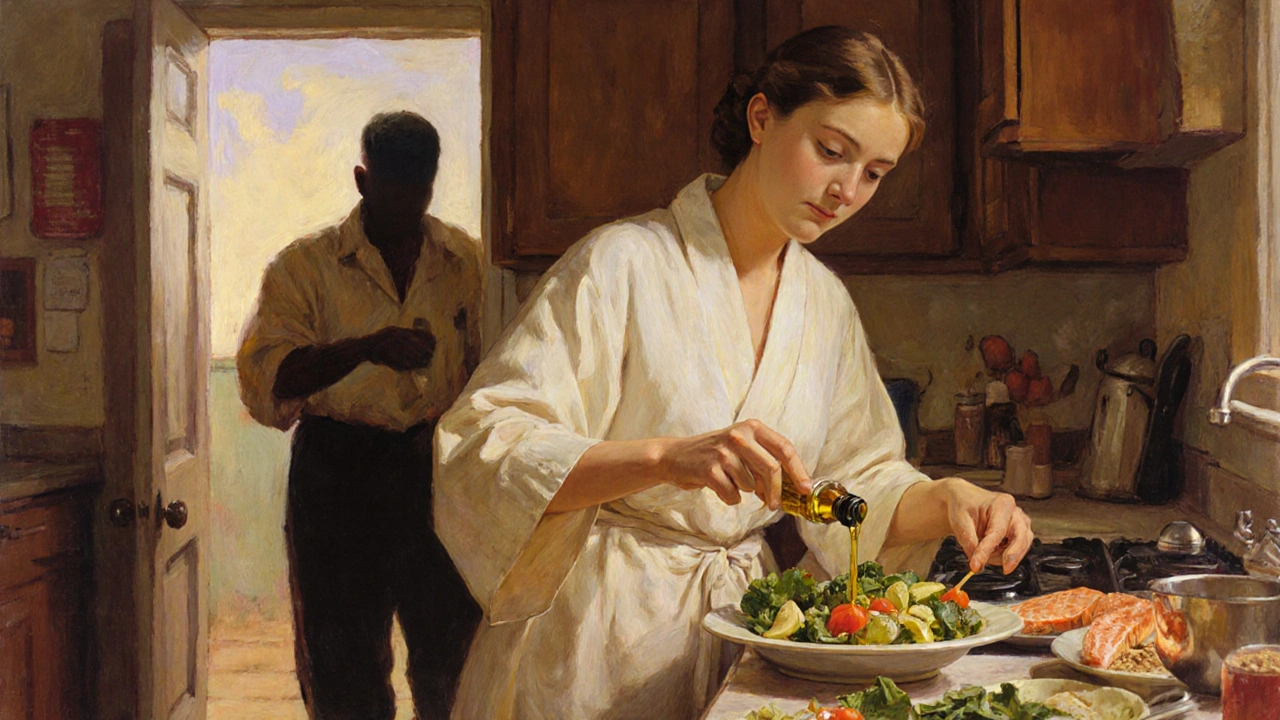
- Adopt the Mediterranean diet. Studies show it cuts liver fat better than low-fat diets. Think olive oil, fish, beans, tomatoes, leafy greens, and fruit. Avoid processed foods with hidden sugars.
- Get enough sleep and manage stress. Poor sleep and chronic stress raise cortisol, which increases belly fat and liver fat. Aim for 7-8 hours. Try breathing exercises or walking in nature.
One Reddit user, u/HealthyLiverJourney, lost 8% of their body weight in a year. Their FibroScan score-the test that measures liver stiffness-dropped from 9.8 kPa (advanced fibrosis risk) to 5.2 kPa (normal). That’s not luck. That’s consistent change.
What Doesn’t Work
There are no magic pills. No supplements. No detox teas. The FDA didn’t approve a single drug for MASLD until March 2024-and even then, only one: resmetirom. It’s for people with advanced MASH and fibrosis, not for prevention. And it’s expensive.
Many people try extreme diets-keto, juice cleanses, fasting. These might help short-term, but they’re unsustainable. And if you regain the weight, the fat comes back faster. The goal isn’t to lose weight fast. It’s to rewire how you eat and move for life.
Also, don’t wait for symptoms. If you have diabetes, high blood pressure, or a large waist, get checked. Ask your doctor for a liver enzyme test (ALT, AST) and an ultrasound. Non-invasive tests like FibroScan are now recommended by the American Association for the Study of Liver Diseases-but many insurers still deny coverage. Push back. This test could save your life.

Why This Matters Now
MASLD isn’t just a liver problem. It’s a warning sign your whole metabolic system is failing. People with MASLD are at higher risk for heart attacks, strokes, and kidney disease. Treating the liver alone won’t fix it. You have to treat the whole body.
Workplaces are starting to catch on. IBM’s employee wellness program cut NAFLD cases by 37% over three years by offering nutrition coaching, step challenges, and free health screenings. Schools are beginning to screen obese children. The tools are here. The knowledge is here. What’s missing is action.
If you’re reading this, you might be at risk. Or you know someone who is. The next time you get blood work done, check your liver numbers. If they’re high, don’t brush it off. Talk to your doctor. Start walking. Cut the soda. Eat real food. It’s not about perfection. It’s about progress.
Because your liver doesn’t ask for much. Just a little care. And a lot of time.
Is MASLD the same as NAFLD?
Yes, but the name changed in 2023. NAFLD (nonalcoholic fatty liver disease) is now called MASLD (metabolic dysfunction-associated steatotic liver disease). The new name reflects that the root cause is metabolic dysfunction-not just the absence of alcohol. Diagnosis now requires at least one metabolic risk factor like obesity, diabetes, or high blood pressure.
Can you reverse fatty liver without medication?
Absolutely. In the early stage (simple steatosis), 90% of cases reverse with lifestyle changes. Losing 5-7% of your body weight, cutting sugar, and exercising 150 minutes a week can clear fat from your liver in as little as six months. Medication is only needed for advanced cases with fibrosis.
Does alcohol make MASLD worse?
Even small amounts can worsen liver damage. While the American Association for the Study of Liver Diseases recommends complete abstinence, some European guidelines allow up to 30 grams per day (about two drinks). But since MASLD already stresses your liver, avoiding alcohol entirely is the safest choice.
Can children get MASLD?
Yes, and it’s rising fast. About 1 in 10 children have it, and up to 70% of obese children show signs. The main drivers are sugary drinks, processed foods, and lack of physical activity. Early screening is critical-liver damage in childhood can lead to cirrhosis by age 30 if unchecked.
How do I know if I have MASLD?
You won’t feel it in the early stages. The best way to know is through a blood test (ALT, AST) and an ultrasound or FibroScan. If you have obesity, diabetes, high blood pressure, or high triglycerides, ask your doctor to screen you-even if you feel fine. Many people are diagnosed only after damage is already advanced.
Is there a cure for advanced MASLD?
There’s no cure for cirrhosis caused by MASLD, but you can stop it from getting worse. The first FDA-approved drug, resmetirom, helps reduce fibrosis in advanced MASH cases. But even with medication, lifestyle changes are still essential. Without them, the disease will continue to progress.
What to Do Next
If you’re at risk:
- Ask your doctor for a liver enzyme test and an ultrasound
- Start walking 30 minutes a day, five days a week
- Replace one sugary drink with water or unsweetened tea
- Track your waist measurement monthly
- Join a community-like the American Liver Foundation’s online group-for support
If you’ve already been diagnosed:
- Don’t panic. Early MASLD is reversible
- Work with a dietitian who understands metabolic health
- Get a FibroScan if your doctor recommends it
- Be patient-progress takes months, not weeks
The liver is the only organ that can regenerate. But it needs time, space, and support. You don’t need a perfect diet. You don’t need to run marathons. You just need to start-and keep going. Your liver will thank you.




Nathan Brown
November 29 2025It's wild how our bodies scream in whispers. The liver doesn't yell, it just... stops working one day. And we're shocked. Like we didn't see the soda cans piling up, the 3 a.m. snacks, the stress eating like it's a hobby. We treat our organs like they're disposable. They're not. They're the quietest heroes we've got.