
Every year, thousands of people die not from taking one drug, but from mixing them. It’s not always illegal substances-sometimes it’s your prescription painkiller mixed with a glass of wine, or an anxiety pill taken after a few beers. These aren’t rare accidents. They’re predictable, preventable tragedies. The most dangerous drug combinations don’t just add up-they multiply. And if you’re taking any of these, you’re playing Russian roulette with your breathing, your heart, and your life.
Opioids + Alcohol: A Silent Killer
Opioids like oxycodone (OxyContin), hydrocodone (Vicodin), and fentanyl patches slow your breathing. Alcohol does the same. Together, they don’t just make you sleepy-they shut down your respiratory system. Research from the Journal of Clinical Pharmacology shows this combo increases the risk of fatal respiratory depression by 4.5 times compared to either substance alone. You might think, “I only have one drink,” but even a single glass of wine or a can of beer can be enough. The body doesn’t care how much you think you can handle. It only reacts to the chemicals in your blood.
People who take opioids for chronic pain often don’t realize how risky alcohol is. A 2023 CDC report found that 22.4% of fatal opioid overdoses involved alcohol. That’s more than one in five. And it’s not just heavy drinkers. A Reddit user shared how two drinks after dental surgery led to respiratory arrest-requiring emergency naloxone. No warning sign. No warning siren. Just silence.
Benzodiazepines + Opioids: The Most Common Deadly Mix
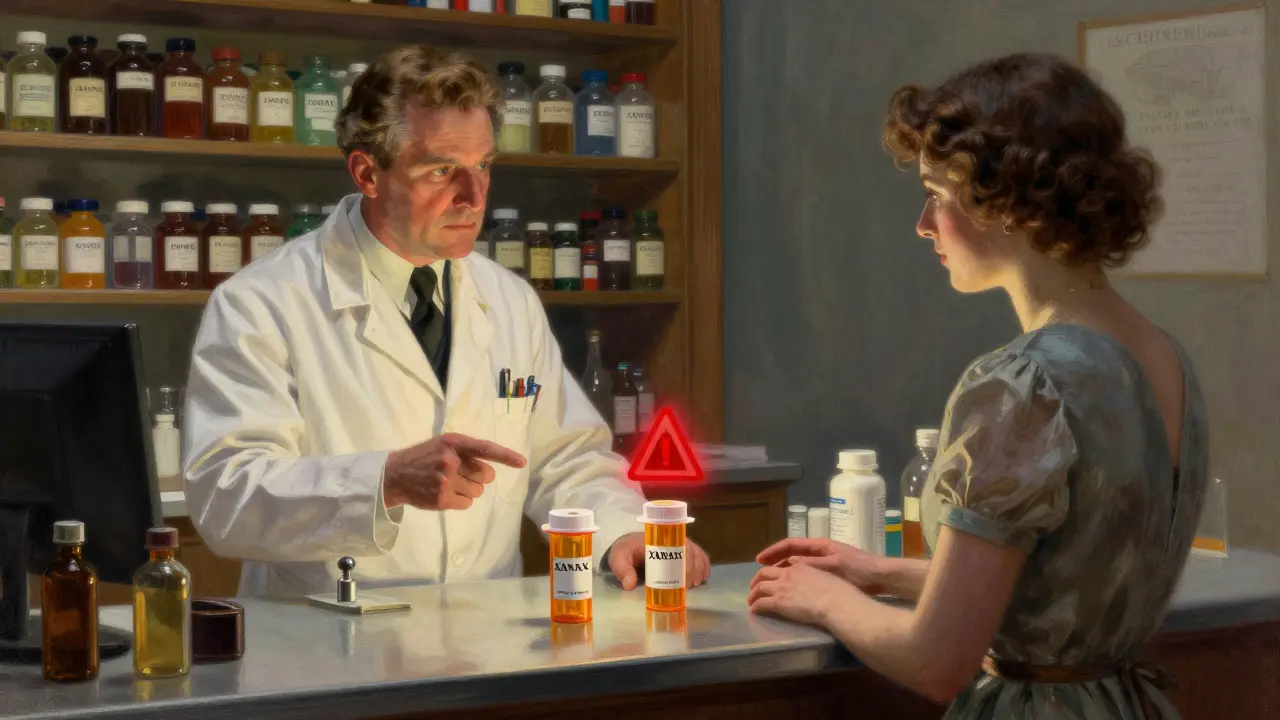
Doctors prescribe benzodiazepines like Xanax, Valium, and Ativan for anxiety, panic attacks, or insomnia. They’re also prescribed alongside opioids for pain and muscle spasms. But here’s the truth: this combination is responsible for more overdose deaths than almost any other. SAMHSA data from 2020 shows that 30.1% of opioid-related deaths also involved benzodiazepines. Mountainside Medical Center confirms this is the top cause of polysubstance overdose fatalities.
Why? Both drugs suppress the central nervous system. Together, they can drop your breathing rate below 10 breaths per minute-far below the 12-20 breaths needed to stay alive. You won’t feel like you’re dying. You’ll just feel really relaxed. Then you stop breathing. And you won’t wake up.
Since 2019, Medicare Part D has required electronic alerts when these two drugs are prescribed together. The result? A 18% drop in co-prescribing. That’s progress. But millions still get this combo. If you’re on either one, ask your pharmacist: “Is it safe to take this with the other?” If they hesitate, walk out and find someone who won’t.
Alcohol + Cocaine: The Hidden Toxin Cocaethylene
Cocaine speeds you up. Alcohol slows you down. Many people think this balance makes it safer. It doesn’t. It makes it deadlier. When your liver processes both at the same time, it creates a third substance: cocaethylene.
Cocaethylene is more toxic than either drug alone. It stays in your system longer, increases heart strain, and raises the risk of sudden death by 25% compared to cocaine by itself. Studies show it’s linked to liver damage in 65% of chronic users. Your heart rate can spike over 140 bpm. Blood pressure hits 180/110. You might feel fine-until your heart gives out.
And here’s the trick: cocaethylene makes you feel more euphoric. That’s why people keep using it. They think, “I feel great.” But what they’re feeling isn’t just cocaine. It’s poison. Celebrity deaths like those of Chris Farley and River Phoenix were tied to this combo. You don’t need to be famous to die from it.
Stimulant + Stimulant: When “Energy” Turns to Chaos
Mixing stimulants like cocaine, methamphetamine, or even ADHD meds like Adderall with caffeine or energy drinks might seem like a way to stay alert. But it’s a recipe for cardiac disaster. These drugs flood your system with adrenaline. Your heart pounds. Your blood pressure skyrockets. Your body overheats. Seizures happen. Psychosis kicks in. In 35% of users, stimulant combos trigger paranoia or hallucinations. In 60-70%, they cause full-blown panic attacks.
There’s no safe dose. Even a single Adderall pill with two energy drinks can push a young, healthy person into the ER. A 2023 study in Drug and Alcohol Dependence found that young adults mixing stimulants were 3x more likely to have a heart attack before age 30 than those who didn’t. And if the stimulant is laced with fentanyl-something the DEA says happens in 6 out of 10 illicit pills-you’re already dead before you even feel the high.
Antidepressants + Alcohol: The Quiet Risk
Many people take antidepressants like duloxetine (Cymbalta) or venlafaxine (Effexor) and don’t think twice about having a drink. But alcohol doesn’t just make you drowsy-it changes how your liver breaks down these drugs. A 2018 study in the Journal of Clinical Psychopharmacology found alcohol increases liver toxicity risk by 40% with Cymbalta. With Effexor, it lowers the threshold for fatal alcohol overdose by 25%.
And then there’s serotonin syndrome. Mixing certain antidepressants (especially SSRIs and SNRIs) with other drugs that raise serotonin-like tramadol, MDMA, or even St. John’s Wort-can cause your body to overheat, your muscles to lock up, and your heart to race out of control. Symptoms: confusion, tremors, high fever, seizures. It can kill in hours. And most doctors don’t warn you about it.
Buprenorphine + Alcohol: A Trap for Recovery
Buprenorphine is used to treat opioid addiction. It’s supposed to help you stay alive. But if you drink while taking it, you undo all the progress. Alcohol combined with buprenorphine can cause severe hypotension (blood pressure below 90/60), respiratory rates under 10 breaths per minute, and deep sedation that turns into coma.
The SA Health Department says it plainly: “The more alcohol in the body, the less heroin needed to cause an overdose.” The same applies here. Your tolerance for alcohol drops. Your body’s safety buffer vanishes. You think you’re in control because you’re in recovery. But your body doesn’t know that. It only knows chemicals.
Barbiturates + Alcohol: The Forgotten Danger
Barbiturates like phenobarbital are rarely prescribed today-but they’re still around. Some older adults take them for seizures or insomnia. Mixing them with alcohol increases the risk of respiratory arrest by 70%. That’s not a typo. It’s not rare. It’s predictable. And it’s lethal. The Journal of Forensic Sciences documented multiple cases where people died after taking one barbiturate pill with their nightly drink. No one saw it coming.
What You Can Do
- If you take opioids, benzodiazepines, or buprenorphine-don’t drink alcohol at all. Not even one drink.
- If you’re on antidepressants, check with your pharmacist before drinking. Some are safer than others.
- If you use stimulants, avoid caffeine, energy drinks, and other stimulants. The line between “feeling good” and “heart attack” is thinner than you think.
- If you’re unsure, use a free drug interaction checker like WebMD’s or Medscape’s. They’re not perfect, but they’ll warn you about the big ones.
- Keep naloxone (Narcan) at home if you or someone you know takes opioids. It doesn’t fix alcohol or benzodiazepine overdoses-but it can save a life if opioids are involved.
The truth is simple: your body doesn’t handle mixtures well. It wasn’t built for them. Every time you combine drugs, you’re gambling with your nervous system. And the odds are stacked against you.
Can I have one drink if I’m on a low dose of opioids?
No. Even one standard drink (12 oz beer, 5 oz wine, or 1.5 oz spirits) can significantly increase the risk of respiratory depression when combined with opioids. There is no safe amount. The interaction is not linear-it’s exponential. What feels like a small amount of alcohol can push your system into failure. Doctors and pharmacists universally advise complete abstinence from alcohol when taking opioids.
Is it safe to mix benzodiazepines with sleep aids like melatonin?
Melatonin itself is low-risk, but many over-the-counter sleep aids contain antihistamines like diphenhydramine (Benadryl), which are CNS depressants. Mixing these with benzodiazepines can lead to excessive sedation, confusion, and impaired coordination. Even if the label says “natural,” check the active ingredients. If it’s not pure melatonin, avoid combining it with Xanax, Valium, or similar drugs.
Why do some people say mixing drugs helps them feel better?
It’s a dangerous illusion. Stimulants mask the sedative effects of depressants, making users feel like they’re in control. Cocaethylene from alcohol and cocaine creates longer-lasting euphoria. But this isn’t enhancement-it’s deception. Your body is under more stress, your organs are working harder, and your brain is being flooded with toxic metabolites. The temporary “feeling good” comes at the cost of your long-term health-and often, your life.
Do pharmacies screen for dangerous drug combinations?
Yes, most major pharmacy systems in the U.S. and UK now flag high-risk combinations automatically. If you’re prescribed an opioid and a benzodiazepine, your pharmacist will get an alert. But this only works if your full medication list is entered. If you take something from a different pharmacy, or get it from a friend, the system won’t know. Always tell every pharmacist you visit about everything you’re taking-even supplements and recreational drugs.
What should I do if someone I know has overdosed from mixing drugs?
Call emergency services immediately. If you have naloxone and the person is unresponsive with slow or no breathing, administer it. Even if opioids aren’t the only drug involved, naloxone can reverse opioid-related respiratory failure and buy time. Keep the person on their side, keep them warm, and stay with them until help arrives. Do not try to make them walk, vomit, or take a cold shower. These myths can kill.
If you’re taking any of these drugs, talk to your pharmacist. Not your doctor. Not a website. A pharmacist. They’re trained to spot these combinations. They see them every day. And they’re the last line of defense before tragedy strikes.




Paul Ratliff
March 16 2026Dude. I took oxycodone after a tooth extraction and had one beer. Thought I was fine. Woke up on the floor. Paramedics said if my roommate hadn't called 911, I'd be dead. Never again. Just say no to 'just one'.