Statin Sleep Risk Comparison Tool
Step 1: Select Your Current or Considered Statin
Click on a statin to see its sleep-related profile. Compare multiple statins side by side.
Step 2: Rate Your Sleep Symptoms
Your Personalized Assessment
Comparison Table
| Statin | Solubility | Brain Penetration | Reported Sleep Risk | Recommendation for Sleep-Sensitive Patients |
|---|
Waking up exhausted after a night of fragmented rest or waking with the lingering memory of an intense dream is frustrating. If you are taking statins is a class of medications used to lower cholesterol and reduce the risk of heart disease and stroke, you might wonder if your pills are the culprit. You are not alone in asking this question. While statins save lives by managing cardiovascular health, some patients report that their sleep has taken a hit since starting treatment.
The relationship between these drugs and sleep is complex. It is not a simple yes-or-no situation. For many, there is no change at all. For others, specific types of statins seem to trigger issues like insomnia is a sleep disorder characterized by difficulty falling asleep or staying asleep or unusually vivid dreams. Understanding the nuances can help you decide whether to talk to your doctor about switching medications or simply adjusting your routine.
Key Takeaways
- Lipophilic vs. Hydrophilic: Statins that dissolve easily in fat (lipophilic) may penetrate the blood-brain barrier more than water-soluble (hydrophilic) ones, potentially affecting sleep.
- Specific Drugs Matter: Simvastatin and lovastatin have higher reported rates of sleep issues compared to pravastatin or rosuvastatin in several studies.
- The Nocebo Effect: Believing a drug will cause side effects can sometimes make them happen. Large trials show statins often do not worsen sleep compared to placebo.
- Timing Counts: Taking statins in the evening might align with the body's natural cholesterol production cycle, but individual response varies.
- Consult Your Doctor: Never stop taking statins without medical advice. Switching to a different type is a common and effective solution for those experiencing persistent sleep problems.
Why Do Some People Link Statins to Poor Sleep?
To understand why statins might affect your rest, we need to look at how they work in the body. Statins inhibit an enzyme called HMG-CoA reductase, which is essential for making cholesterol. This process happens primarily in the liver, but the enzyme is also present in other tissues, including the brain. The degree to which a statin reaches the brain depends on its chemical structure.
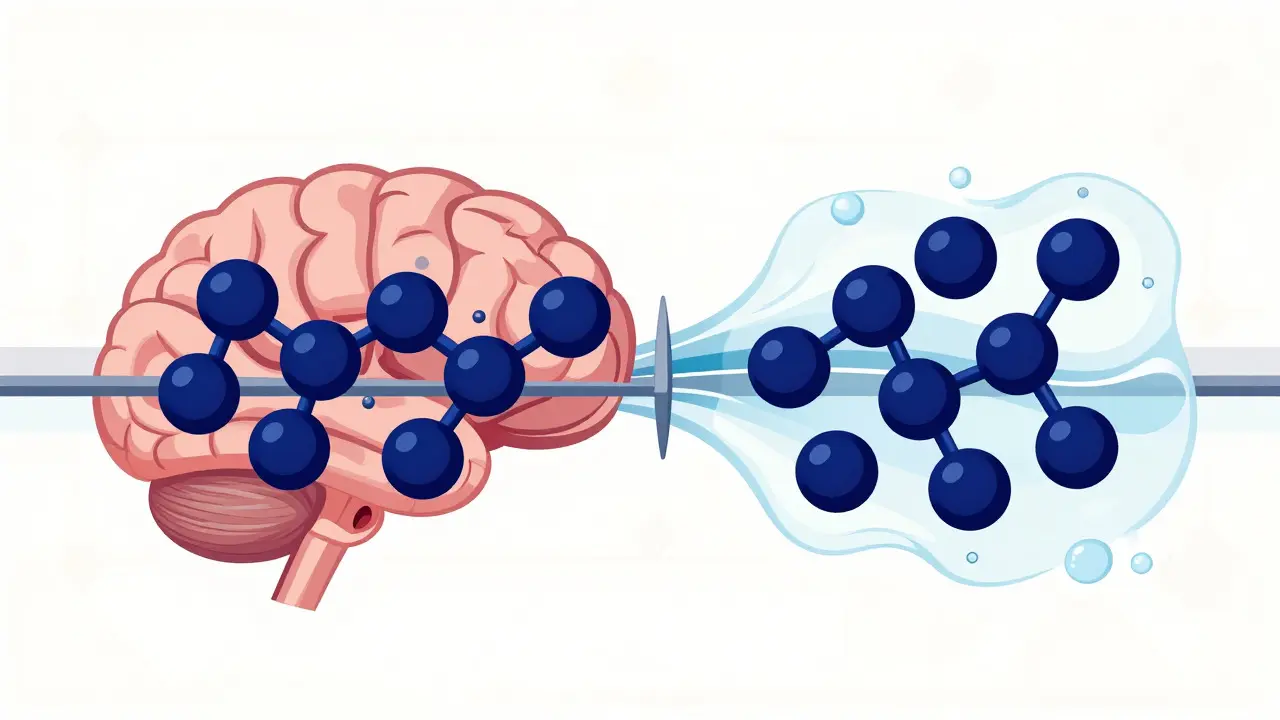
This brings us to the concept of lipophilicity. Lipophilic statins, such as simvastatin and lovastatin, are fat-soluble. This property allows them to cross cell membranes more easily, including the blood-brain barrier. Once inside the central nervous system, they may influence neurotransmitters or other pathways involved in sleep regulation. In contrast, hydrophilic statins like pravastatin and rosuvastatin are water-soluble. They tend to stay in the bloodstream and have less access to the brain, which might explain why fewer users report sleep disturbances with these agents.
However, it is not just about chemistry. There is also the psychological component known as the nocebo effect. When people read about potential side effects, they become hyper-aware of normal bodily fluctuations. A bad night’s sleep due to stress or caffeine might be blamed on the new medication. Research published in The Lancet involving over 10,000 patients found that those taking atorvastatin actually reported slightly fewer sleep disturbances than those on a placebo, suggesting that for many, the drug itself is not the problem.
What Does the Evidence Say About Specific Statins?
Not all statins are created equal when it comes to sleep. Data from large databases and clinical trials highlight significant differences between individual drugs. Here is a breakdown of what research suggests regarding the most common statins and their association with sleep issues.
| Statin Name | Solubility Type | Reported Association with Sleep Issues | Notes from Studies |
|---|---|---|---|
| Simvastatin | Lipophilic | Higher Risk | One study showed significantly worse sleep quality compared to placebo and pravastatin. |
| Atorvastatin | Moderately Lipophilic | Low/Mixed Risk | Large trials show no significant difference from placebo; some reports of vivid dreams exist. |
| Pravastatin | Hydrophilic | Lower Risk | Often considered a safer alternative for patients sensitive to CNS effects. |
| Rosuvastatin | Hydrophilic | Variable Risk | Some database analyses show moderate risk, while others show none. Individual variability is high. |
| Fluvastatin | Lipophilic | Low Risk | Generally well-tolerated regarding sleep parameters in comparative studies. |
A notable study led by Dr. Beatrice Golomb in 2007 directly compared simvastatin and pravastatin. Participants taking simvastatin reported significantly poorer sleep quality than those taking pravastatin or a placebo. This supports the theory that the ability of the drug to enter the brain plays a role. On the other hand, a meta-analysis by Broncel et al. in 2015 looked at multiple randomized controlled trials and found no statistically significant overall effect of statins on total sleep duration or efficiency. This contradiction highlights that while some individuals are affected, the average patient may not experience measurable changes in sleep architecture.
Vivid Dreams: A Common Complaint
While insomnia gets more scientific attention, vivid dreams are a frequent complaint among statin users. Many people describe their dreams as unusually bright, detailed, or emotionally intense. Sometimes, these dreams feel so real that they disrupt the continuity of sleep, leading to grogginess upon waking.
Why does this happen? One theory involves the role of cholesterol in the brain. Cholesterol is a critical component of cell membranes and is involved in the function of receptors that regulate sleep-wake cycles. By altering cholesterol levels, statins might subtly shift the balance of neurotransmitters like serotonin or dopamine, which influence dream intensity. Another possibility is that the reduction in inflammation caused by statins affects neural activity during REM sleep.
It is worth noting that vivid dreams are not unique to statins. Other medications, such as antidepressants and beta-blockers, can cause similar effects. If you are taking multiple medications, it may be difficult to isolate statins as the sole cause. However, if you started a statin recently and noticed a sudden increase in dream vividness, it is a valid symptom to discuss with your healthcare provider.
How to Manage Sleep Issues While on Statins
If you suspect your statin is affecting your sleep, do not panic or stop taking your medication abruptly. Cardiovascular protection is crucial, and stopping statins can raise your risk of heart attack or stroke. Instead, consider these practical steps.
- Track Your Symptoms: Keep a sleep diary for two weeks. Note when you take your pill, how long it takes you to fall asleep, how many times you wake up, and the nature of any dreams. This data helps your doctor identify patterns.
- Adjust Timing: Try taking your statin in the morning instead of the evening. Since cholesterol production peaks at night, some doctors recommend evening dosing, but for those with sleep issues, morning dosing might reduce peak plasma levels during sleep hours.
- Practice Good Sleep Hygiene: Ensure your bedroom is cool, dark, and quiet. Avoid screens before bed. Consistent routines can help counteract mild disruptions.
- Discuss Switching Medications: If symptoms persist, ask your doctor about switching to a hydrophilic statin like pravastatin or rosuvastatin. Many patients find relief after making this switch.
Your doctor may also suggest checking for other causes of poor sleep, such as sleep apnea or anxiety, which could be exacerbated by the stress of managing a chronic condition. Addressing these underlying factors can improve sleep quality regardless of medication status.

When to Talk to Your Doctor
Most sleep disturbances associated with statins are mild and manageable. However, you should contact your healthcare provider if:
- You experience severe insomnia lasting more than two weeks despite good sleep hygiene.
- Vivid dreams are causing significant daytime fatigue or anxiety.
- You notice muscle pain or weakness alongside sleep issues, as this could indicate statin-associated muscle symptoms (SAMS), which have been linked to impaired sleep quality in recent preliminary data.
- Your overall quality of life is declining due to lack of rest.
Your doctor can evaluate your lipid profile and cardiovascular risk to determine if a dose adjustment or a different medication class is appropriate. Remember, the goal is to maintain heart health without compromising your daily well-being.
Frequently Asked Questions
Do all statins cause insomnia?
No. Not all statins cause insomnia, and many people take them without any sleep issues. The risk varies by individual and by the specific type of statin. Lipophilic statins like simvastatin are more commonly associated with sleep disturbances than hydrophilic ones like pravastatin.
Can I take my statin in the morning to avoid sleep problems?
Yes, for many statins, timing is flexible. Long-acting statins like atorvastatin and rosuvastatin can be taken at any time of day. Short-acting statins like simvastatin are often recommended in the evening, but if this causes sleep issues, moving the dose to the morning is a reasonable strategy to discuss with your doctor.
Are vivid dreams a serious side effect of statins?
Vivid dreams are generally not dangerous, but they can be disruptive. They are a recognized side effect for some users. If the dreams are causing distress or preventing restful sleep, it is worth mentioning to your doctor, who may consider switching to a different statin.
Which statin is best for people with sleep issues?
There is no single "best" statin for everyone, but hydrophilic statins like pravastatin are often preferred for patients sensitive to central nervous system effects. Rosuvastatin is another option, though evidence is mixed. Your doctor will choose based on your cholesterol levels, other health conditions, and previous responses to medication.
Will stopping statins fix my sleep immediately?
If statins are the cause, sleep improvements may be noticed within a few days to a couple of weeks after discontinuation. However, you should only stop taking statins under medical supervision because uncontrolled cholesterol increases cardiovascular risk. Do not stop without consulting your doctor first.