
When your eyes turn red, itch like crazy, and water nonstop, it’s often not an infection—it’s allergic conjunctivitis, an inflammation of the eye’s outer layer triggered by allergens like pollen, dust, or pet dander. Also known as eye allergies, it’s one of the most common reasons people visit an eye doctor, especially during spring and fall. Unlike bacterial or viral pink eye, allergic conjunctivitis isn’t contagious. But it can feel just as annoying—especially when it keeps coming back every year.
The real problem? Most people treat it like a cold. They reach for oral antihistamines or rub their eyes, which only makes it worse. The key is targeting the reaction right at the source: your eyes. antihistamine eye drops, medications that block the body’s histamine response directly in the eye work faster and with fewer side effects than pills. Some, like ketotifen, even stop itching before it starts. And if your symptoms are severe, mast cell stabilizers, eye drops that prevent immune cells from releasing histamine in the first place are often paired with antihistamines for long-term control.
What triggers it? It’s not just pollen. Dust mites in your bedding, mold in damp bathrooms, pet hair, and even some cosmetics can set off a flare-up. If you’re allergic to cats, your eyes might react even if you don’t touch the animal—just being in the same room is enough. That’s why avoiding triggers matters as much as using medicine. Washing your face after being outside, using air purifiers, and keeping windows shut during high-pollen days can cut symptoms by half.
There’s a big difference between occasional irritation and chronic allergic conjunctivitis. If your eyes are red and itchy for weeks or months, you might have perennial allergic conjunctivitis—often tied to indoor allergens. Left untreated, it can lead to corneal damage or make you more sensitive to other irritants. That’s why knowing your triggers and using the right treatment early makes all the difference.
You’ll find posts here that break down the most effective eye drops, compare over-the-counter options like Zaditor and Alaway to prescription ones, and explain why some people get relief from cold compresses while others need stronger meds. We also cover how seasonal changes affect symptoms, what to do if your eyes won’t stop watering, and why some allergy pills make your eyes drier and itchier. Whether you’re dealing with spring pollen, a new pet, or just tired, red eyes that won’t go away, this collection gives you real, practical answers—not just generic advice.
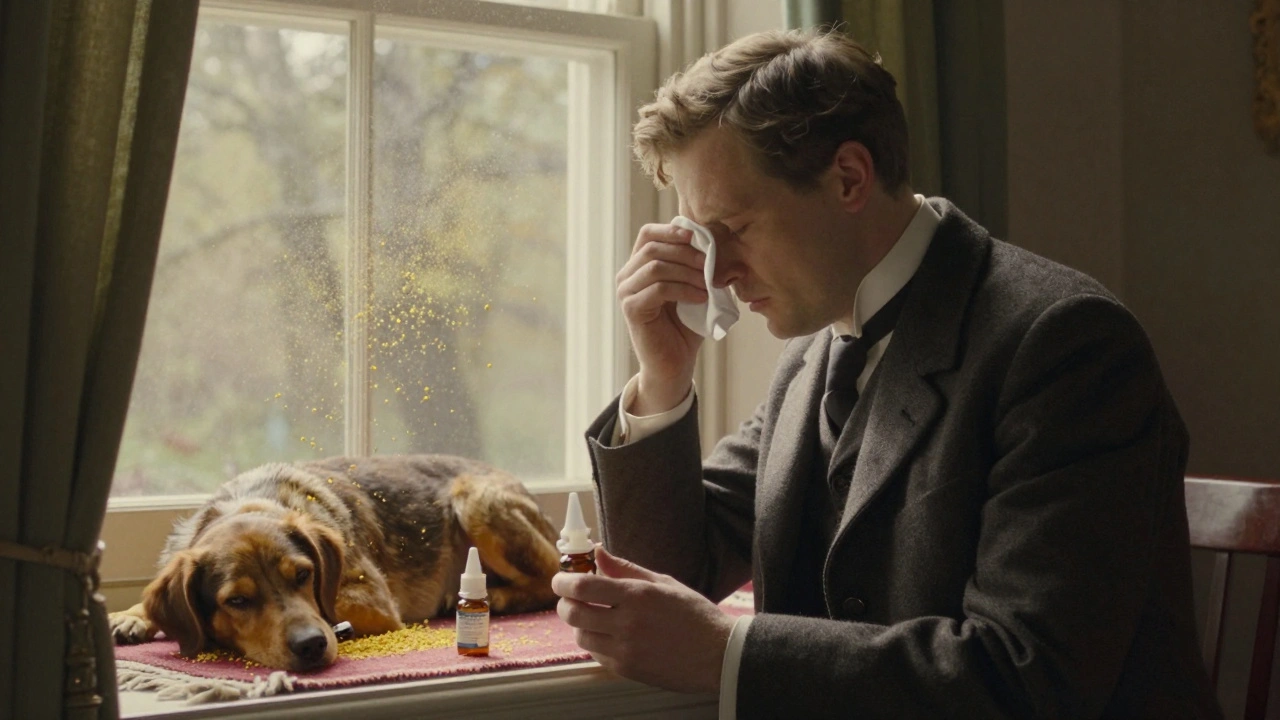
Learn how to stop itchy, red eyes from allergies with the most effective antihistamine eye drops, plus tips on usage, cost, and when to see a doctor. Get real advice backed by clinical data.