
When it comes to your health, getting clear and reliable info matters. Whether it’s dealing with infections from water or managing pain after surgery, understanding the basics can make a big difference in how you feel and recover.
Did you know that many parasitic infections come from unsafe water? Parasites like Giardia and Cryptosporidium often sneak into drinking water that’s not properly treated. These tiny invaders can cause stomach issues, diarrhea, and other nasty symptoms. So, how do you protect yourself? First, ensure your water source is clean—using filtered or boiled water is a smart move, especially when traveling or during outbreaks. Watch for signs like frequent stomach pain or sudden weight loss, which might mean you’ve caught an infection.
Protecting your family starts with small habits. Wash fruits and veggies with clean water, avoid swallowing water while swimming, and keep your pipes and water tanks clean. Catching these infections early can make treatment quicker and easier.
Minor surgeries often come with pain that can slow you down. But you don’t have to just grin and bear it. Simple steps like taking prescribed meds on time, resting well, and avoiding too much movement can speed up healing. Try to keep the surgery area clean and dry to avoid infections that can cause more pain.
Don’t forget the power of a good support system—friends or family can help with daily tasks while you recover, which reduces stress and promotes comfort. If the pain feels worse than expected or lasts longer, it’s important to check back with your doctor instead of guessing what to do next.
Health info like this isn’t just helpful – it’s the kind of stuff you want at your fingertips before a problem hits. Stay curious, ask questions, and keep these tips in mind. Your body will thank you!

Discover why NSAIDs like ibuprofen pose serious risks for heart failure patients. Learn how fluid retention triggers hospitalization and explore safer pain relief alternatives.

Struggling with unexpected sweating or hot flashes? Learn how medications like antidepressants and opioids trigger these side effects and discover proven relief strategies.
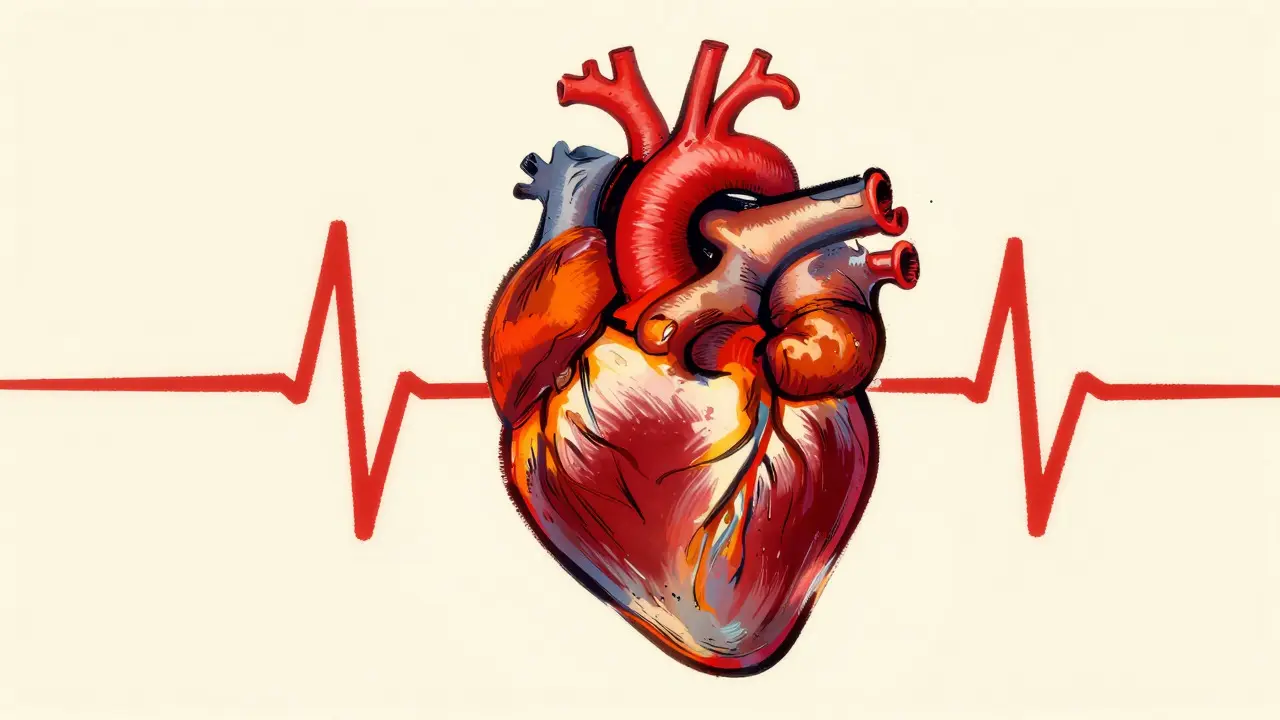
Learn the difference between rate and rhythm control for atrial fibrillation. Discover how recent trials changed guidelines and why stroke prevention is critical regardless of your chosen strategy.

Wondering if your cholesterol meds are ruining your rest? We break down the link between statins, insomnia, and vivid dreams, plus practical tips to manage sleep while protecting your heart.
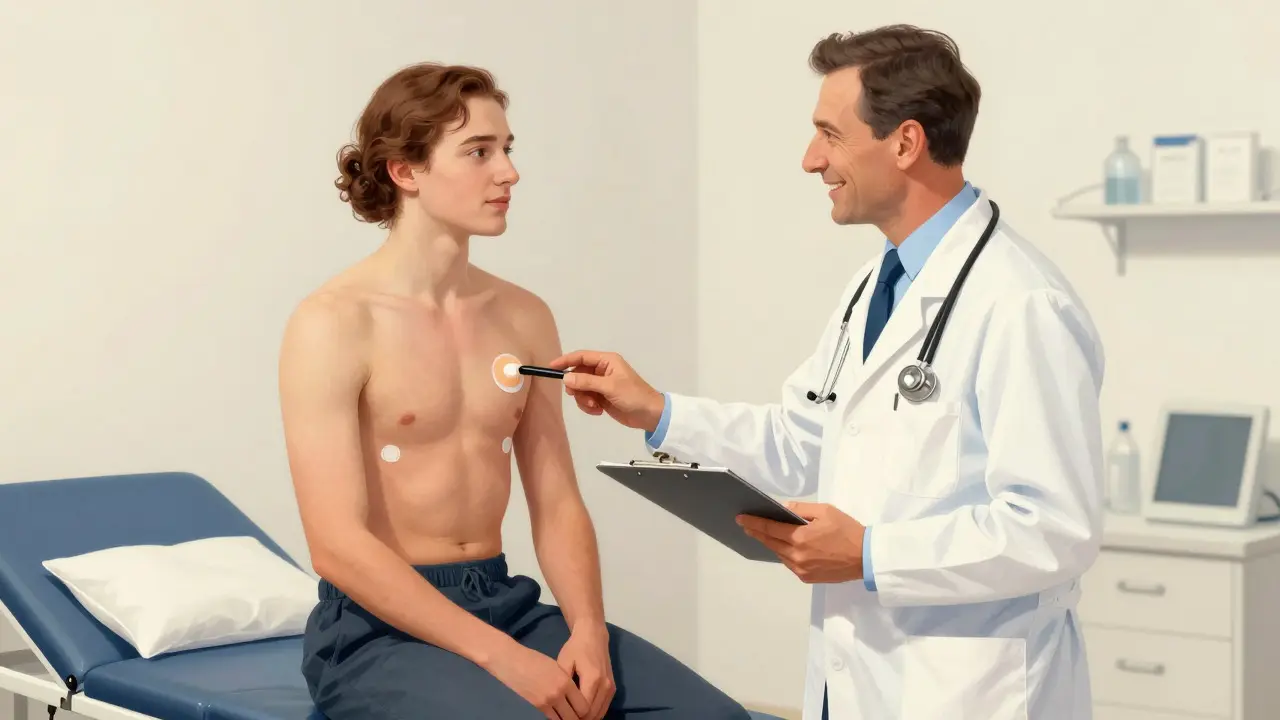
Discover the differences between ECG and stress tests, their purposes, accuracy, and how to prepare. Learn which test suits your needs and understand modern advancements in cardiac diagnostics.

Learn how to teach family members to recognize overdose symptoms using evidence-based methods. Covers opioid triad, skin tone variations, and hands-on training techniques.

Discover why medications cause dizziness and lightheadedness. Learn about high-risk drug classes, fall prevention strategies, and effective management techniques to stay safe.

Discover safer sleep strategies for seniors. Learn which medications to avoid according to the Beers Criteria, explore CBT-I as a first-line treatment, and find practical tips for better rest without risky sedatives.

Discover the hidden genetic heart risk of Lipoprotein(a). Learn why standard cholesterol tests miss it, how genetics dictate your levels, and what new treatments are emerging to lower your cardiovascular risk.

Explore the causes of statin-induced muscle pain, from common myalgia to rare autoimmune myopathy. Learn how to identify risks, manage symptoms, and choose the right treatment strategy.

Learn how to coordinate school nurses for safe pediatric medication administration. Covers NASN guidelines, IHP creation, delegation protocols, and error prevention strategies for K-12 settings.

Discover how common medications like diuretics, blood pressure pills, and antidepressants cause frequent urination and urgency. Learn practical tips to manage these bladder side effects safely.