
Drug Interaction Risk Checker
Check Your Medication Risks
This tool helps identify potentially dangerous drug combinations that could cause a hypertensive crisis. Based on the latest medical research.
A hypertensive crisis isn’t just a high blood pressure reading-it’s a medical emergency that can kill you in hours if ignored. When certain drugs mix, even harmless ones like cold medicine or cheese, they can trigger a sudden, dangerous spike in blood pressure. Systolic readings above 180 mmHg or diastolic above 120 mmHg aren’t just numbers-they mean your arteries are tearing, your kidneys are failing, your brain is at risk. And the scariest part? It’s often caused by something you didn’t think was dangerous.
How a Normal Drug Combo Turns Deadly
Most people think of hypertension as something slow and silent. But drug-induced hypertensive crisis happens fast. It’s not about years of poor diet or stress. It’s about what happens when two substances collide inside your body.
Take MAO inhibitors-medications used for depression or Parkinson’s. They stop your body from breaking down norepinephrine, a natural stimulant. Now add tyramine, found in aged cheese, cured meats, or fermented soy. Tyramine forces norepinephrine out of nerve endings. With MAOIs blocking its cleanup, norepinephrine floods your system. Blood pressure can jump 50 to 100 mmHg in under an hour. Some cases hit 250 mmHg systolic. That’s like a firehose blasting through your arteries.
Or consider venlafaxine, an antidepressant. At doses above 300 mg/day, it raises diastolic pressure significantly. But when combined with stimulants like amphetamines-even ADHD meds or weight-loss pills-the effect multiplies. Studies show 40% higher crisis rates than expected. One patient took Adderall for focus and venlafaxine for anxiety. Within days, they had blurred vision, chest pain, and a BP of 210/125. Their doctor blamed stress. It took a trip to the ER to find the real culprit.
The Hidden Culprits: More Than Just Prescription Drugs
It’s not just antidepressants. Many common, over-the-counter items can trigger this.
Decongestants like pseudoephedrine are a major offender. They constrict blood vessels to clear sinuses-but they also raise BP. In people on MAOIs, even one tablet can cause a crisis. Consumer Reports found only 12% of decongestant labels warn about this risk. Most people have no idea.
Then there’s licorice. Not the candy you eat once in a while-daily consumption. Licorice root contains glycyrrhizin, which blocks an enzyme that normally protects your body from cortisol. Without it, cortisol acts like a mineralocorticoid, making you retain sodium, lose potassium, and swell with fluid. Blood volume increases 10-15%. Systolic pressure can climb 15-20 mmHg over weeks. One patient in the UK ate two packs of licorice candy daily for months. His BP stayed above 170/105. His doctor kept increasing his antihypertensives. Only when he stopped the candy did his pressure normalize in 14 days.
Cyclosporine, used after organ transplants, causes hypertension in up to half of patients. It’s not just the drug-it’s how it interacts with calcium channel blockers. Some combinations make the problem worse, not better. In transplant units, 55% of these cases were misdiagnosed as organ rejection. Patients got more immunosuppressants, pushing their BP even higher.
Why Doctors Miss It-And How You Can Protect Yourself
Doctors don’t always ask the right questions. A 2021 study found 68% of patients had reported unexplained headaches or vision changes before their crisis-but only 22% had their meds reviewed. Why? Because most aren’t trained to think about drug interactions as a cause of high blood pressure.
The European Society of Hypertension says drug-induced cases make up 30% of secondary hypertension-but only 5-10% get diagnosed. That’s a massive gap. And it’s not just doctors. Patients don’t know to report every pill they take, including supplements, herbal teas, or even licorice candy.
Here’s what you can do:
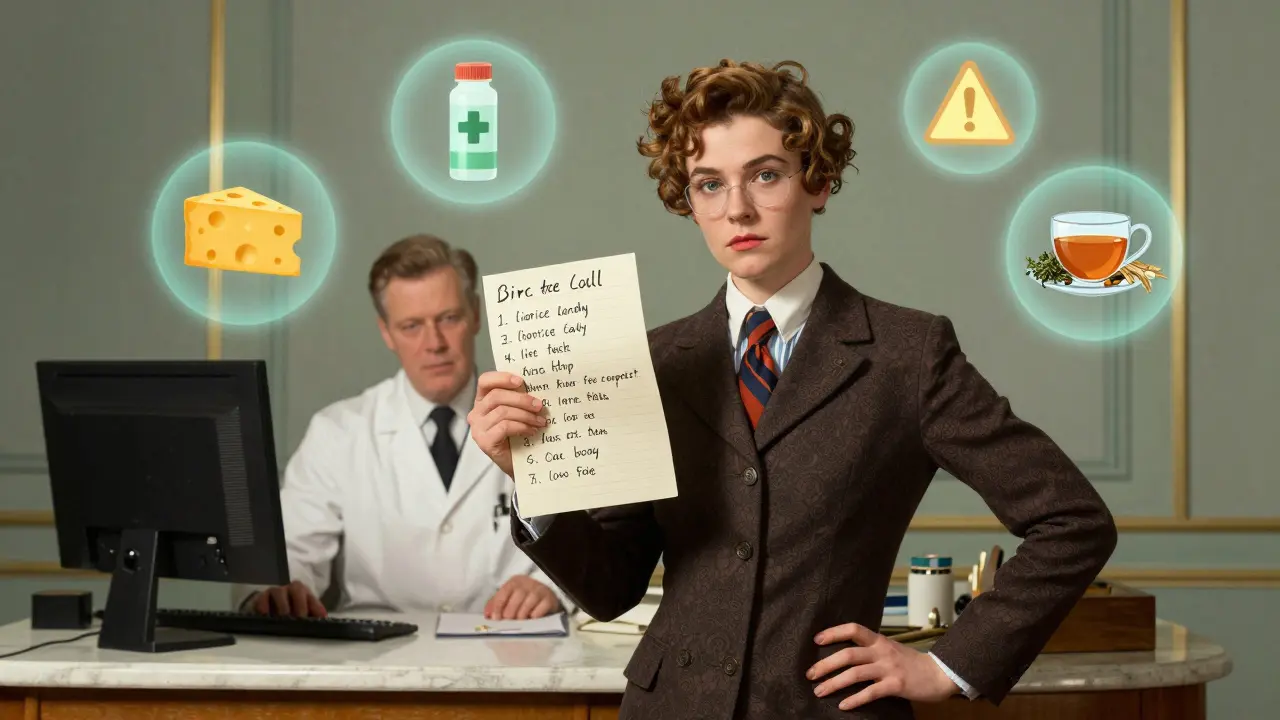
- If you’re on an MAOI, avoid aged cheese, soy sauce, tap beer, cured meats, and fermented foods. Use apps like MAOI Diet Helper-a Mayo Clinic study showed it improved diet adherence by 78%.
- If you take venlafaxine above 225 mg/day, get your BP checked every 3 months. If you’re on stimulants, talk to your doctor about alternatives.
- Never mix decongestants with antidepressants without checking with a pharmacist.
- Keep a full list of everything you take-prescriptions, OTCs, supplements, even herbal remedies. Bring it to every appointment.
What Happens in the ER-And What Works
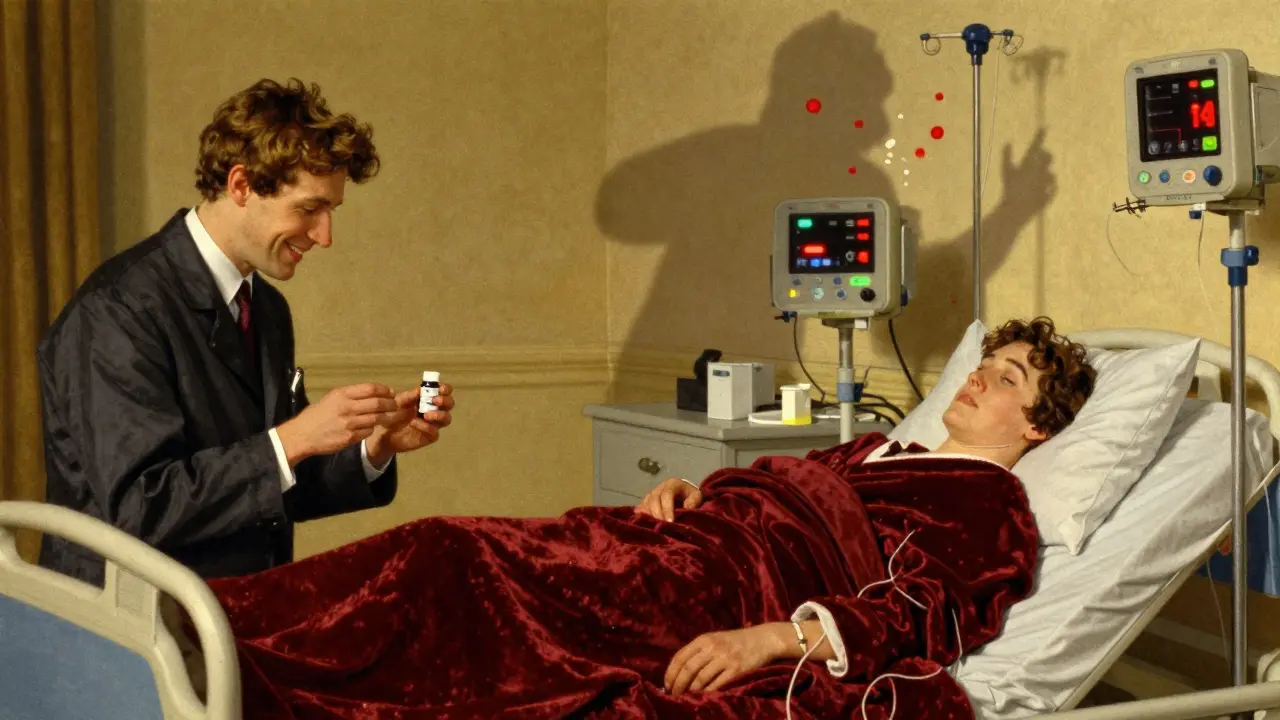
If you’re in a hypertensive crisis, time is everything. The goal isn’t to lower BP too fast-that can cause stroke. It’s to reduce it safely, over minutes to hours.
For MAOI-tyramine crises, IV phentolamine is the gold standard. It blocks the overactive norepinephrine receptors. Studies show 92% of patients stabilize within 20 minutes. Labetalol works well too, with 85% success.
For mineralocorticoid-driven cases-like from licorice or steroids-diuretics help. But the real fix is stopping the trigger. Potassium supplements and salt restriction help, but only if the cause is removed.
For cyclosporine-induced hypertension, calcium channel blockers like amlodipine are preferred. But they must be chosen carefully. Some, like verapamil, can interact dangerously. Dosing matters.
And here’s the truth: none of these drugs should be stopped cold turkey without medical supervision. Withdrawal can be deadly. Always work with your doctor.
The Future: Technology That Could Save Lives
There’s hope. In January 2023, the FDA approved the first AI-driven decision-support tool designed to flag high-risk drug combinations before they’re prescribed. In trials, it cut MAOI-related emergencies by 40%.
Genetic testing is also emerging. Some people have a CYP2D6 gene variant that makes them metabolize antidepressants slowly. That means even normal doses build up to dangerous levels. Testing can identify those at 3.2 times higher risk.
By 2024, new guidelines will classify venlafaxine doses above 225 mg/day as “high risk,” requiring quarterly BP checks. The NIH is also testing a real-time alert system that scans electronic health records for 15,000+ known interactions. If you’re on multiple meds, this could soon be standard.
But until then, the responsibility falls on you. You are your own best advocate.
When to Go to the ER
Don’t wait. If you have any of these, call 999 or go to the nearest emergency department:
- Systolic BP over 180 or diastolic over 120
- Severe headache with blurred vision or confusion
- Chest pain, shortness of breath, or irregular heartbeat
- Nausea, vomiting, or seizures
- Recent start of a new drug, especially antidepressants, stimulants, or decongestants
It’s not paranoia. It’s prevention.
What’s Not Being Said
The FDA now requires black box warnings on MAOIs-up from 65% in 2015 to 100% today. That’s progress. But over-the-counter drugs? Still mostly silent. Weight-loss pills like phentermine? Labels don’t warn about combining with SSRIs. And most people don’t know that even a single dose of pseudoephedrine can be fatal if you’re on an MAOI.
The American Heart Association estimates drug-induced hypertensive crises cost $2.3 billion a year in avoidable ER visits and hospitalizations. Most are preventable. But only if we start asking the right questions.
Ask your pharmacist: “Could this medicine raise my blood pressure?”
Ask your doctor: “Have you checked for interactions with everything I’m taking?”
And if you’re on an MAOI? Don’t eat blue cheese. Don’t drink tap beer. Don’t take Sudafed. It’s not extreme. It’s survival.
Can over-the-counter cold medicine cause a hypertensive crisis?
Yes, especially if you’re taking MAO inhibitors for depression or Parkinson’s. Decongestants like pseudoephedrine or phenylephrine can trigger a sudden, dangerous spike in blood pressure-sometimes over 200 mmHg systolic. Even one tablet can be enough. Always check with your pharmacist before taking any cold, flu, or allergy medication if you’re on an MAOI.
Is it safe to eat cheese while on an MAOI?
No. Aged cheeses like cheddar, parmesan, gouda, and blue cheese contain high levels of tyramine, which can cause a life-threatening reaction when combined with MAO inhibitors. Even small amounts can trigger a crisis. Some patients have ended up in the ICU after eating just one slice. Use a dedicated app like MAOI Diet Helper to track safe foods.
How long after stopping an MAOI is it safe to take other antidepressants?
It depends on the MAOI. For reversible ones like moclobemide, a 2-week washout is usually enough. For irreversible ones like phenelzine or tranylcypromine, you need 4 to 5 weeks. This is critical to avoid serotonin syndrome or hypertensive crisis. Never switch medications on your own-always follow your doctor’s timeline.
Can licorice candy really raise my blood pressure?
Yes. Regular consumption of licorice candy (especially more than 100g daily) can cause a mineralocorticoid-like effect, leading to sodium retention, low potassium, and elevated blood pressure. In one documented case, a patient’s BP dropped 25 mmHg systolic within two weeks after stopping daily licorice. It’s not just a myth-it’s a proven interaction.
Why do some doctors dismiss BP spikes as stress?
Because drug-induced hypertension is underdiagnosed. Studies show 65% of emergency doctors don’t routinely check for medication interactions in patients with severe hypertension. Patients often report symptoms like headaches or vision changes for months before being asked about their meds. If your BP is suddenly high and you’ve started a new drug-even an OTC one-push for a full medication review. Your life could depend on it.


Barbara Mahone
January 20 2026Interesting read. I never realized licorice candy could do that. My grandma used to eat it daily for 'digestive aid'-now I’m wondering if her high BP was from that, not just age.
Good to know what to avoid.