
When someone struggles with alcohol use disorder, a medical condition where drinking becomes compulsive and harmful despite negative consequences. Also known as alcohol dependence, it’s not a lack of willpower—it’s a brain disorder that changes how reward, stress, and self-control work.
That’s where naltrexone, a medication that blocks the pleasurable effects of alcohol by targeting opioid receptors in the brain comes in. It doesn’t make you sick or stop you from drinking, but it takes the punch out of that first sip, making it easier to stop. Then there’s acamprosate, a drug that helps stabilize brain chemistry after stopping alcohol, reducing the anxiety and restlessness that often lead to relapse. And for some, disulfiram, a medication that causes unpleasant reactions like nausea and flushing if alcohol is consumed acts as a strong deterrent. These aren’t magic pills, but they’re backed by decades of research and real-world use.
What most people don’t realize is that these medications work best with support—therapy, counseling, or even just a daily check-in with someone who gets it. You don’t have to quit cold turkey to benefit. Many people use these drugs to cut back first, then stop. Others take them for months or years to stay steady. The key is matching the right drug to your goals, your body, and your life. Some people respond better to naltrexone if they still drink occasionally. Others need disulfiram’s harsh reminder to stay away. And acamprosate? It’s the quiet helper for those who’ve stopped but can’t shake the inner chaos.
These medications are used in clinics, hospitals, and even prescribed by primary care doctors now. They’re not new, but they’re underused. Too many still think recovery means only 12-step programs or rehab stays. But science shows that combining medication with behavioral support gives you the best shot. And it’s not just about stopping drinking—it’s about rebuilding sleep, mood, relationships, and daily function. The posts below show real cases: how people managed side effects, what happened when they skipped doses, how alcohol interacts with other drugs like antidepressants or seizure meds, and why timing matters just as much as the pill itself.
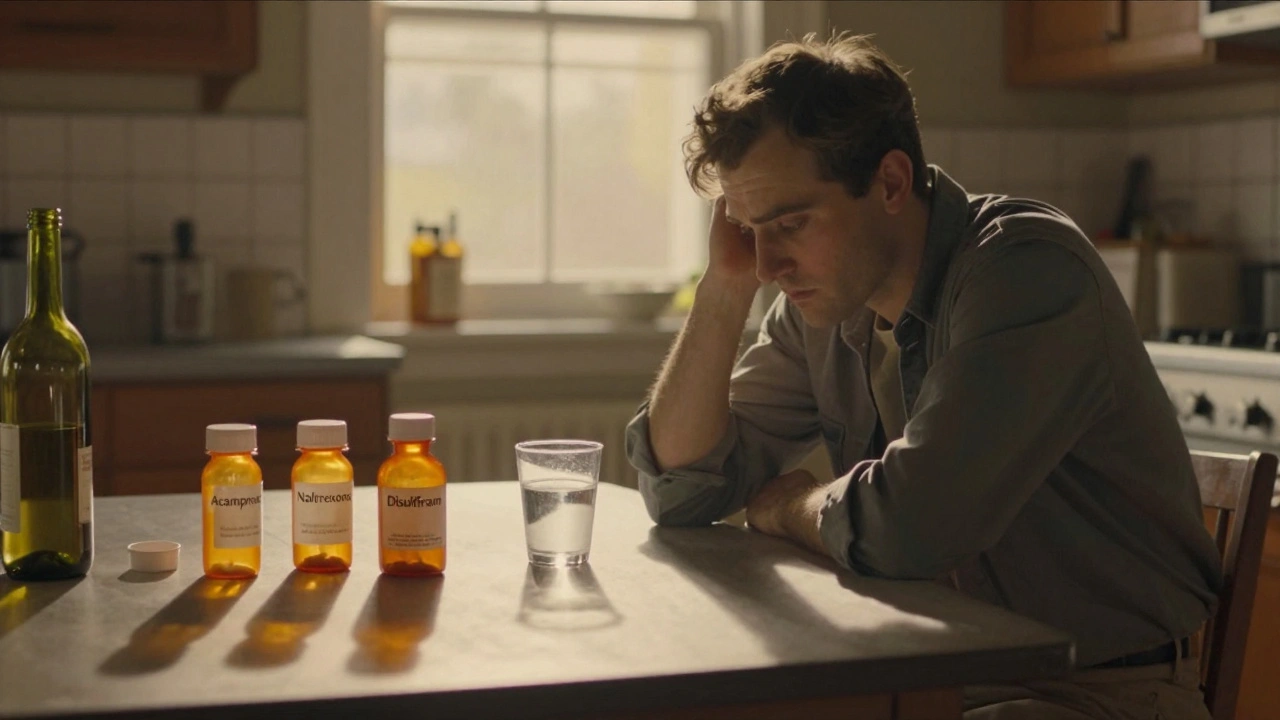
Medications for alcohol use disorder can reduce relapse risk, but only when used correctly. Learn how naltrexone, acamprosate, and disulfiram work - and why so many people stop taking them.