
When it comes to antidepressant safety, the careful use of medications designed to treat depression and related mood disorders while minimizing harm. Also known as antidepressant risk management, it's not just about popping a pill—it's about understanding how your body reacts, what to avoid mixing with it, and how to stop safely if needed. Many people assume antidepressants are harmless because they're commonly prescribed, but that’s a dangerous myth. These drugs affect brain chemistry in powerful ways, and even small mistakes—like skipping doses, drinking alcohol, or taking another medication—can lead to serious problems.
Drug interactions, when antidepressants react badly with other medicines, foods, or supplements are one of the biggest hidden dangers. For example, mixing certain antidepressants with painkillers like tramadol or even common herbal supplements like St. John’s wort can trigger serotonin syndrome—a life-threatening spike in serotonin levels. You might not feel it right away, but symptoms like rapid heartbeat, high fever, confusion, or muscle rigidity need emergency care. Even something as simple as eating aged cheese or drinking red wine while on an MAOI antidepressant can cause a sudden, dangerous blood pressure spike. And if you’re on blood thinners, antibiotics, or heart meds, your doctor needs to know you’re taking an antidepressant—because these combinations can alter how your body processes everything.
Antidepressant withdrawal, the physical and mental symptoms that occur when stopping these drugs too quickly is another area where people get caught off guard. It’s not addiction—it’s your nervous system adjusting. But symptoms like dizziness, brain zaps, nausea, or intense mood swings can be so severe that people think their depression is coming back. That’s why tapering slowly under medical supervision isn’t optional—it’s essential. And if you’ve ever felt like your antidepressant stopped working after months of being fine, that’s not your fault. Your body adapts, and sometimes the dose needs adjusting, not switching entirely.
Then there’s antidepressant overdose, what happens when too much of the drug builds up in your system. It’s rare with modern SSRIs, but still possible—especially if you accidentally take a double dose, combine medications, or use them with alcohol. Overdose signs include vomiting, seizures, irregular heartbeat, or loss of consciousness. If you or someone you know shows these signs, don’t wait. Call for help immediately.
What you won’t find in the pamphlet: antidepressants don’t work the same for everyone. What’s safe for your neighbor might be risky for you. Your age, liver function, other health conditions, and even your genetics play a role. That’s why regular check-ins with your provider aren’t just a formality—they’re part of staying safe. Tracking side effects, noting changes in sleep or mood, and speaking up about cravings or urges to stop suddenly? Those are your best tools.
Below, you’ll find real, practical guides from people who’ve been through it—how to set up reminders so you never miss a dose, what foods to avoid, how to spot early signs of trouble, and why timing matters more than you think. No fluff. Just what you need to keep yourself safe while taking these medicines.
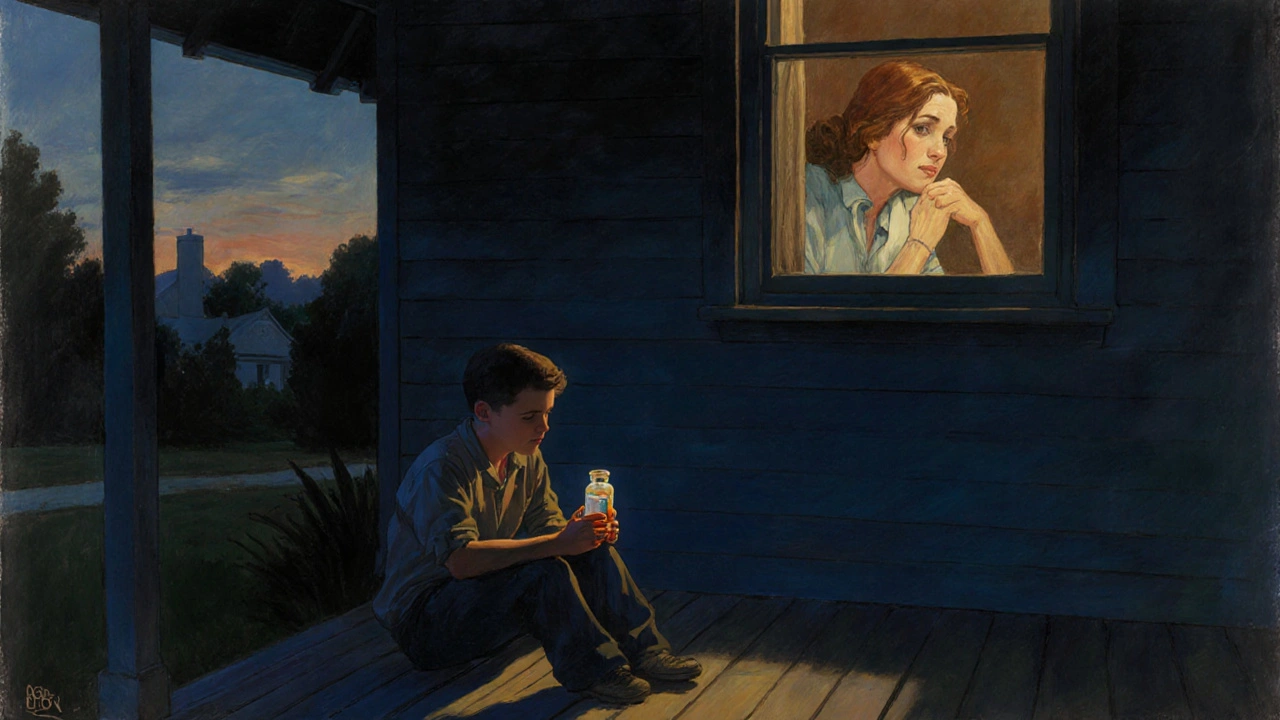
The FDA's black box warning on antidepressants for youth was meant to prevent suicide, but data shows it may have led to fewer treatments and more suicide attempts. Here's what the evidence really says.