
When someone struggles with alcohol use disorder, a medical condition where drinking causes harm to health, relationships, or daily life. Also known as alcohol dependence, it’s not a lack of willpower — it’s a brain chemistry issue that needs real treatment. Many people think quitting cold turkey is the only way, but science shows that’s rarely enough. AUD treatment, a structured plan combining medication, counseling, and lifestyle changes to reduce or stop alcohol use works best when it’s personalized. It’s not about being "strong enough" — it’s about using the right tools at the right time.
There are three FDA-approved medications for AUD: naltrexone, acamprosate, and disulfiram. Each works differently. Naltrexone blocks the pleasure you get from drinking. Acamprosate helps stabilize brain chemistry after you stop. Disulfiram makes you sick if you drink — a strong deterrent. But meds alone don’t fix the habit. That’s where behavioral therapy, a structured talk-based approach to change drinking patterns and build coping skills comes in. Cognitive behavioral therapy, motivational interviewing, and contingency management aren’t fluffy talk sessions — they’re evidence-backed tools that rewire how you respond to triggers. And they work better when paired with meds.
Recovery isn’t just about stopping drinks. It’s about rebuilding your life. People who stick with AUD treatment longer — six months or more — have much higher success rates. Support groups like Alcoholics Anonymous help, but they’re not for everyone. Some find peer coaching, digital apps, or family therapy more useful. The key is finding what fits your life, not forcing yourself into a mold. You don’t need to hit rock bottom to start. Many people begin treatment after one bad episode — a DUI, a hospital visit, or just realizing they’re tired of feeling out of control.
What doesn’t work? Guilt. Shame. Thinking you can handle it alone. Believing that one relapse means failure. AUD treatment isn’t a straight line — it’s a cycle of trying, learning, adjusting. The posts below show real cases: how people used medication timers to stay on track, what happens when alcohol interacts with other drugs, how to manage cravings without willpower, and why some treatments fail because they ignore daily routines. You’ll find guides on what to ask your doctor, how to spot warning signs in yourself or loved ones, and how to avoid common traps that send people back to drinking. This isn’t theory. It’s what works for people who actually got through it — and you can too.
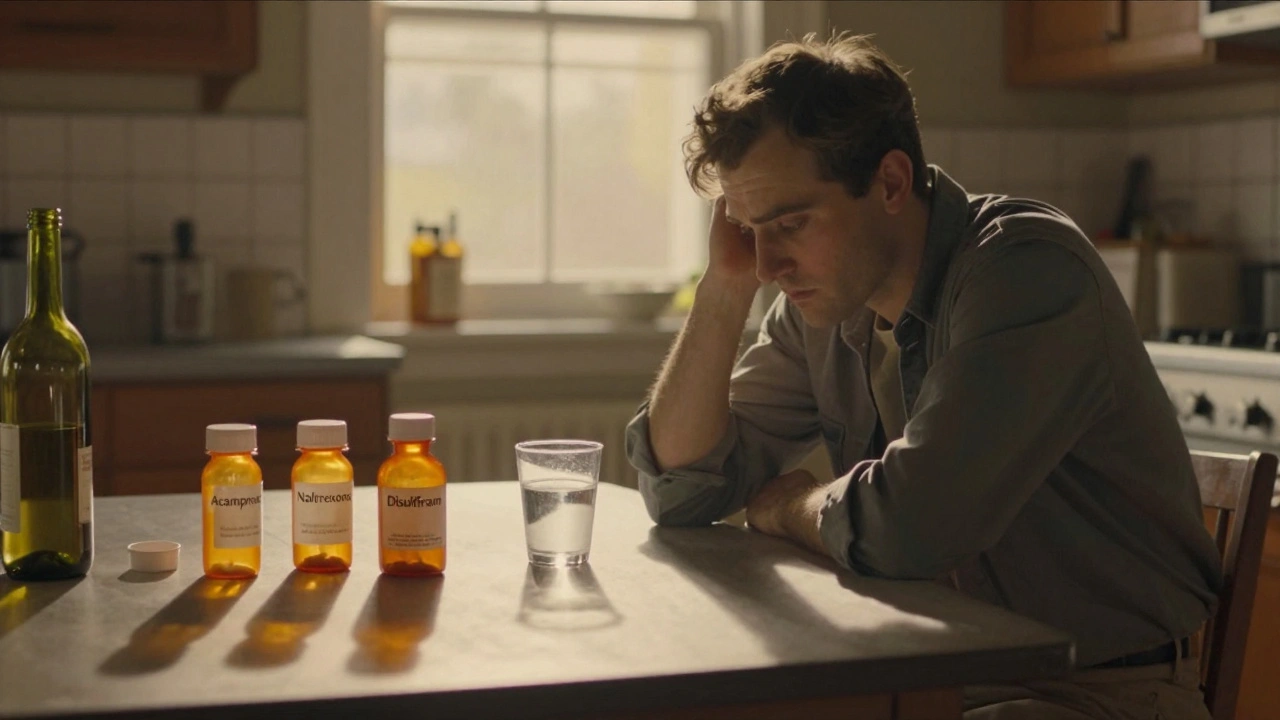
Medications for alcohol use disorder can reduce relapse risk, but only when used correctly. Learn how naltrexone, acamprosate, and disulfiram work - and why so many people stop taking them.