
When you pick up a prescription, the drug strength, the amount of active ingredient in each pill, tablet, or dose. Also known as dosage, it's not just a number—it's the difference between a treatment that works and one that does nothing, or worse, harms you. A 10mg tablet of lisinopril isn't the same as a 40mg one. A 500mg dose of amoxicillin won't clear the same infection as 1000mg. Get this wrong, and you’re not just wasting money—you’re risking your health.
Drug strength connects directly to how your body absorbs medicine. For example, levodopa, a drug used for Parkinson’s loses up to half its effectiveness if taken with a protein-rich meal. warfarin, a blood thinner can spike dangerously if paired with certain antibiotics, even if the strength is unchanged. And cyclosporine, an immunosuppressant for transplant patients requires precise blood level monitoring because even small changes in strength can trigger organ rejection or kidney damage. This isn’t theory—it’s daily reality for millions.
Strength also changes after surgery. After gastric bypass, pills may not dissolve properly, so a 100mg dose might as well be 25mg. Some drugs need to be switched to liquid form or crushed. Others, like thyroid meds or seizure drugs, can’t be altered at all. Then there’s the issue of timing: missing a dose by a few hours can drop drug strength below the effective threshold, especially with antibiotics or antivirals. That’s why skipping pills isn’t just careless—it’s medically risky.
And it’s not just about what’s in the pill—it’s about what’s around it. Fatty foods can boost absorption of some drugs, while coffee or grapefruit juice can block others. Even the time of day matters. Corticosteroids like dexamethasone work better when taken in the morning to match your body’s natural rhythm. Your drug strength isn’t static—it’s dynamic, shaped by food, timing, metabolism, and even your gut bacteria.
What you’ll find below is a collection of real-world stories and science-backed guides on how drug strength plays out in practice. From why your antidepressant dose might need adjusting after weight loss surgery, to how mail-order pharmacies can ruin your pills if they get too hot, to why generic versions aren’t always interchangeable—even when they say the same strength. These aren’t abstract warnings. They’re the kind of details that keep people out of the hospital.
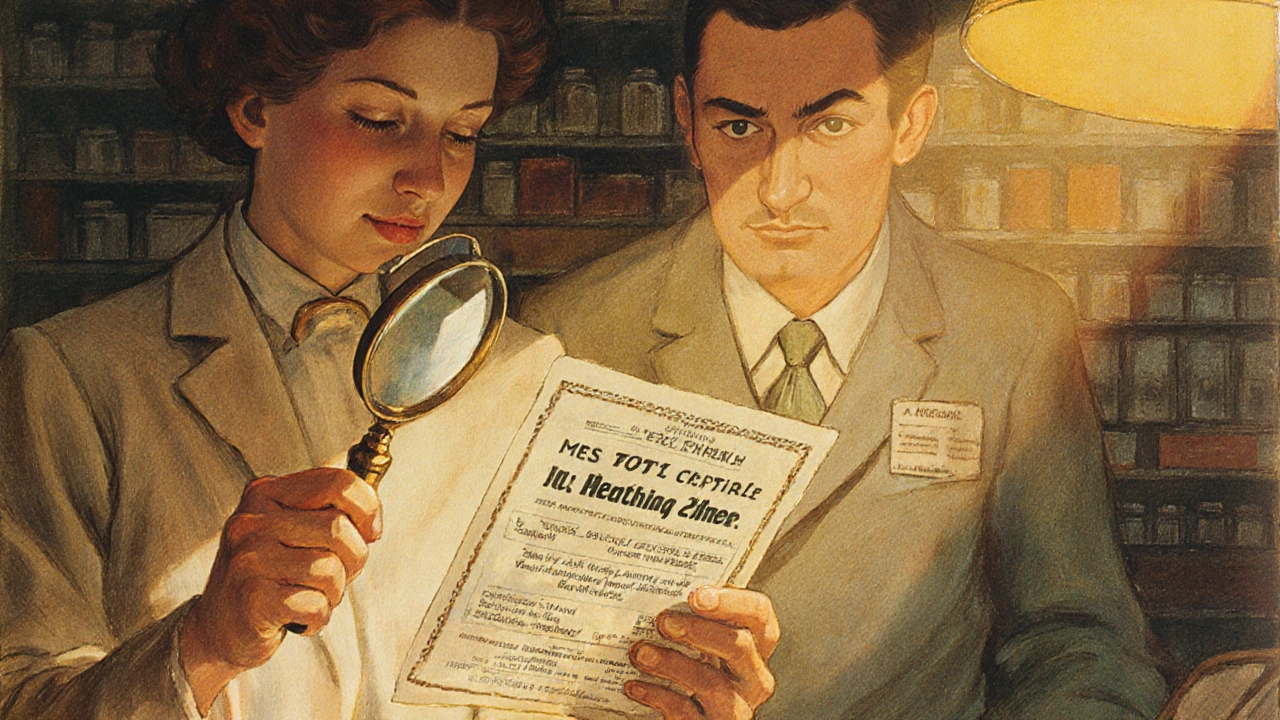
Learn how to read your prescription label step by step to avoid dangerous mistakes. Understand medication names, strengths, dosing instructions, and safety warnings so you take your medicine correctly every time.