
When your liver starts storing too much fat—not because you drink alcohol, but because of how your body processes sugar and fat—you’re dealing with metabolic liver disease, a condition where fat builds up in the liver due to insulin resistance and metabolic dysfunction. Also known as non-alcoholic fatty liver disease (NAFLD), it’s now the most common liver condition in the U.S., affecting nearly 1 in 3 adults. Unlike alcohol-related liver damage, this one sneaks up on you. You might feel fine, have normal blood tests, and still be carrying silent fat deposits that can turn into inflammation, scarring, and even liver failure over time.
This isn’t just about weight. insulin resistance, when your cells stop responding properly to insulin is the main driver. It forces your liver to make more fat, and your body gets worse at clearing it. People with type 2 diabetes, high triglycerides, or belly fat are at highest risk. But even people who aren’t overweight can develop it—especially if they eat a lot of refined carbs or sugary drinks. And here’s the twist: some of the very medications meant to help you—like certain steroids, antivirals, or even tamoxifen—can make this worse by altering how your liver handles fat and toxins. That’s why understanding medication liver toxicity, when drugs damage the liver as a side effect matters just as much as diet.
What you take, when you take it, and what you eat all interact. Protein-rich meals can slow down how fast your body absorbs some drugs, while fatty foods might boost others. Skipping doses or mixing meds without checking for interactions can push a stressed liver over the edge. That’s why posts here cover everything from how to read your prescription label correctly, to how antibiotics can spike liver enzymes, to why timing your pills around meals matters more than you think. You’ll find real advice on managing medications when your liver is already under pressure—from statins to diabetes drugs to common pain relievers.
There’s no magic pill for metabolic liver disease, but there are proven steps: lose 5-10% of your body weight, cut out added sugar, move daily, and talk to your doctor about which meds are safest for your liver. The good news? Early-stage fatty liver can reverse. The bad news? Most people don’t know they have it until it’s advanced. This collection gives you the facts—not hype—to protect your liver before it’s too late.
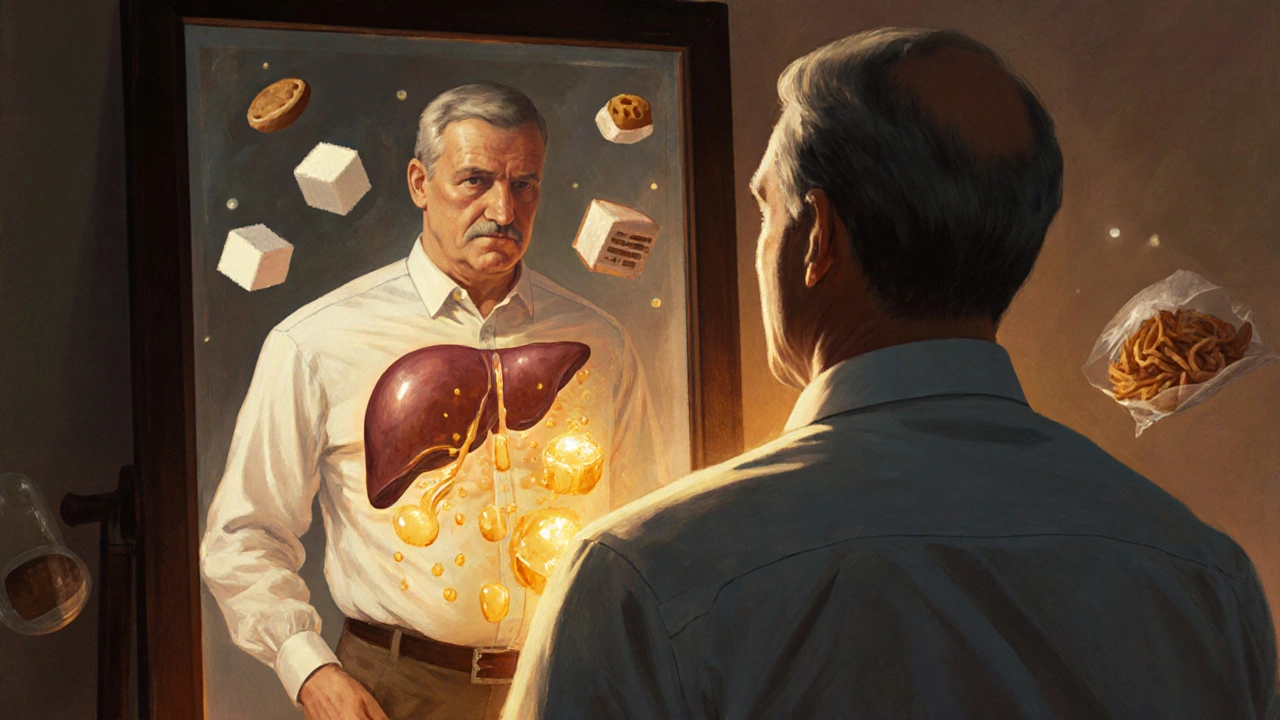
MASLD, formerly called NAFLD, affects 1 in 4 adults worldwide and is often silent until it's advanced. Learn the real risks, who's most vulnerable, and how simple lifestyle changes can reverse it before it's too late.