
When your skin reacts to a medicine, it’s not just a nuisance—it can be a warning sign. A skin reaction, an abnormal response of the skin to a drug or chemical. Also known as drug-induced rash, it can range from a mild itch to life-threatening blistering. These reactions happen because your immune system sees the drug as a threat, even if it’s something you’ve taken before without issue.
Some medication side effects, unintended physical responses to a drug show up on the skin before anything else. Common triggers include antibiotics like penicillin, NSAIDs like ibuprofen, and seizure meds like lamotrigine. In fact, drug allergy, an immune system overreaction to a medication is one of the top reasons people stop taking their pills. And if you’re on multiple drugs—say, for diabetes, high blood pressure, or after a transplant—the risk goes up. Skin reactions aren’t random; they’re tied to how your body breaks down the drug and what other meds you’re taking.
You can’t always predict a allergic skin response, a specific type of skin reaction caused by the immune system. But you can recognize the red flags: a spreading red rash, blisters, peeling skin, swelling of the face or throat, or fever along with the rash. These aren’t just "bad acne"—they could be Stevens-Johnson syndrome or toxic epidermal necrolysis, both medical emergencies. Even if it’s just a mild itch, don’t ignore it. Many people keep taking the drug, thinking it’ll go away. It might. But it might also get worse. If you’ve had a skin reaction to one drug, you’re more likely to react to others in the same class.
The good news? Not every red spot means you’re allergic. Some reactions are just irritations, not immune responses. Others are caused by sun exposure combined with the drug, like with certain antibiotics or diuretics. That’s why knowing your meds and how they interact with your body matters. The posts below break down real cases: how lamotrigine can cause dangerous rashes, why certain antibiotics trigger skin issues in people on blood thinners, and how steroid eye drops like loteprednol avoid systemic reactions. You’ll also find practical advice on what to do when your skin changes after starting a new pill—when to call your doctor, what to track, and how to avoid repeating the same mistake with another drug.
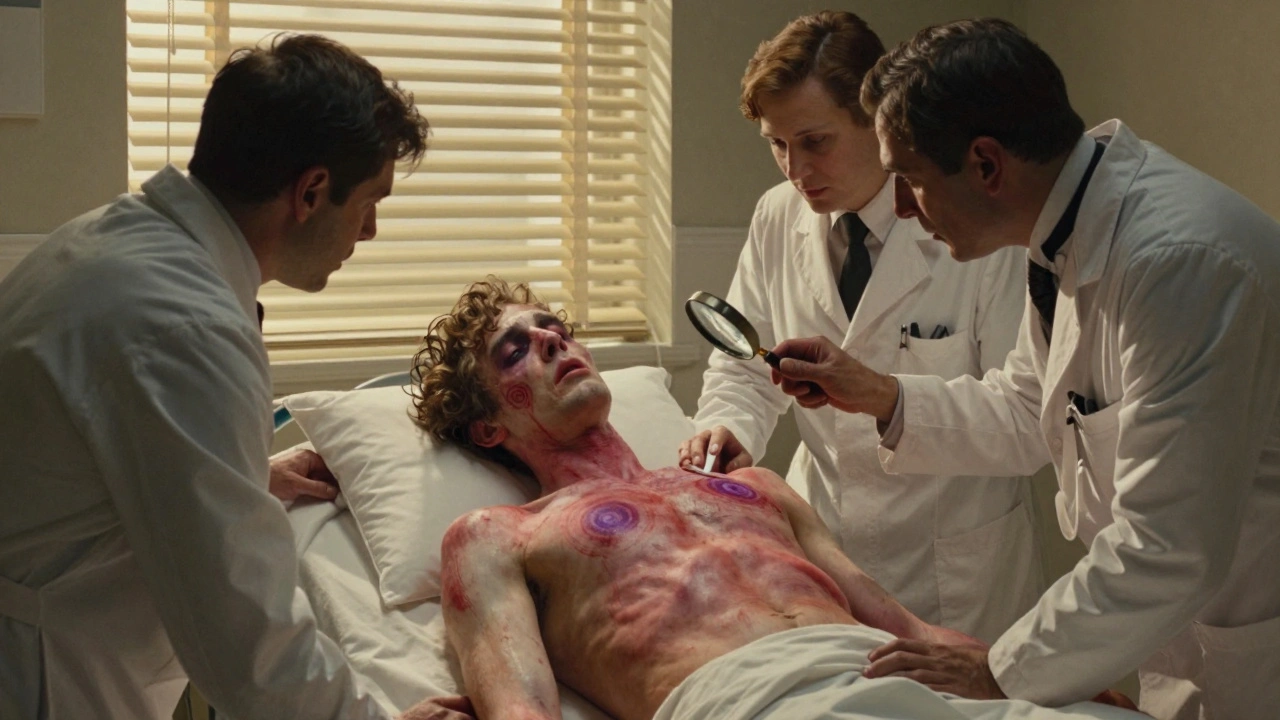
Stevens-Johnson Syndrome and Toxic Epidermal Necrolysis are rare but deadly drug reactions that cause skin and mucous membrane damage. Learn the signs, causes, treatments, and how genetic testing can prevent them.