
When your body reacts badly to a medicine, it doesn’t always mean a rash or upset stomach. Sometimes, it’s something far more serious — like Stevens-Johnson Syndrome, a rare, life-threatening skin condition triggered by medications or infections. Also known as SJS, it starts with flu-like symptoms and quickly turns into painful blisters and peeling skin that can cover large parts of your body. This isn’t just a bad reaction — it’s a medical emergency that often requires hospitalization and can lead to permanent damage or death if not caught early.
Medication side effects, unintended harmful responses to drugs are behind most SJS cases. Antibiotics like sulfonamides, anticonvulsants like carbamazepine and lamotrigine, and painkillers like ibuprofen and naproxen are the usual suspects. It’s not about taking too much — even a normal dose can trigger it in people with certain genetic risks. If you’ve had a severe skin reaction to a drug before, you’re at higher risk if you take it again. The same goes for family members — if someone in your family had SJS from a specific medicine, you might also be vulnerable.
Adverse drug reactions, harmful responses to medications that aren’t expected or intended like SJS are rare, but they’re not random. They’re linked to your genes, your immune system, and the timing of when you start a new drug. Most cases happen within the first 4 to 28 days of taking the medicine. That’s why doctors warn you to watch for early signs: fever, sore throat, burning eyes, or a red, blistering rash that spreads fast. If you notice any of these while on a new drug, stop taking it and get help immediately.
You won’t find SJS listed as a common side effect on most pill bottles — it’s too rare. But that doesn’t mean it’s not real. In fact, studies show that up to 90% of SJS cases are caused by drugs, not viruses or other triggers. And while some people recover fully, others lose skin, eyesight, or even organs. That’s why knowing your triggers matters more than ever — especially if you’re on long-term meds for epilepsy, mental health, or chronic pain.
The posts below don’t just talk about how to take your pills — they show you how to spot when your body is fighting back. From drug interactions that can turn dangerous to how to read labels that might save your life, this collection gives you the tools to stay safe. You’ll learn which medications are most likely to cause serious reactions, how to track symptoms before they escalate, and what to do if your skin starts acting up after a new prescription. This isn’t about fear — it’s about awareness. And awareness can be the difference between a bad day and a life-changing event.
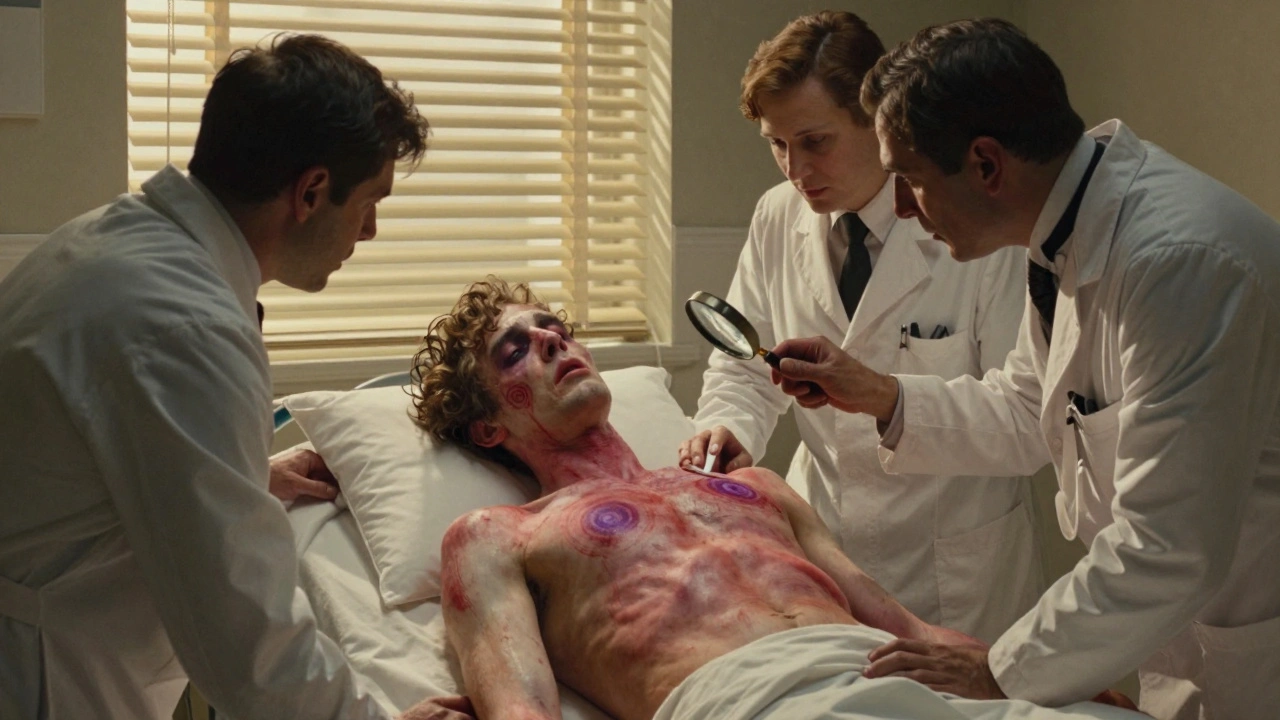
Stevens-Johnson Syndrome and Toxic Epidermal Necrolysis are rare but deadly drug reactions that cause skin and mucous membrane damage. Learn the signs, causes, treatments, and how genetic testing can prevent them.