
When your skin starts to peel off like a sunburn gone wild, it’s not just a bad reaction—it could be Toxic Epidermal Necrolysis, a rare, life-threatening skin condition where large areas of the epidermis detach from the body. Also known as Lyell's syndrome, it’s one of the most severe forms of drug-induced skin damage, often mistaken for a bad allergy at first. This isn’t a rash you can treat with cream. It’s a medical emergency that needs hospital care—and sometimes, it’s caused by something as simple as a common painkiller or antibiotic you took days ago.
Most cases of Toxic Epidermal Necrolysis are triggered by medications. Sulfonamides, a class of antibiotics often used for urinary infections, are among the top culprits. So are anticonvulsants, like lamotrigine and carbamazepine, used for seizures and mood disorders. Even allopurinol, a drug for gout, has been linked to this condition. The reaction usually starts 1 to 4 weeks after you begin the drug. Early signs? Fever, flu-like symptoms, then painful red or purple skin patches that blister and peel. If you notice your skin coming off in sheets, especially around your mouth, eyes, or genitals, get to an ER immediately.
What makes this even more dangerous is that doctors don’t always connect the dots. A patient might take a new medication, feel a little off, and assume it’s just a virus. But Toxic Epidermal Necrolysis doesn’t wait. It can kill within days if not treated. Stopping the drug right away is the first step—and that’s why knowing which medications carry this risk matters. It’s not about avoiding all drugs, but understanding which ones can turn deadly in rare cases. People with certain genetic markers, like HLA-B*15:02, are at higher risk, especially in Asian populations. That’s why some doctors test for these genes before prescribing certain drugs.
You won’t find Toxic Epidermal Necrolysis in every drug pamphlet. It’s too rare. But if you’ve had a serious skin reaction before—like Stevens-Johnson Syndrome, which is its milder cousin—you’re at higher risk for it happening again. That’s why knowing your history matters. And if you’re on long-term meds for epilepsy, gout, or mental health, pay attention to your skin. A few days of discomfort could be the warning sign before everything changes.
Below are real, practical posts that help you understand how medications interact with your body—when they help, when they harm, and how to spot trouble before it’s too late. You’ll find guides on drug reactions, how to read labels for hidden risks, and what to do if a medication starts to feel wrong. This isn’t theoretical. These are the tools people use to stay safe when taking pills every day.
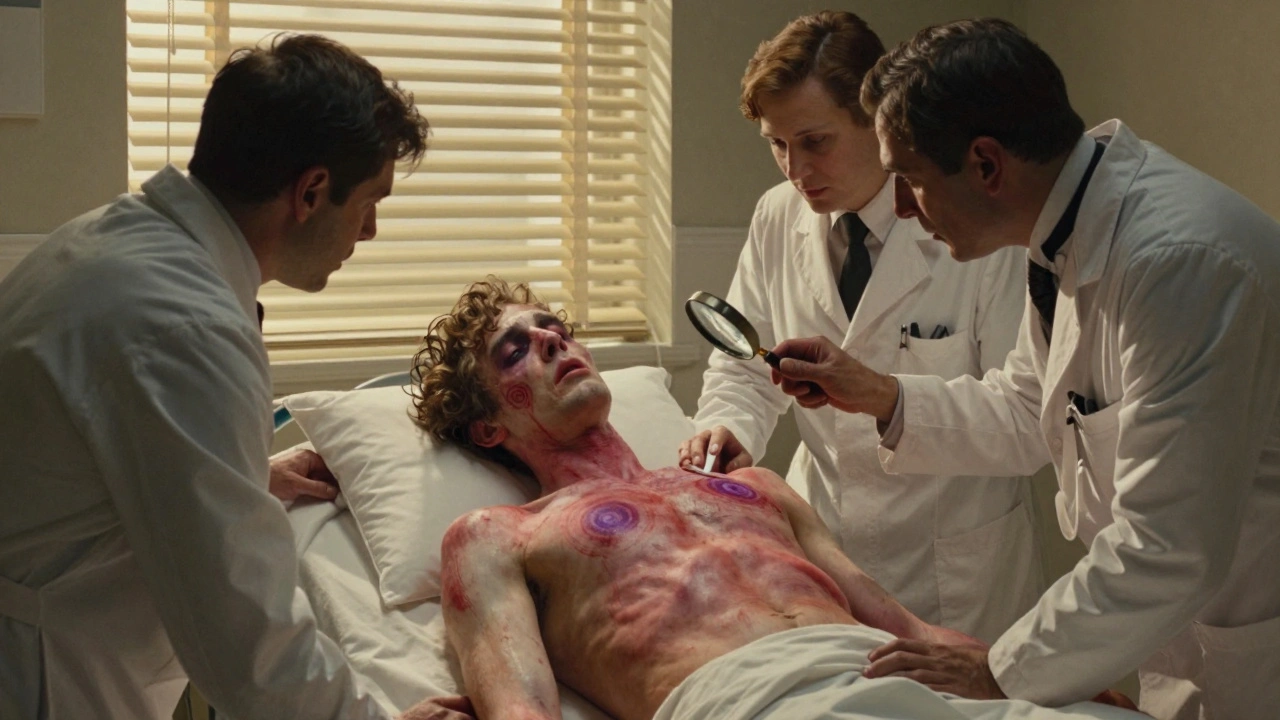
Stevens-Johnson Syndrome and Toxic Epidermal Necrolysis are rare but deadly drug reactions that cause skin and mucous membrane damage. Learn the signs, causes, treatments, and how genetic testing can prevent them.