Imagine you’re at the pharmacy counter. You hand over a prescription for a specific brand-name medication, but the pharmacist hands you back a box with a different logo and a much lower price tag. Did they just make a mistake? Or did they follow the law? This scenario plays out millions of times across the United States every day. It’s not an error; it’s pharmacy substitution, governed by complex state-specific regulations known as drug product selection laws.
If you’ve ever wondered why your medication looks different from one pharmacy visit to the next, or why your doctor sometimes insists on a specific brand despite high costs, you’re dealing with these laws. They determine when a pharmacist can swap a prescribed brand-name drug for a cheaper generic or biosimilar alternative. Understanding these rules isn’t just about saving money-it’s about ensuring your safety and maintaining consistent treatment outcomes.
The Core Concept: What Are Drug Product Selection Laws?
At their heart, drug product selection laws are state-level regulations that dictate whether a pharmacist can substitute a generic drug for a brand-name one without asking the prescriber first. These laws emerged in the 1970s as states realized that prohibiting substitutions was driving up healthcare costs unnecessarily. Today, all 50 U.S. states and Washington, DC, have some form of these laws, but they vary wildly in how strict or lenient they are.
The primary goal is simple: balance cost savings with patient safety. Generic drugs typically cost 80-85% less than their brand-name counterparts because companies don’t have to repeat expensive clinical trials. However, not every drug is safe to swap. For most medications, generics are therapeutically equivalent-meaning they work the same way in the body. But for certain critical drugs, even tiny differences in formulation can change how well they work.
| Feature | Brand-Name Drug | Generic Drug |
|---|---|---|
| Active Ingredient | Original formula developed by manufacturer | Identical active ingredient |
| Cost | High (includes R&D recovery) | Low (80-85% less than brand) |
| Appearance | Consistent branding/logo | Varies by manufacturer |
| Regulatory Approval | Full FDA approval process | Abbreviated New Drug Application (ANDA) |
| Substitution Rights | Prescribed specifically | Can be substituted if state law allows |
The key takeaway here is that while the active ingredient must be identical, inactive ingredients (like fillers or dyes) can differ. For most people, this doesn’t matter. But for patients taking drugs with a narrow therapeutic index, it can be life-changing.
Mandatory vs. Permissive: How Strict Is Your State?
Not all states treat substitution the same way. According to research published in JAMA Internal Medicine, states fall into two main categories based on how they handle small-molecule generic drugs.
In mandatory substitution states (19 states total), pharmacists must substitute a generic if one is available, unless the prescriber explicitly forbids it. These states use "shall" language in their laws, making substitution the default action. California, New York, and Texas are examples of states with mandatory substitution policies. The result? Higher generic utilization rates and significant cost savings for both patients and insurers.
In permissive substitution states (31 states plus DC), pharmacists may substitute a generic, but they aren’t required to. They have discretion based on professional judgment or patient preference. This approach gives more flexibility but can lead to inconsistent practices, especially in large pharmacy chains operating across multiple states.
Why does this distinction matter to you? If you live in a mandatory state, you’ll almost always receive a generic unless your doctor writes "dispense as written." In a permissive state, you might get the brand name if the pharmacist decides it’s appropriate-or if you ask for it. Knowing which category your state falls into helps you predict what you’ll receive and plan accordingly.
Patient Consent and Notification: Do You Have a Say?
One of the biggest points of confusion for patients is whether they need to consent before a substitution happens. The short answer: it depends on where you live.
Only seven states plus DC require explicit patient consent before a pharmacist can substitute a generic. In these jurisdictions, the pharmacist must ask you directly if you agree to the switch. Most other states (31 plus DC) only require notification after the substitution has occurred. This means you might pick up your medication without realizing a swap happened until you read the label or notice a price difference.
Here’s the catch: 24 states don’t explicitly require pharmacists to inform patients of their right to refuse substitution. So even though you legally have the power to say no, you might not know it exists. If you’re concerned about switching manufacturers or formulations, always ask your pharmacist upfront. You can also request that your prescriber mark your prescription "dispense as written," which prevents substitution in all 50 states.
- Ask before filling: "Will you be substituting this medication?"
- Know your rights: You can refuse substitution in any state.
- Check the label: Look for the manufacturer’s name on the bottle.
- Talk to your doctor: If you prefer a specific brand, discuss why.
Being proactive ensures you stay informed and in control of your medication choices.

Narrow Therapeutic Index Drugs: When Substitution Gets Risky
Not all drugs are created equal when it comes to substitution. Some medications have a narrow therapeutic index (NTI), meaning there’s a very small window between an effective dose and a toxic one. Examples include warfarin (a blood thinner), phenytoin (an anti-seizure drug), and levothyroxine (for thyroid conditions).
For NTI drugs, even minor variations in inactive ingredients or manufacturing processes can affect how the drug behaves in your body. That’s why many states maintain negative formularies-lists of drugs that cannot be substituted without explicit prescriber approval. Kentucky, for instance, keeps a specific list of NTI drugs that are off-limits for automatic substitution.
A 2018 study in the Journal of Managed Care & Specialty Pharmacy found that states with restrictions on NTI drug substitutions saw 18% fewer adverse events. This highlights a crucial point: while generic substitution saves money overall, it shouldn’t compromise safety for high-risk medications.
If you take an NTI drug, talk to your doctor and pharmacist about consistency. Some patients choose to stick with one manufacturer to avoid variability. Others rely on close monitoring through regular blood tests. Either way, communication is key.
Biosimilars and Interchangeability: The Next Frontier
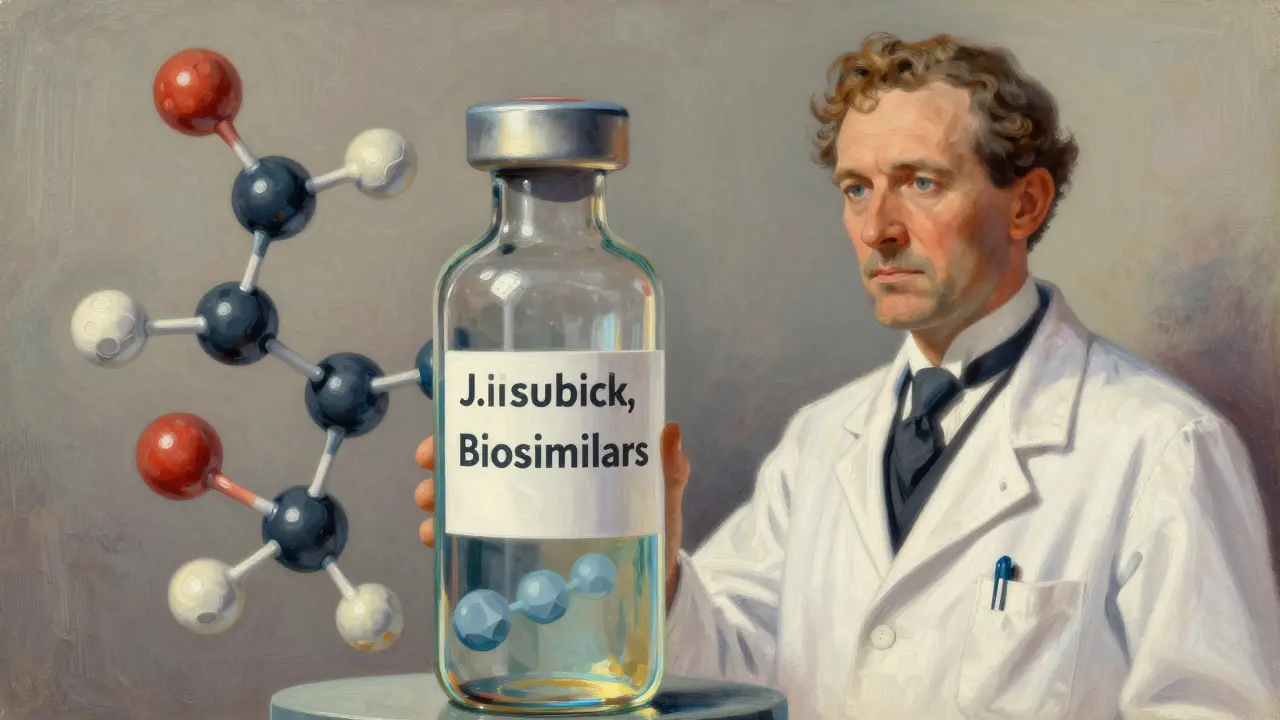
While small-molecule generics have been around for decades, biologics present a newer, more complex challenge. Biologics are large, complex molecules made from living organisms, unlike traditional drugs synthesized chemically. Because of their complexity, exact copies (generics) aren’t possible. Instead, we have biosimilars, which are highly similar to the original biologic but not identical.
The FDA uses two designations for biosimilars: "biosimilar" and "interchangeable." Only interchangeable biosimilars can be substituted automatically in most states. As of late 2023, only 10 biosimilars had received interchangeable status, limiting substitution opportunities significantly.
State laws for biosimilar substitution are stricter than for generics. Forty-five states (90%) impose additional requirements, such as mandatory physician notification within 24-72 hours after substitution. Twelve states require prior authorization from the prescriber before any substitution occurs. And 15 states prohibit substitution entirely if the biosimilar costs more than the reference product-a rule designed to prevent unexpected bills for patients.
This complexity creates headaches for pharmacy chains operating across state lines. Dr. Aaron Kesselheim, a professor at Harvard Medical School, notes that the variation in state laws leads to confusion and inconsistent practices. For patients, it means understanding that biosimilar substitution isn’t as straightforward as generic substitution-and may involve more steps.
| Aspect | Small-Molecule Generics | Biosimilars |
|---|---|---|
| Substitution Default | Mandatory or permissive depending on state | Often requires extra steps (notification/authorization) |
| FDA Designation | Therapeutic equivalence | Biosimilar or interchangeable |
| Physician Notification | Rarely required | Required in 37 states |
| Cost Constraint | No general restriction | Prohibited if costlier in 15 states |
| Patient Consent | Required in 7 states + DC | Varies widely by state |
If you’re prescribed a biologic, ask your pharmacist whether the substitution involves an interchangeable product and what notifications will occur. Staying informed helps you manage expectations and ensure continuity of care.
Practical Steps: How to Protect Yourself
Navigating pharmacy substitution laws doesn’t have to be overwhelming. Here’s a practical checklist to help you stay in control:
- Know your state’s rules: Visit your state board of pharmacy’s website or use resources like Cardinal Health’s interactive map to understand local substitution policies.
- Communicate with your prescriber: If you prefer a specific brand or manufacturer, let your doctor know. They can write "dispense as written" on your prescription.
- Ask questions at the pharmacy: Don’t hesitate to ask if a substitution occurred, who the manufacturer is, and whether alternatives exist.
- Monitor your response: If you start feeling different after a substitution, contact your healthcare provider immediately. Keep track of any changes in symptoms or side effects.
- Review your insurance plan: Some plans incentivize generics with lower copays, while others may cover brands better. Understand your coverage to make informed decisions.
Remember, you’re the ultimate decision-maker in your healthcare journey. Pharmacists and doctors are partners, but your voice matters most.
The Bigger Picture: Why These Laws Matter
Pharmacy substitution laws aren’t just bureaucratic hurdles-they’re essential tools for balancing affordability and safety. Generic drugs account for 90% of prescriptions dispensed in the U.S., yet they represent only 23% of total drug spending. That’s $313 billion in annual savings, according to the Association for Accessible Medicines. Without substitution laws, many patients would struggle to afford their medications.
But the system isn’t perfect. Critics argue that insufficient patient notification in some states undermines informed consent. Others worry about the lack of liability protection for pharmacists in nearly half of all states, potentially exposing them to malpractice claims despite following protocols. And as biosimilars become more common, the regulatory landscape will continue evolving, requiring ongoing education and adaptation.
Looking ahead, trends suggest increasing standardization. The National Association of Boards of Pharmacy has developed model legislation that 22 states have partially adopted since 2020, focusing on consistent notification timelines and documentation requirements. With projections indicating biosimilars could capture 70% of the $119 billion biologics market by 2030, streamlining substitution laws will be crucial for maximizing access and affordability.
For now, the best strategy is staying informed. By understanding your state’s laws, communicating openly with your healthcare team, and advocating for yourself, you can navigate pharmacy substitution confidently and safely.
What is pharmacy substitution?
Pharmacy substitution is the practice of replacing a prescribed brand-name medication with a generic or biosimilar alternative, as permitted by state laws. It aims to reduce costs while maintaining therapeutic effectiveness.
Can I refuse a generic substitution?
Yes, you can refuse substitution in all 50 states and Washington, DC. However, only 7 states plus DC require pharmacists to obtain explicit consent beforehand. In other states, you must proactively request the brand-name drug or ask your prescriber to write "dispense as written."
Are generic drugs as safe as brand-name drugs?
For most medications, yes. Generics contain the same active ingredient and meet FDA standards for strength, quality, and performance. However, for drugs with a narrow therapeutic index (like warfarin or phenytoin), minor formulation differences can impact efficacy, so caution is advised.
What is the difference between a biosimilar and an interchangeable biosimilar?
A biosimilar is highly similar to an approved biologic reference product, with no clinically meaningful differences. An interchangeable biosimilar meets additional FDA criteria demonstrating it can be expected to produce the same clinical result in any given patient, allowing automatic substitution in many states.
How do I find out my state's substitution laws?
Visit your state board of pharmacy’s official website or consult resources like Cardinal Health’s interactive map. You can also ask your pharmacist directly about local substitution policies and patient rights.
Why do some states require physician notification for biosimilar substitution?
Biologics are complex molecules, and switching products can carry higher risks than swapping small-molecule generics. Physician notification ensures the prescriber is aware of the change and can monitor the patient closely for any adverse reactions or therapeutic issues.
What should I do if I experience side effects after a substitution?
Contact your healthcare provider immediately. Document any new symptoms, note the manufacturer of the substituted drug, and discuss whether reverting to the original product or trying a different manufacturer might help. Never stop taking prescribed medication without consulting your doctor.
Do insurance companies influence substitution decisions?
Yes, insurance plans often incentivize generic use through lower copays or prior authorization requirements for brand-name drugs. Some plans may also have preferred networks or formularies that guide substitution choices, impacting both cost and availability.