
Skipping a pill might seem harmless - until it isn’t
You missed your blood pressure pill yesterday. You felt fine. So you figured, it’s just one dose. But that one missed dose could be the difference between staying out of the hospital and winding up in the ER. Medications aren’t like vitamins you can take when you remember. They’re precision tools. Your body depends on them to keep critical systems running - and skipping doses throws everything off balance.
When you take a prescription medication, your doctor and pharmacist calculated the exact amount and timing based on how your body absorbs, uses, and clears that drug. That’s called pharmacokinetics. If you don’t hit those timing windows, the drug level in your blood drops below what’s needed to work - or spikes too high and causes harm. Neither outcome is safe.
Why timing matters more than you think
Some medications need to be taken at the same time every day because they work best when your blood has a steady, consistent level of the drug. Think of it like filling a bathtub with a slow drip. If you turn the water off for hours, the level drops. Turn it back on, and it takes time to refill. Your body doesn’t have time to wait.
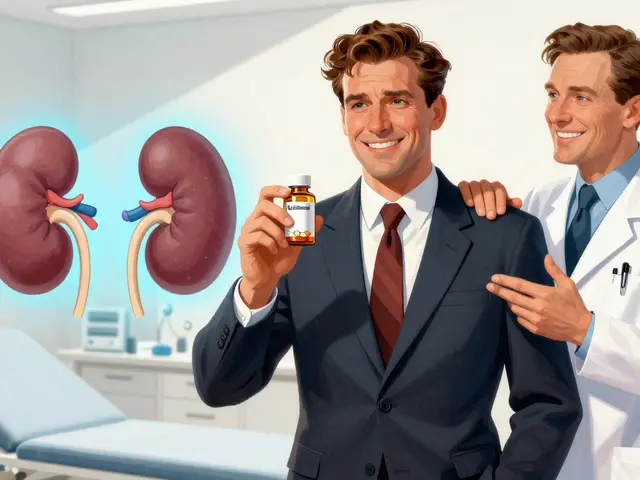
For example, if you take blood pressure medication inconsistently, your blood pressure can swing wildly. That’s dangerous. High blood pressure doesn’t always cause symptoms, but it’s silently damaging your heart, kidneys, and blood vessels every time it spikes. A 2012 study from the American Heart Association found that patients who skipped doses were significantly more likely to suffer strokes or heart attacks. It’s not speculation - it’s measurable risk.
Antibiotics are another classic case. You start feeling better after three days of a 10-day course. So you stop. But the bacteria that caused the infection? The strongest ones are still alive. They survive, multiply, and come back stronger - now resistant to the drug. That’s how antibiotic resistance starts. The CDC says skipping doses or stopping early is one of the biggest drivers of superbugs. You’re not just risking your own health - you’re risking everyone’s.
These medications are especially time-sensitive
- Warfarin (blood thinner): Even a one-day skip can increase your risk of clots or dangerous bleeding. Doctors monitor your INR levels every few weeks - but that test only shows the result of your past week’s dosing. One missed pill can throw it off.
- Insulin or diabetes pills: If you take your diabetes medicine before meals and skip a meal, you can crash your blood sugar. If you take it after eating, you might spike. Timing isn’t just about convenience - it’s about survival.
- Immunosuppressants after a transplant: Missing even one dose can trigger your body to attack the new organ. Organ rejection doesn’t always show symptoms until it’s too late.
- Seizure medications: Skipping doses increases seizure risk dramatically. For some patients, it’s the difference between staying safe at home and ending up in the ER.
These aren’t "nice to have" drugs. They’re life-sustaining. And the clock doesn’t pause just because you’re busy, tired, or feeling fine.

Why people skip - and what really happens
People skip doses for real reasons: they forget. They’re overwhelmed by too many pills. They’re scared of side effects. They think, "I don’t feel sick, so why take it?" Or, worse - they can’t afford to refill.
But here’s what happens next:
- High blood pressure returns, silently damaging arteries.
- Diabetes gets harder to control, leading to nerve damage or kidney failure.
- Infections come back - harder to treat, longer to heal.
- Heart failure worsens, requiring hospitalization.
According to research published in the Annals of Pharmacotherapy, medication non-adherence contributes to about 125,000 deaths in the U.S. every year. That’s more than traffic accidents. And most of those deaths are preventable.
It’s not laziness. It’s not ignorance. It’s often a system failure. Patients leave the doctor’s office confused. Prescriptions are complex. Labels are hard to read. Pills look alike. And no one checks if they understood.
How to actually stick to your schedule
Here’s what works - not theory, but real strategies used by patients who got their adherence back on track.
- Use a pill organizer. A simple weekly box with morning, afternoon, evening, and night compartments cuts confusion. Fill it once a week. If the compartment is empty, you missed it.
- Set phone alarms. Name them clearly: "Take Lisinopril - Blood Pressure" or "Take Metformin - With Breakfast." Don’t just say "Meds." Be specific.
- Pair meds with habits. Brush your teeth? Take your pill right after. Drink your morning coffee? Take your pill with it. Your brain links routines - not alarms.
- Ask your pharmacist to simplify. If you’re taking five pills three times a day, ask if any can be switched to once-daily versions. Every extra dose cuts adherence by about 16%, according to a 2002 study in the Annals of Internal Medicine.
- Use the "teach-back" method. When your doctor gives you instructions, say: "Let me repeat this so I’m sure I got it." If you can’t explain when and why to take it, you won’t remember.
Some pharmacies - like those in the UK’s NHS system - offer free pill organizers and home delivery for chronic meds. Ask. Don’t assume you’re on your own.

What to do if you miss a dose
Don’t panic. But don’t guess either.
For most medications:
- If you miss a dose and remember within a few hours - take it right away.
- If it’s almost time for your next dose - skip the missed one. Don’t double up.
- For blood thinners, insulin, or seizure meds - call your doctor or pharmacist immediately. These aren’t safe to guess on.
Keep a small log: write down when you missed a dose. Patterns matter. If you keep forgetting at night, maybe your alarm is too quiet. If you skip when you’re out, maybe you need a travel pill case.
Your body doesn’t lie - and neither should you
Medication timing isn’t about being perfect. It’s about being consistent. Your body doesn’t care if you had a busy day, forgot your pillbox, or thought you were "feeling better." It only knows whether the right amount of drug was in your blood at the right time.
Skipping doses might feel small. But the consequences aren’t. Every missed pill adds up - to higher risk, longer recovery, more hospital visits, and sometimes, irreversible damage.
You’re not just taking a pill. You’re managing your health. And that’s worth showing up for - every single day.
What happens if I skip a dose of my blood pressure medication?
Skipping even one dose can cause your blood pressure to spike unpredictably. Over time, this increases your risk of stroke, heart attack, or kidney damage - even if you don’t feel symptoms. Blood pressure medications work best when taken at the same time daily to keep levels steady. Missing doses makes your body work harder and puts extra strain on your heart.
Can I stop taking antibiotics when I feel better?
No. Stopping early leaves behind the strongest bacteria, which then multiply and become resistant to the drug. This doesn’t just affect you - it contributes to antibiotic resistance, making infections harder to treat for everyone. Always finish the full course, even if symptoms disappear.
Why do some pills need to be taken with food and others on an empty stomach?
Food can change how your body absorbs the drug. Some medications need an empty stomach so they’re absorbed quickly and fully. Others require food to reduce stomach upset or to help the body process them correctly. Always follow the label - "take with food" or "take on empty stomach" isn’t a suggestion. It’s part of how the drug works.
I’m on five different medications. How do I keep track?
Ask your pharmacist for a medication review. They can check for duplicates, suggest combination pills, or switch to once-daily versions. Use a weekly pill organizer with compartments for morning, afternoon, evening, and night. Set phone alarms with clear names. Keep a printed list of all your meds, doses, and times - and bring it to every appointment.
Is it safe to double up if I miss a dose?
Never double up unless your doctor or pharmacist says it’s safe. For most medications, doubling can cause dangerous side effects - especially with blood thinners, diabetes drugs, or heart medications. If you miss a dose, take it if you remember within a few hours. If it’s close to your next dose, skip it. Never guess - call your provider.
Can my pharmacist help me remember to take my meds?
Yes. Many pharmacies offer free medication management services, including pill organizers, reminder calls or texts, and reviews of your entire medication list. Pharmacists are trained to spot timing conflicts, side effects, and adherence issues. Don’t wait until you’re in trouble - ask them for help now.
What to do next
Start today. Grab your pillbox. Set three alarms. Call your pharmacist and ask: "Can we simplify my regimen?" Write down your meds, times, and why you take each one. Keep that list with you.
Medication timing isn’t about discipline. It’s about protecting your body. And you don’t need to be perfect - just consistent. One pill, at the right time, every day. That’s how you stay healthy.



Ellen Sales
November 25 2025Look, I get it-life happens. You’re tired, you’re overwhelmed, you’ve got five different pills in five different colors and your brain just… shuts down. But here’s the thing: your body doesn’t care if you had a rough day. It just knows whether the drug was there-or not. Skipping isn’t a tiny slip-it’s a domino. And one domino can knock over your whole life. I’ve seen it. My mom missed her warfarin once because she thought she was ‘fine.’ One stroke later? She lost her independence. Don’t wait for the crash to wake up. Just… take the damn pill. Even if it’s late. Even if you’re mad. Even if you’re tired. Just. Take. It.