

Certain drug combinations can be deadly-even when each drug is taken as prescribed. Learn the top five lethal interactions to avoid, from opioids and alcohol to stimulants and antidepressants, and how to protect yourself.

Metformin is the first-line diabetes drug, but gastrointestinal side effects affect up to 30% of users. Lactic acidosis is rare but serious. Learn how to manage side effects, who’s at risk, and what’s changed in 2026.

Effective patient education isn't about giving information - it's about ensuring patients truly understand how to apply it in real life. Learn how to track generic understanding using simple, proven methods like teach-back, rubrics, and formative assessments.

Lab monitoring calendars help prevent dangerous side effects from medications like clozapine, lithium, and warfarin by tracking blood tests at precise intervals. Skipping tests can lead to life-threatening complications. Learn what to monitor, when, and how to stay on track.
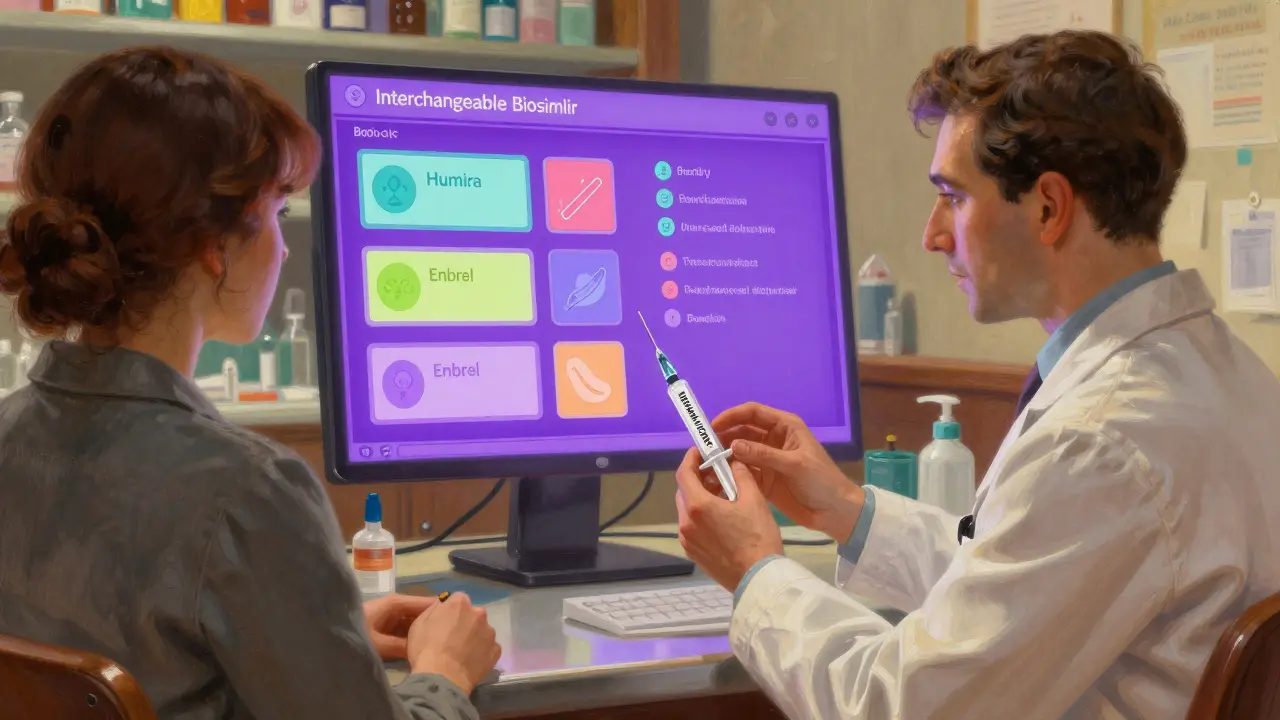
The FDA's Purple Book is the official source for tracking biosimilars and interchangeable biologics. Learn how it helps pharmacists decide which drugs can be swapped automatically-and why only a few have earned that status.
Switching from brand-name drugs to generics can save money - but not always without trade-offs. Learn what to expect, when it's safe, and when you might need to stick with the brand.

A science-backed panic attack action plan using breathing, grounding, and medication to reduce symptoms fast and prevent future episodes. Learn what works, what doesn’t, and how to build your own plan.
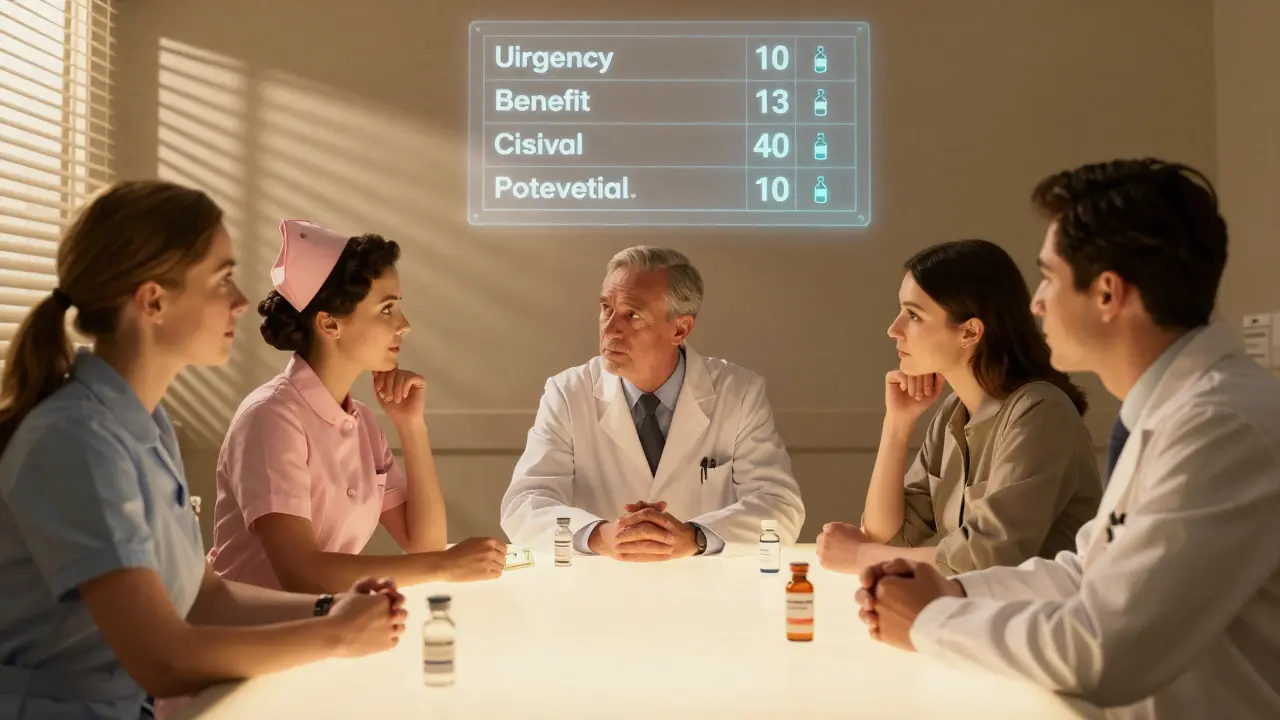
Medication rationing during drug shortages forces healthcare teams to make tough ethical choices. Learn how decisions are made, who's involved, and why transparency matters for fair, life-saving care.

Learn how to safely taper off opioids with evidence-based methods to manage withdrawal symptoms, avoid complications, and improve long-term outcomes. No rush. No risk. Just a clear, step-by-step plan.
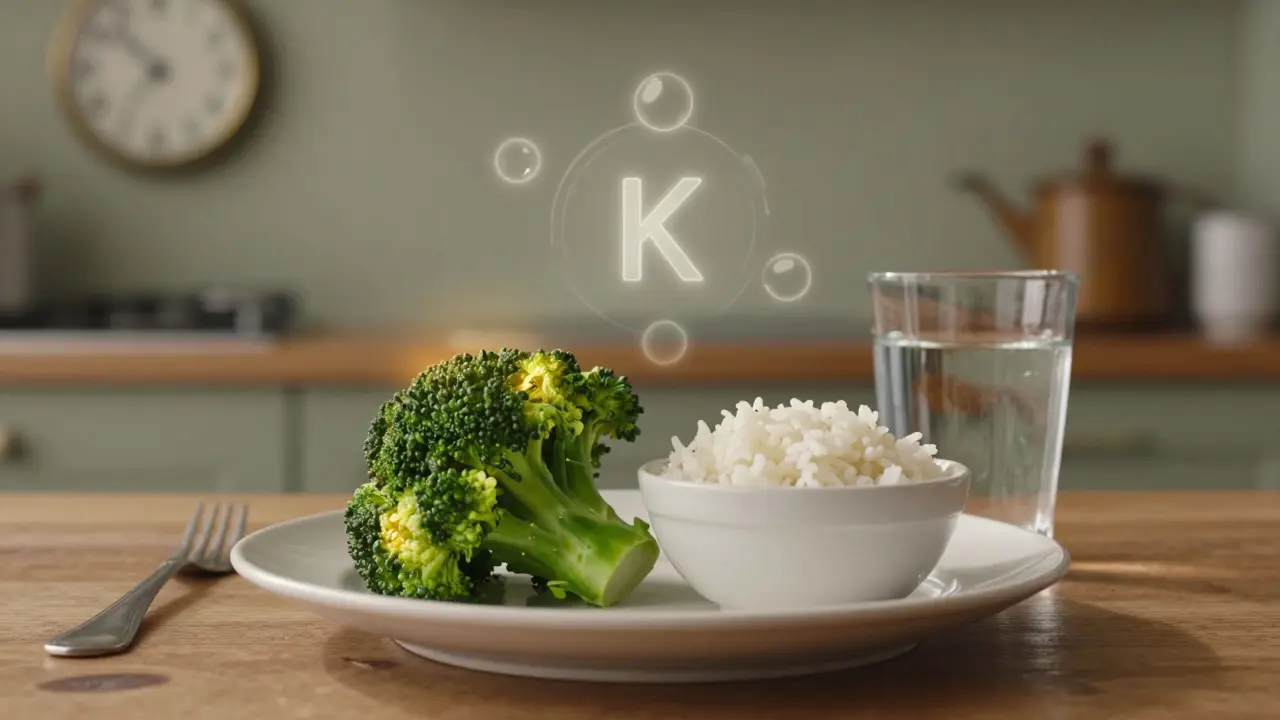
Managing vitamin K intake is critical for people on warfarin. Eating consistent amounts of high-vitamin K foods like spinach and broccoli helps keep INR levels stable, reducing the risk of dangerous clots or bleeding. This guide explains how diet affects warfarin and how to stay in range.

Learn how to set up a simple medication budget and auto-refill alerts to cut costs, avoid missed doses, and stay in control of your prescription expenses. Practical, no-fluff steps for UK residents.

Learn the seven critical questions to ask your pharmacist about medication interactions to avoid dangerous side effects, food-drug reactions, and harmful combinations with supplements or alcohol.