
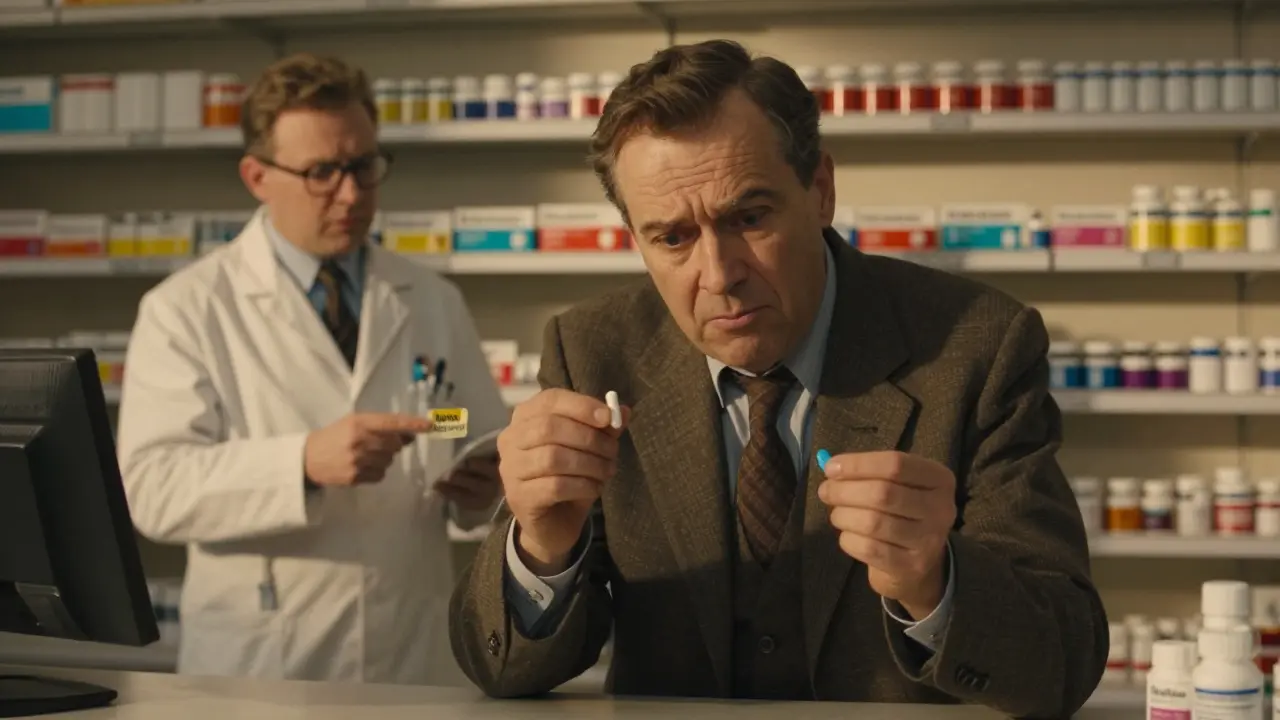
Switching from brand-name drugs to generics can save money - but not always without trade-offs. Learn what to expect, when it's safe, and when you might need to stick with the brand.
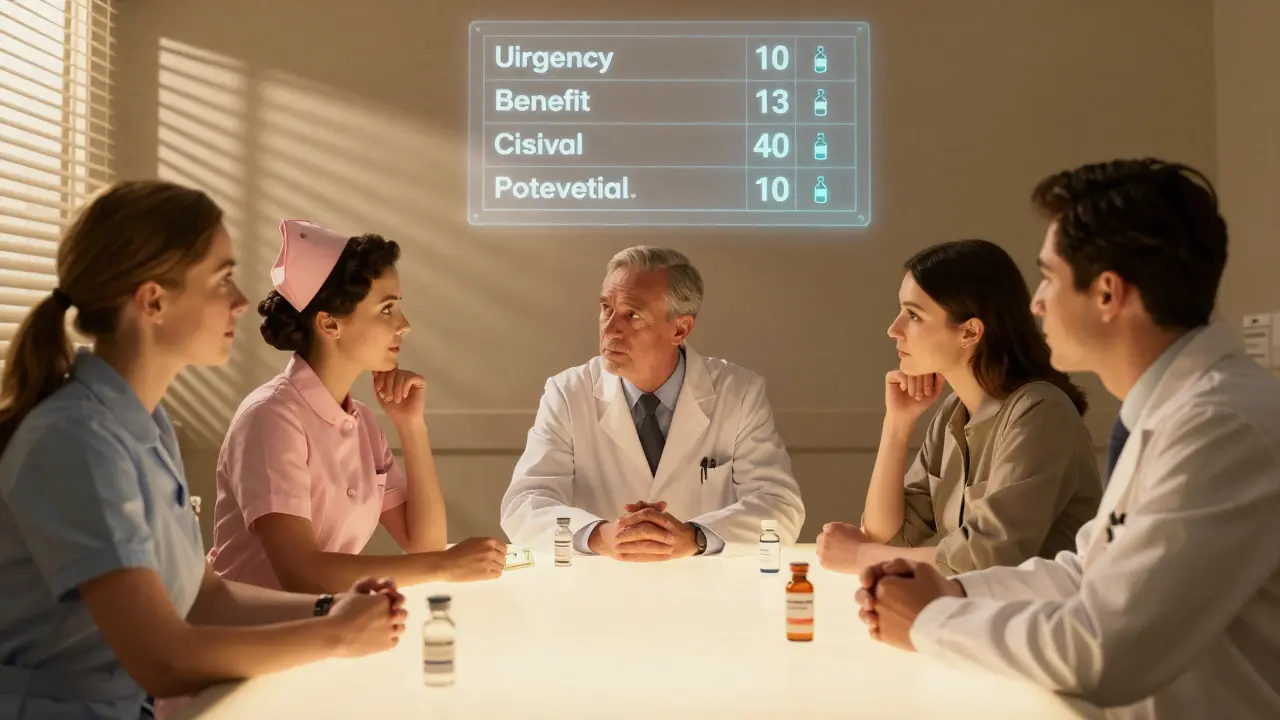
Medication rationing during drug shortages forces healthcare teams to make tough ethical choices. Learn how decisions are made, who's involved, and why transparency matters for fair, life-saving care.

Learn how to set up a simple medication budget and auto-refill alerts to cut costs, avoid missed doses, and stay in control of your prescription expenses. Practical, no-fluff steps for UK residents.
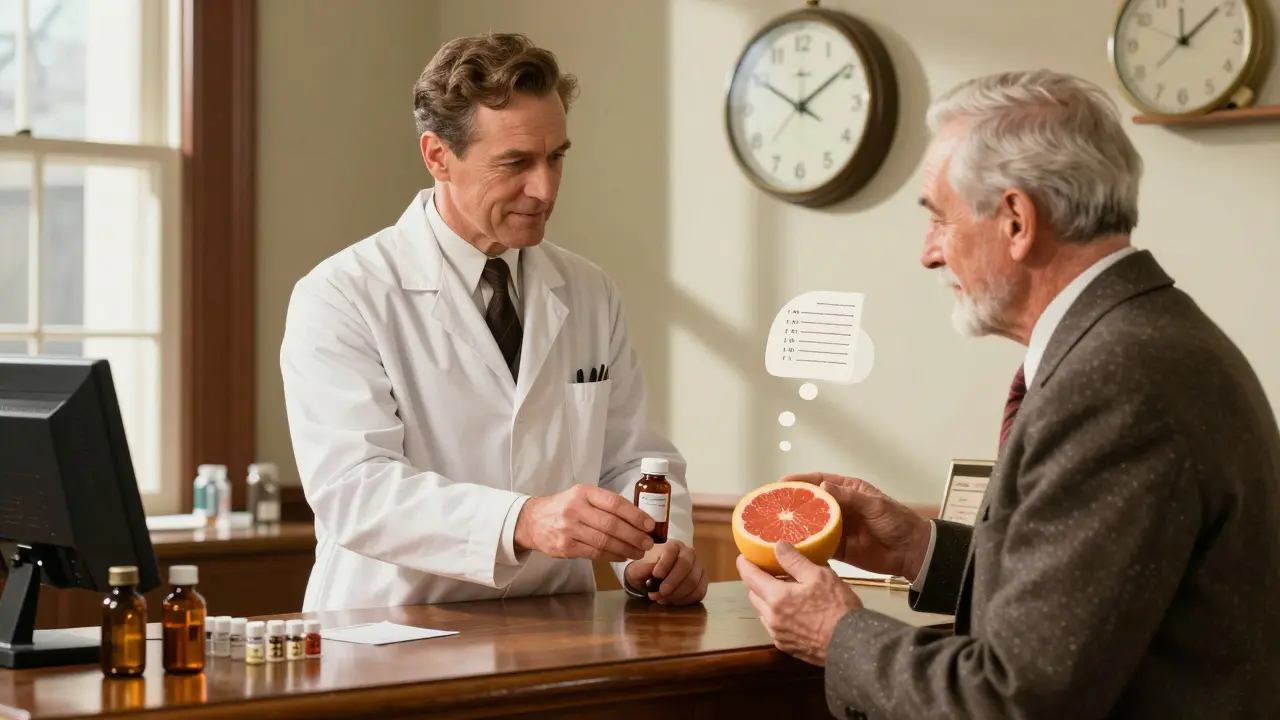
Learn the seven critical questions to ask your pharmacist about medication interactions to avoid dangerous side effects, food-drug reactions, and harmful combinations with supplements or alcohol.
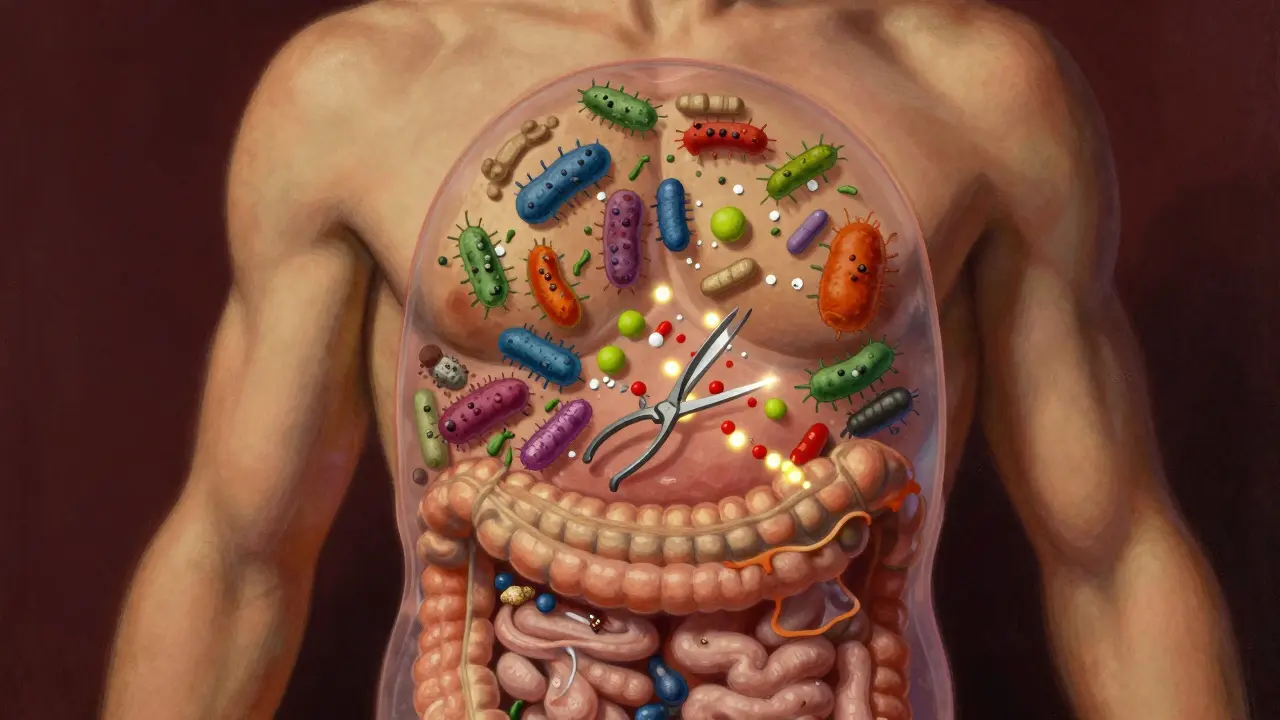
The gut microbiome transforms many common drugs, causing unexpected side effects or reducing effectiveness. Research shows bacteria can activate toxins, deactivate medications, and alter drug responses - making personalized treatment essential.
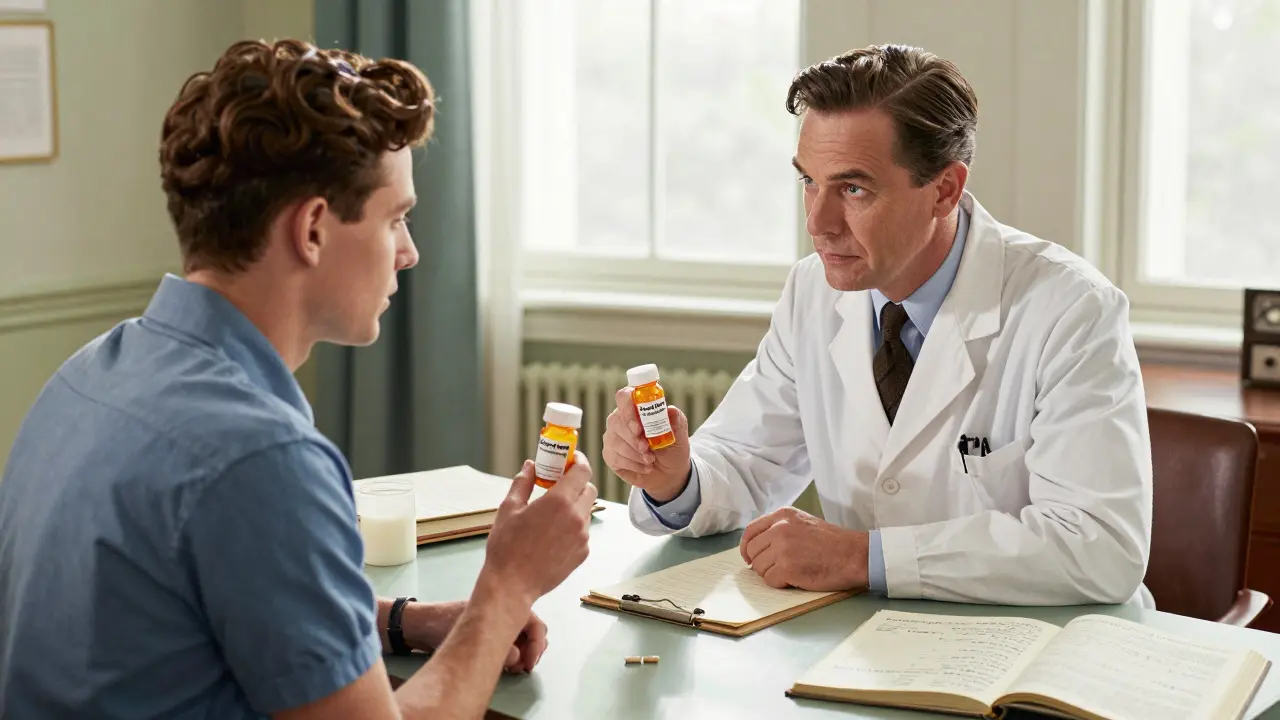
Learn how to talk to your doctor about staying on a brand-name medication when generics cause side effects or treatment failure. Get practical tips, insurance strategies, and evidence-backed advice.

Learn the FDA's official guidelines for safely disposing of expired medications. Discover which drugs can be flushed, how to use take-back programs, and the correct home disposal steps to prevent misuse and environmental harm.

The Federal Circuit Court holds exclusive authority over U.S. pharmaceutical patent cases, shaping drug pricing, generic entry, and innovation through rulings on ANDA litigation, Orange Book listings, and dosing patent validity.
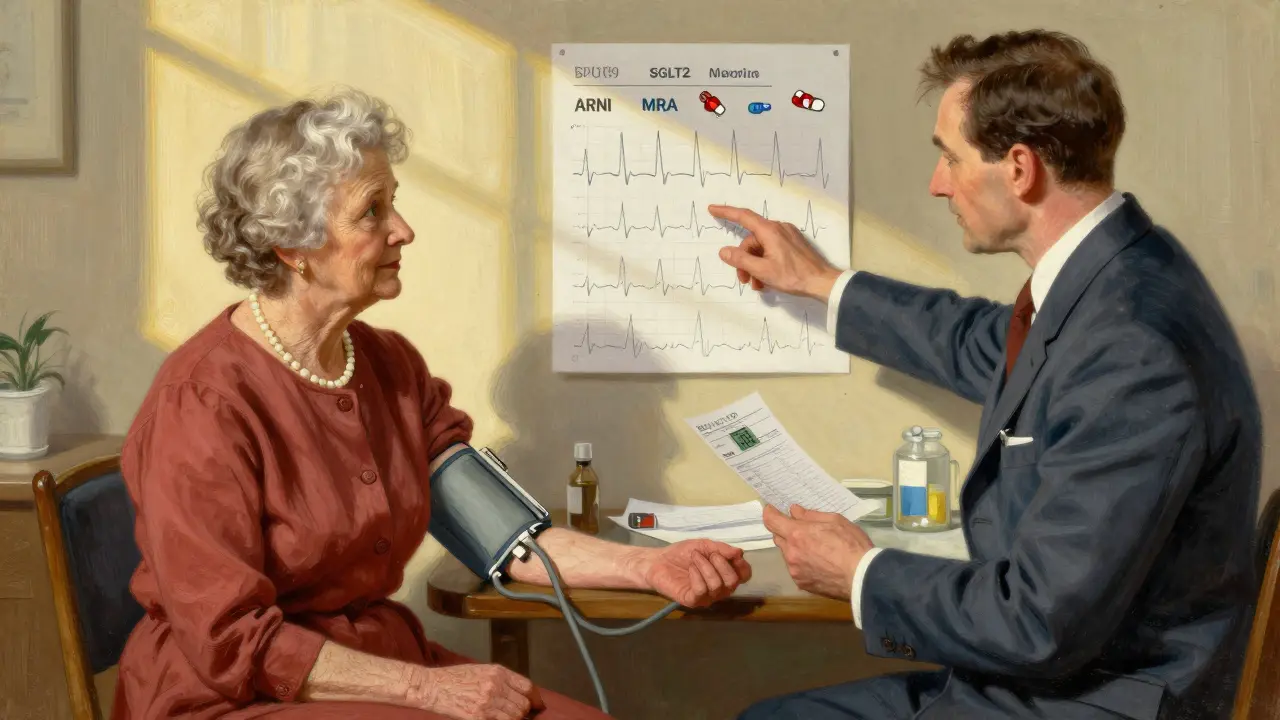
Heart failure medications like ARNIs, beta-blockers, MRAs, and SGLT2 inhibitors require careful monitoring to be safe and effective. Learn how to track potassium, blood pressure, and heart rate based on patient age, gender, and kidney function.

Active ingredients treat your condition, but inactive ingredients can affect how well your medicine works-or cause side effects. Learn why both matter for your health.
Generic drugs cost 80-85% less than brand-name drugs because they don’t repeat expensive clinical trials. They contain the same active ingredients, meet the same safety standards, and are just as effective-making them the smart, affordable choice for millions.
Clinical evidence shows generic drugs are as safe and effective as brand-name drugs for most people. Learn when generics work just as well, and when you should stick with the brand.