

Learn how to spot accurate pregnancy medication advice online using evidence-based tools like LactMed, MotherToBaby, and TIS classifications. Avoid dangerous misinformation with a simple 5-step verification system.
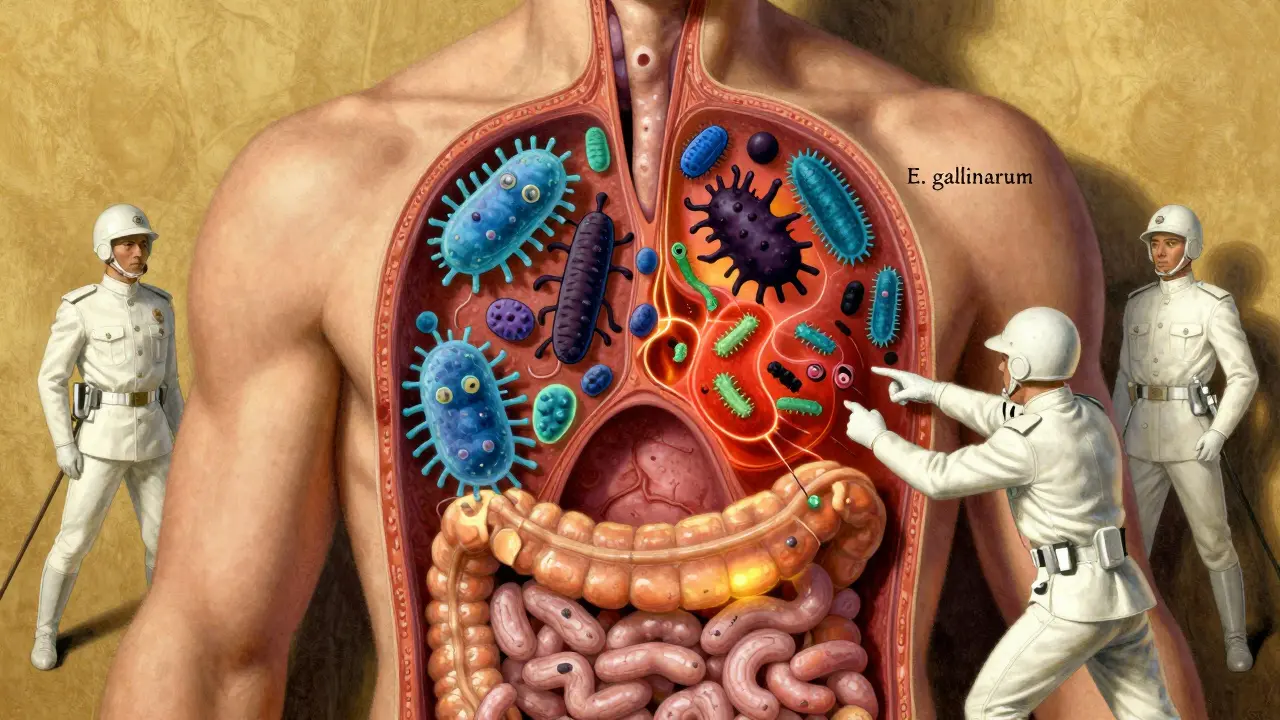
New research shows gut bacteria directly influence autoimmune diseases like lupus, MS, and rheumatoid arthritis. Discover how microbial imbalances trigger immune attacks-and what treatments are on the horizon.

Traveling with medications requires knowing TSA rules, international bans, storage needs, and refill options. Learn how to avoid confiscation, keep meds effective, and prepare for emergencies abroad.

The gut microbiome transforms many common drugs, causing unexpected side effects or reducing effectiveness. Research shows bacteria can activate toxins, deactivate medications, and alter drug responses - making personalized treatment essential.

Learn how to talk to your doctor about staying on a brand-name medication when generics cause side effects or treatment failure. Get practical tips, insurance strategies, and evidence-backed advice.

Learn science-backed strategies to manage GLP-1 medication side effects. Discover how proper meal planning and dose adjustments can reduce nausea, vomiting, and diarrhea, improving treatment adherence and outcomes.

Learn the FDA's official guidelines for safely disposing of expired medications. Discover which drugs can be flushed, how to use take-back programs, and the correct home disposal steps to prevent misuse and environmental harm.

Analgesic nephropathy is a silent kidney disease caused by long-term use of NSAIDs and acetaminophen. Learn how daily painkillers damage your kidneys, who's at risk, and what safer pain relief options actually work.

The Federal Circuit Court holds exclusive authority over U.S. pharmaceutical patent cases, shaping drug pricing, generic entry, and innovation through rulings on ANDA litigation, Orange Book listings, and dosing patent validity.

Heart failure medications like ARNIs, beta-blockers, MRAs, and SGLT2 inhibitors require careful monitoring to be safe and effective. Learn how to track potassium, blood pressure, and heart rate based on patient age, gender, and kidney function.

Sleep Restriction Therapy resets chronic insomnia by limiting time in bed to match actual sleep, building sleep pressure for deeper, more efficient rest-without drugs. Proven, durable, and backed by science.

Active ingredients treat your condition, but inactive ingredients can affect how well your medicine works-or cause side effects. Learn why both matter for your health.