

Explore the real data on metabolic surgery outcomes. Learn about weight loss percentages, diabetes remission rates for gastric bypass and sleeve gastrectomy, and how surgery compares to medical therapy for long-term health.

Learn how to identify and treat cervical strain, a common cause of neck pain. Discover the difference between strain and nerve pain, and follow a proven 3-phase recovery plan including exercises and ergonomic tips.

Explore the science of stroke rehabilitation, focusing on neuroplasticity, timing, and multidisciplinary therapies. Learn how physical, occupational, and speech therapies restore function and improve quality of life after brain injury.

Learn how to stop forgetting your meds by linking them to daily routines. Discover evidence-based habit pairing strategies to improve medication adherence and health.

Explore how generic prescribing incentives reward healthcare providers for choosing affordable medications and the impact this has on patient care and costs.

Explore the dangerous links between Obstructive Sleep Apnea, hypertension, and heart arrhythmias. Learn how OSA increases stroke and heart failure risk and how CPAP can help.

Learn how to read FDA-mandated OTC Drug Facts labels to avoid medication errors, identify active ingredients, and use nonprescription drugs safely.
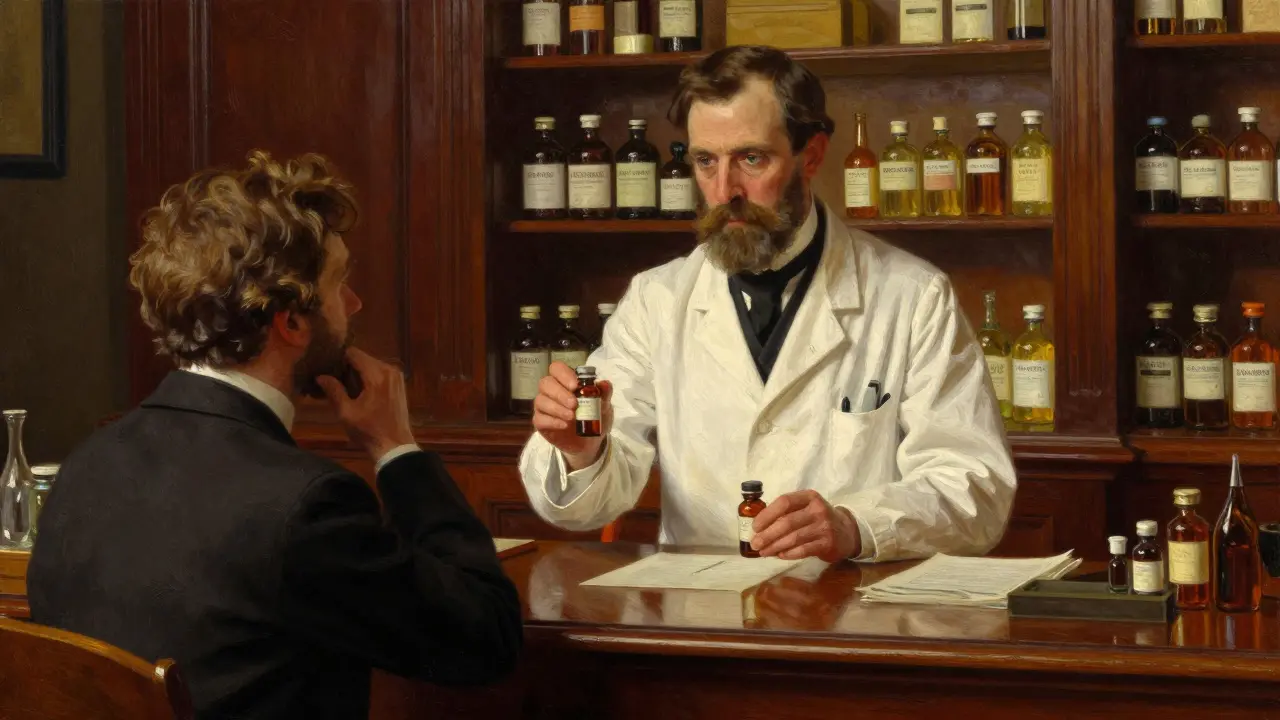
Are generic drugs just cheap imitations? Discover the science of bioequivalence, why they look different, and when you should actually stick to brand-name meds.

Learn how to accurately monitor kidney function in seniors to ensure safe medication dosing. Explore eGFR equations like BIS1 and the role of Cystatin C in geriatric care.

Discover how common medications impair driving skills and the legal risks involved. Learn which drugs are safest and practical tips to protect yourself on the road.
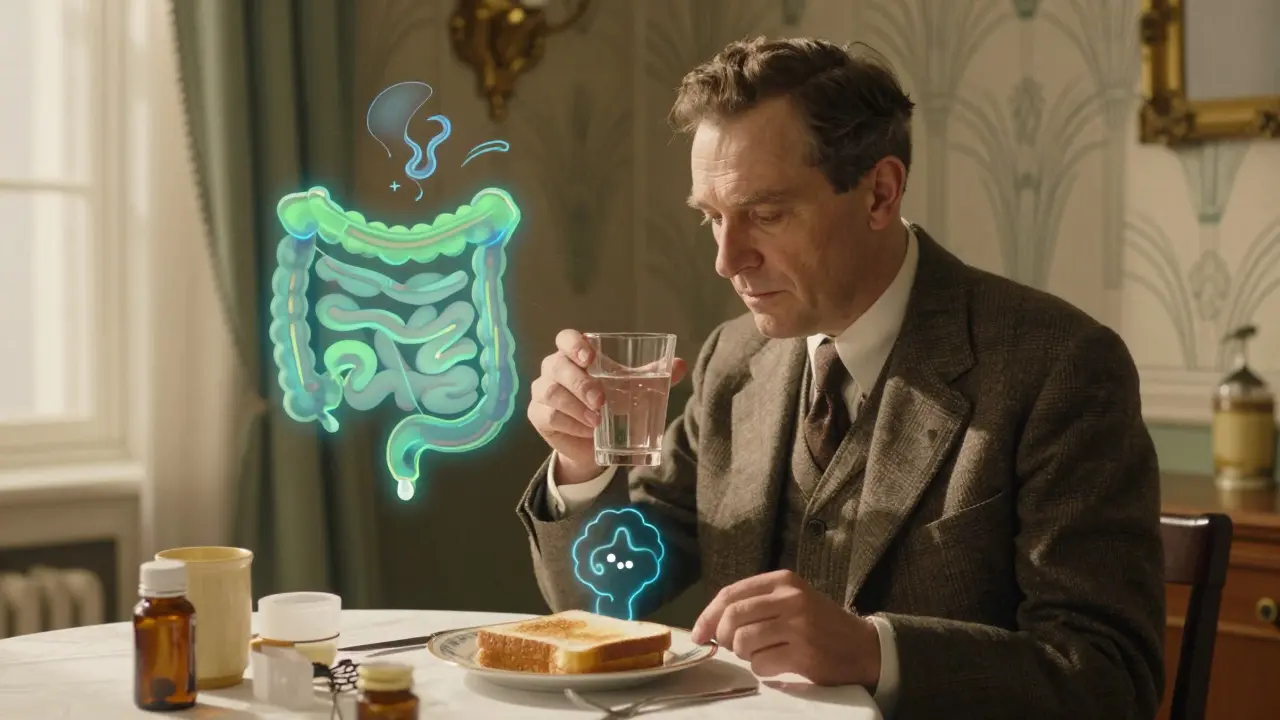
Metformin is the first-line diabetes drug, but gastrointestinal side effects affect up to 30% of users. Lactic acidosis is rare but serious. Learn how to manage side effects, who’s at risk, and what’s changed in 2026.

Effective patient education isn't about giving information - it's about ensuring patients truly understand how to apply it in real life. Learn how to track generic understanding using simple, proven methods like teach-back, rubrics, and formative assessments.